DNA vs RNA 16S Sequencing: Choosing the Right Amplicon Method for Microbiome Research and Drug Discovery
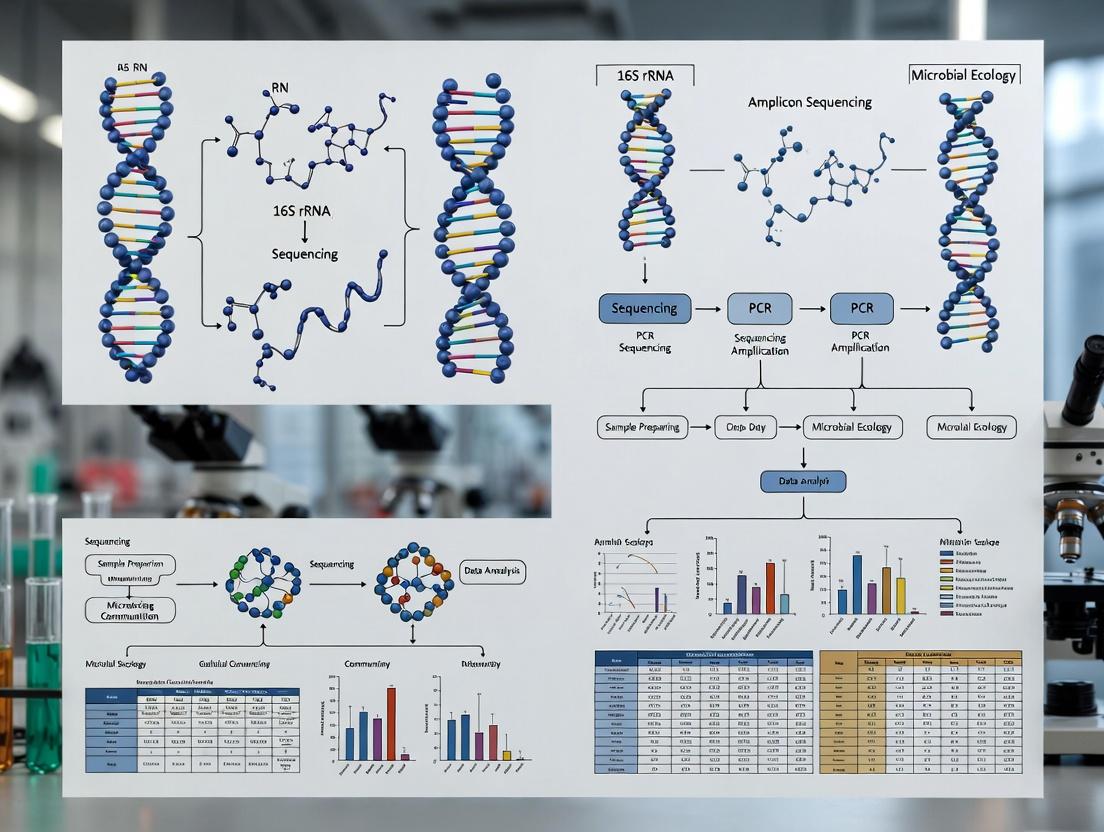
This comprehensive guide explores the critical distinction between DNA-based and RNA-based 16S ribosomal RNA (rRNA) amplicon sequencing in microbiome analysis.
DNA vs RNA 16S Sequencing: Choosing the Right Amplicon Method for Microbiome Research and Drug Discovery
Abstract
This comprehensive guide explores the critical distinction between DNA-based and RNA-based 16S ribosomal RNA (rRNA) amplicon sequencing in microbiome analysis. We detail the foundational principles, contrasting what DNA (revealing microbial presence and potential) and RNA (revealing metabolically active communities) actually measure. The article provides a methodological deep-dive into workflows, applications in host-microbiome interactions and therapeutic development, and common optimization strategies for each approach. We compare data outputs, discuss validation challenges, and synthesize key decision-making criteria for researchers and drug development professionals seeking to align their sequencing strategy with specific biological questions about microbial community structure and function.
DNA vs RNA 16S Sequencing: Understanding the Fundamental Difference Between 'Who is There' and 'Who is Active'
Application Notes
Within the thesis context of DNA vs. RNA-based 16S amplicon sequencing research, the core metaphor of DNA as a static blueprint and RNA as a dynamic transcript is critical. DNA-based 16S rRNA gene sequencing reveals the potential microbial community—the genomic blueprint of "who could be there." In contrast, sequencing the 16S rRNA transcript (via cDNA) captures the metabolically active microbiota—the dynamic expression of "who is functionally active now." This distinction is paramount in therapeutic development, where understanding active pathogen activity or probiotic function is more informative than mere genomic presence.
The following quantitative summary highlights key comparative outcomes from recent studies:
Table 1: Comparative Outcomes of DNA vs. RNA-based 16S Amplicon Sequencing
| Metric | DNA-Based (Blueprint) | RNA-Based (Dynamic Transcript) | Implication for Research |
|---|---|---|---|
| Taxonomic Richness | Typically 20-40% higher | Lower, filters dormant cells | DNA overestimates potentially active community. |
| Community Composition | Differs significantly (Bray-Curtis similarity often 0.4-0.7) | Correlates better with metabolomic/proteomic data | RNA better reflects the functioning ecosystem. |
| Response to Perturbation (e.g., Antibiotic) | Slow change, residual DNA from dead cells | Rapid, acute shifts in active populations | RNA is superior for monitoring therapeutic impact in real-time. |
| Dominant Taxa Detection | Consistent but broad | Can shift dramatically (e.g., Bacteroidetes spp.) | RNA identifies key drivers of transient states. |
| Detection of Viable but Non-Culturable (VBNC) Cells | Yes (false positive for activity) | No (only active transcription) | RNA differentiates viability, crucial for pathogen detection. |
Experimental Protocols
Protocol 1: Parallel DNA and RNA Co-Extraction from Complex Microbial Communities (e.g., Stool, Biofilm) Objective: To obtain both genomic DNA (gDNA) and total RNA from the same sample aliquot for direct comparison.
- Homogenization & Lysis: Weigh 0.2g of sample. Add to PowerBead Tubes. Add 750µL of QIAzol Lysis Reagent. Homogenize using a bead beater (6.5 m/s, 45s).
- Phase Separation: Incubate 10min at RT. Add 140µL of BCP (1-bromo-3-chloropropane), vortex vigorously, incubate 3min. Centrifuge at 12,000xg, 15min, 4°C.
- RNA Recovery: Transfer upper aqueous phase to a new tube. Add 1.5x volume of 100% ethanol. Mix. Proceed with RNeasy PowerMicrobiome Kit protocol, including on-column DNase I digestion.
- DNA & Protein Recovery: Interphase/organic phase (and pellet) contains DNA/protein. Add 300µL of 100% ethanol to this phase, mix, and centrifuge. Remove supernatant. Use the resulting pellet with the DNeasy PowerSoil Pro Kit for gDNA purification.
- QC: Assess RNA Integrity Number (RIN) >7.0 (Bioanalyzer) and DNA purity (A260/A280 ~1.8). Store at -80°C.
Protocol 2: cDNA Synthesis from 16S rRNA for Amplicon Sequencing Objective: To generate cDNA template from rRNA for PCR amplification of active community V4 regions.
- rRNA Depletion & Reverse Transcription: Use 10-100ng of total RNA. Perform rRNA depletion using a microbial-specific probe set (e.g., QIAseq FastSelect –rRNA). Convert remaining RNA to cDNA using the SuperScript IV First-Strand Synthesis System with random hexamers (50ng/µL final). Incubate: 10min at 23°C, 10min at 50°C, 10min at 80°C.
- PCR Amplification: Use 2µL of cDNA (or gDNA control) in a 25µL reaction with universal 515F/806R primers (with Illumina adapters) targeting the 16S V4 region. Use Q5 Hot Start High-Fidelity DNA Polymerase: 30 cycles. Include no-template and no-RT controls.
- Library Prep & Sequencing: Clean amplicons with AMPure XP beads. Index with Nextera XT indices. Pool libraries and sequence on Illumina MiSeq (2x250bp) or NextSeq (2x150bp) platform. Target 50,000-100,000 reads per sample.
Mandatory Visualization
Diagram Title: DNA vs RNA 16S Amplicon Sequencing Workflow
Diagram Title: Conceptual Interpretation & Research Applications
The Scientist's Toolkit: Key Research Reagent Solutions
Table 2: Essential Materials for DNA/RNA 16S Comparative Studies
| Item / Kit | Primary Function in Protocol |
|---|---|
| QIAzol Lysis Reagent | Monophasic lysis reagent for simultaneous disruption and stabilization of DNA, RNA, and protein. |
| RNeasy PowerMicrobiome Kit | Column-based purification of high-quality total RNA from complex, inhibitor-rich samples. |
| DNeasy PowerSoil Pro Kit | Industry-standard for high-yield, inhibitor-free gDNA extraction from environmental samples. |
| DNase I, RNase-free | Critical for on-column removal of contaminating gDNA during RNA purification. |
| SuperScript IV Reverse Transcriptase | High-temperature, robust enzyme for cDNA synthesis from structured RNA like rRNA. |
| Q5 Hot Start High-Fidelity DNA Polymerase | High-fidelity PCR amplification for error-sensitive amplicon sequencing. |
| Universal 16S V4 Primers (515F/806R) | Gold-standard primers for amplifying the V4 hypervariable region from both DNA and cDNA. |
| AMPure XP Beads | Magnetic bead-based purification for size selection and cleanup of amplicon libraries. |
| Illumina MiSeq Reagent Kit v3 (600-cycle) | Sequencing chemistry for paired-end 2x300bp reads, ideal for full overlap of V4 amplicons. |
| Bioanalyzer RNA Nano Kit | Microfluidic assay for precise quantification and integrity (RIN) assessment of total RNA. |
This document provides application notes and protocols for leveraging the 16S ribosomal RNA (rRNA) gene as a phylogenetic marker. It is situated within a broader thesis investigating DNA- versus RNA-based 16S amplicon sequencing. While DNA sequencing reveals the genetic potential of a microbial community (who is present), RNA-based sequencing of the 16S rRNA transcript can indicate metabolically active members. The 16S rRNA gene remains the cornerstone for taxonomic identification due to its evolutionary stability, conserved and variable regions, and extensive database coverage. This stability contrasts with the dynamic nature of 16S rRNA transcripts, making the gene the preferred marker for robust phylogenetic placement.
Table 1: Key Properties of the 16S rRNA Gene as a Phylogenetic Marker
| Property | Description | Implication for Taxonomy |
|---|---|---|
| Length | ~1,500 bp (E. coli standard) | Provides sufficient data for alignment and comparison. |
| Conserved Regions | ~50% of sequence. | Enables primer design and alignment of diverse taxa. |
| Variable Regions | Nine regions (V1-V9), varying in conservation. | Provides discriminatory power for genus/species-level identification. |
| Copy Number | Varies by species (1-15 copies per genome). | Introduces quantitation bias in DNA-based surveys; requires normalization in databases. |
| Database Entries | >3 million curated 16S rRNA sequences (SILVA, RDP, Greengenes). | Enables high-confidence taxonomic assignment. |
Table 2: DNA vs. RNA-based 16S Amplicon Sequencing Comparison
| Aspect | DNA-Based (16S rDNA) | RNA-Based (16S rRNA) |
|---|---|---|
| Target Molecule | Genomic DNA (gene). | Ribosomal RNA transcripts. |
| Information Gained | Total microbial community composition. | Potentially active microbial community. |
| Stability | Highly stable molecule; reflects presence. | Labile molecule; reflects activity and ribosome content. |
| Extraction Protocol | Standard DNA extraction kits. | Requires RNA-specific extraction, DNase treatment, reverse transcription. |
| Quantitative Bias | Bias from genomic DNA copy number variation. | Bias from cellular ribosome number, which varies with activity. |
| Technical Complexity | Standardized, high-throughput. | More complex due to RNA handling and additional steps. |
Experimental Protocols
Protocol 1: Standard 16S rDNA Amplicon Sequencing Workflow (DNA-Based)
Objective: To characterize total bacterial/archaeal community composition via amplification and sequencing of the 16S rRNA gene from genomic DNA.
Materials: See "The Scientist's Toolkit" (Section 5).
Procedure:
- Genomic DNA Extraction: Extract total genomic DNA from your sample (e.g., soil, gut content, biofilm) using a dedicated kit. Assess purity (A260/A280 ratio ~1.8) and quantify using a fluorometric assay.
- PCR Amplification: Amplify the hypervariable region(s) of choice (e.g., V3-V4).
- Primers: Use universal primers (e.g., 341F/806R) with overhang adapters for Illumina.
- Reaction: Set up 25-50 µL reactions with a high-fidelity polymerase. Include negative controls.
- Cycling Conditions: Initial denaturation (95°C, 3 min); 25-30 cycles of: denaturation (95°C, 30s), annealing (55°C, 30s), extension (72°C, 30s); final extension (72°C, 5 min).
- Amplicon Purification: Clean PCR products using magnetic bead-based purification.
- Index PCR & Library Prep: Add dual indices and sequencing adapters via a second, limited-cycle PCR. Purify the final library.
- Library QC & Sequencing: Quantify library concentration by qPCR, check fragment size on a Bioanalyzer/TapeStation, and pool libraries for Illumina MiSeq or NovaSeq sequencing.
Protocol 2: 16S rRNA Amplicon Sequencing Workflow (RNA-Based)
Objective: To characterize the potentially active bacterial/archaeal community via amplification and sequencing of 16S rRNA transcripts.
Materials: See "The Scientist's Toolkit" (Section 5). Additional RNA-specific reagents required.
Procedure:
- Total RNA Extraction: Extract total RNA using a kit designed for environmental/microbial samples that includes robust mechanical lysis and effective inhibitor removal. Immediately treat with RNase inhibitors.
- DNase Treatment: Perform rigorous on-column and in-solution DNase I treatment to eliminate contaminating genomic DNA.
- RNA QC & Quantification: Assess RNA integrity (RIN >7 via Bioanalyzer) and quantify via fluorometric assay.
- Reverse Transcription (RT): Convert rRNA to cDNA using a reverse transcriptase and random hexamers or gene-specific primers targeting 16S conserved regions. Include a No-RT control (RNA without enzyme) to confirm absence of DNA contamination.
- 16S rRNA Gene Amplification & Library Prep: Use the resulting cDNA as template for PCR (as in Protocol 1, Steps 2-5). The No-RT control must also be amplified to confirm no false-positive amplification.
- Sequencing & Analysis: Proceed with sequencing. Bioinformatic analysis pipelines are similar but must account for potential differences in relative abundance driven by transcriptional activity.
Visualizations
Title: DNA vs RNA 16S Amplicon Sequencing Workflow
Title: 16S rRNA Gene Variable Regions and Primer Selection
The Scientist's Toolkit: Research Reagent Solutions
Table 3: Essential Materials for 16S Amplicon Sequencing Studies
| Item Category | Specific Example/Name | Function/Benefit |
|---|---|---|
| DNA Extraction Kit | DNeasy PowerSoil Pro Kit (QIAGEN) | Efficient lysis and inhibitor removal for diverse sample types. |
| RNA Extraction Kit | RNeasy PowerMicrobiome Kit (QIAGEN) | Simultaneous co-extraction of DNA/RNA, with effective DNase treatment steps. |
| RNase Inhibitor | SUPERase•In RNase Inhibitor (Invitrogen) | Protects fragile RNA samples during extraction and handling. |
| High-Fidelity Polymerase | KAPA HiFi HotStart ReadyMix (Roche) | High accuracy PCR for amplicon library generation, minimizing errors. |
| Universal 16S Primers | 341F (CCTACGGGNGGCWGCAG) & 806R (GGACTACHVGGGTWTCTAAT) | Targets the V3-V4 region; widely used for Illumina platforms. |
| Library Quantification | KAPA Library Quantification Kit (Roche) | qPCR-based accurate quantification of sequencing libraries for optimal pooling. |
| Bioanalyzer Chip | Agilent High Sensitivity DNA Kit | Precise size distribution and quantification of final amplicon libraries. |
| Negative Control | Nuclease-Free Water (e.g., from Ambion) | Critical negative control for extraction and PCR to detect contamination. |
| Positive Control | Mock Microbial Community DNA (e.g., ZymoBIOMICS) | Validates entire workflow from extraction to bioinformatic analysis. |
Within the broader thesis contrasting DNA- and RNA-based 16S amplicon sequencing, DNA-based methods serve a distinct and critical role. While RNA (rRNA)-based approaches reveal the metabolically active fraction of a microbial community, DNA-based 16S ribosomal RNA gene sequencing provides a census of the total microbial community, including dormant, inactive, and dead cells. This Application Note details the protocols, data interpretation, and applications of DNA-16S sequencing for profiling community structure and inferring genetic potential, primarily for researchers in drug development and microbial ecology.
Core Insights from DNA-16S Sequencing Data
DNA-based 16S sequencing yields two primary classes of information, summarized in the table below.
Table 1: Primary Data Outputs from DNA-Based 16S Sequencing
| Data Type | Description | What It Represents | Key Limitation |
|---|---|---|---|
| Taxonomic Profile | Relative abundance of microbial taxa (Phylum to Genus/Species). | Total community structure present in the sample at the time of collection. | Does not distinguish between live/active and dead/dormant cells. |
| Alpha-Diversity Metrics | Within-sample diversity indices (e.g., Shannon, Chao1, Observed ASVs). | Richness and evenness of the total microbial community. | Sensitive to sequencing depth and DNA extraction bias. |
| Beta-Diversity Metrics | Between-sample dissimilarity indices (e.g., Weighted/Unweighted UniFrac, Bray-Curtis). | How total microbial community composition differs across samples. | Reflects presence/absence, not activity state. |
| Inferred Genetic Potential | Phylogenetic investigation of communities by reconstruction of unobserved states (PICRUSt2) or similar tools. | Predicted functional gene content based on taxonomic identity and reference genomes. | A prediction, not a measurement of expressed function. |
Detailed Experimental Protocol: From Sample to Data
Protocol 1: Sample Processing and DNA Extraction
Objective: Obtain high-quality, inhibitor-free genomic DNA representative of the total microbial community.
Key Reagents & Materials:
- Lysis Buffer (e.g., with SDS or Guanidine Thiocyanate): Disrupts cell walls of Gram-positive and Gram-negative bacteria.
- Inhibitor Removal Technology (e.g., silica spin columns, magnetic beads): Critical for complex samples (stool, soil) to remove humic acids, bilirubin, etc.
- Proteinase K: Digests proteins and nucleases.
- Mechanical Bead Beating (≤0.1mm zirconia/silica beads): Essential for comprehensive lysis of diverse cell types.
- Positive Control (Mock Community DNA): Validates the entire wet-lab and bioinformatic pipeline.
- Negative Control (Nuclease-Free Water): Detects reagent or environmental contamination.
Procedure:
- Homogenization: Homogenize sample (e.g., 200 mg stool, 0.5 g soil, 2 mL liquid) in lysis buffer.
- Mechanical Lysis: Subject to bead beating for 2-3 minutes.
- Enzymatic Digestion: Incubate with Proteinase K (56°C, 30 min).
- Inhibitor Removal: Follow manufacturer's protocol for spin-column or bead-based purification.
- DNA Elution: Elute DNA in low-EDTA TE buffer or nuclease-free water.
- QC: Quantify DNA using a fluorometric assay (e.g., Qubit). Assess purity via A260/A280 and A260/A230 ratios. Store at -20°C.
Protocol 2: 16S rRNA Gene Amplification & Library Preparation
Objective: Amplify the target hypervariable region(s) with minimal bias and attach sequencing adapters.
Key Reagents & Materials:
- Region-Specific Primers (e.g., 341F/805R for V3-V4): Fusion primers include Illumina adapter sequences.
- High-Fidelity DNA Polymerase: Minimizes PCR amplification errors.
- PCR Barcode/Index Primers: Enable multiplexing of samples.
- AMPure XP Beads: For size selection and purification of amplicons.
Procedure:
- Primary PCR: Amplify the 16S region using barcoded fusion primers. Use minimal PCR cycles (25-35) to reduce chimera formation.
- Amplicon Purification: Clean PCR products with AMPure XP beads to remove primers and primer dimers.
- Index PCR (if required): Attach full dual indices and sequencing adapters.
- Final Library Purification: Perform a second bead clean-up.
- Library QC: Assess fragment size using a Bioanalyzer or TapeStation. Quantify library concentration via qPCR for accurate pooling.
Protocol 3: Bioinformatics Analysis Workflow
Objective: Process raw sequencing reads into taxonomic tables and diversity metrics.
Procedure: The standard pipeline using QIIME 2 or DADA2 involves the steps visualized in the following diagram.
Title: DNA-16S Bioinformatics Analysis Workflow
The Scientist's Toolkit: Research Reagent Solutions
Table 2: Essential Materials for DNA-Based 16S Sequencing Studies
| Item | Function | Example/Criteria |
|---|---|---|
| Inhibitor-Resistant DNA Extraction Kit | Maximizes DNA yield from complex samples while removing PCR inhibitors. | Qiagen PowerSoil Pro, MagMAX Microbiome Kit. |
| Mock Microbial Community | Serves as a positive control to assess bias and accuracy in extraction, PCR, and analysis. | ZymoBIOMICS Microbial Community Standard. |
| High-Fidelity PCR Master Mix | Reduces amplification errors during library construction. | KAPA HiFi HotStart, Q5 High-Fidelity. |
| Validated 16S Primer Set | Specific primers for target hypervariable region(s) with known performance. | Earth Microbiome Project primers (515F/806R). |
| Size-Selective Beads | Purifies amplicons and removes primer dimers for clean library prep. | AMPure XP Beads. |
| Bioanalyzer/TapeStation | Provides accurate sizing and quantification of final libraries. | Agilent 4200 TapeStation. |
| Library Quantification Kit (qPCR) | Ensures accurate pooling for balanced sequencing depth. | KAPA Library Quantification Kit. |
| Bioinformatics Pipeline | Standardized software for reproducible analysis. | QIIME 2, mothur, DADA2. |
| Reference Database | Curated database for taxonomic classification. | SILVA, Greengenes, GTDB. |
Comparative Context: DNA vs. RNA in 16S Studies
The choice between DNA and RNA targets dictates the biological question answered. This relationship is outlined below.
Title: DNA vs. RNA 16S Sequencing Decision Pathway
DNA-based 16S rRNA gene sequencing remains the foundational method for comprehensive taxonomic profiling of microbial ecosystems, providing an essential inventory of community structure and a phylogenetic basis for inferring functional potential. Within a comparative research thesis, it establishes the baseline "who is there," against which RNA-based activity profiles can be contrasted to distinguish total community from the active fraction, offering a more complete understanding of microbiome dynamics in health, disease, and therapeutic intervention.
Within the broader thesis of DNA vs. RNA-based 16S amplicon sequencing research, a critical distinction emerges. DNA-based 16S sequencing (DNA-seq) provides a census of who is present, based on the genetic potential within an environment. In stark contrast, RNA-based 16S sequencing (rRNA-seq) targets the ribosomal RNA (rRNA) molecules within a sample. As rRNA constitutes the majority of cellular RNA and its synthesis is tightly coupled to cellular metabolic activity and growth rate, profiling it reveals who is metabolically active and transcribing at the time of sampling. This Application Note details the protocols, applications, and data interpretation for rRNA-seq, positioning it as an essential tool for moving beyond taxonomy to functional activity in microbiome research.
Core Comparative Data: DNA-seq vs. rRNA-seq
Table 1: Fundamental Comparison of DNA-seq and rRNA-seq Methodologies
| Aspect | DNA-Based 16S Sequencing (DNA-seq) | RNA-Based 16S Sequencing (rRNA-seq) |
|---|---|---|
| Target Molecule | Genomic DNA (16S rRNA gene) | Ribosomal RNA (16S rRNA transcript) |
| Primary Information | Taxonomic potential and presence of organisms (active, dormant, dead). | Metabolically active and transcribing fraction of the community. |
| Sensitivity to State | Insensitive to microbial physiological state. | Highly sensitive; reflects growth rate and metabolic activity. |
| Typical Yield | Relatively stable, based on genome copies. | Variable, correlates with cellular ribosome content. |
| Key Application | Biodiversity assessment, population structure. | Identifying active drivers of processes, response to stimuli, host-microbe interactions. |
| Limitation | Cannot distinguish active from inactive cells. | RNA extraction & reverse transcription biases; may miss very slow-growing taxa. |
Table 2: Example Quantitative Discrepancies from a Simulated Gut Microbiota Study
| Taxon (Genus Level) | Relative Abundance (DNA-seq) | Relative Abundance (rRNA-seq) | Activity Index (rRNA:DNA) | Interpretation |
|---|---|---|---|---|
| Bacteroides | 35% | 55% | 1.57 | Highly active; key contributor to community function. |
| Faecalibacterium | 10% | 15% | 1.50 | Active and likely contributing metabolites (e.g., butyrate). |
| Akkermansia | 5% | 8% | 1.60 | Highly active relative to its abundance. |
| Ruminococcus | 15% | 5% | 0.33 | Low activity; may be dormant or slow-growing despite high abundance. |
| Escherichia | 2% | 12% | 6.00 | Extremely active; potentially blooming or responding to a specific condition. |
Protocols
Core Workflow: From Sample to Data
Diagram Title: rRNA-seq Experimental Workflow
Detailed Protocol: rRNA-seq Library Preparation
Protocol: rRNA-seq from Complex Microbial Communities
I. Sample Preservation and Total RNA Extraction
- Objective: Obtain intact, DNA-free total RNA.
- Key Reagents: RNAlater, bead-beating tubes, phenol-chloroform or column-based kits, rigorous DNase I.
- Steps:
- Immediately preserve sample (e.g., 5x volume RNAlater) and store at -80°C.
- Homogenize using bead-beating in lysis buffer with β-mercaptoethanol.
- Extract total RNA using a dedicated kit (e.g., RNeasy PowerMicrobiome Kit). Include on-column DNase I digestion.
- Perform a second in-solution DNase treatment to eliminate trace DNA.
- Verify RNA integrity (RIN > 7 on Bioanalyzer) and quantify. Confirm DNA removal via a no-RT control PCR.
II. Reverse Transcription to cDNA
- Objective: Faithfully convert rRNA to stable cDNA.
- Key Reagents: Reverse transcriptase, random hexamers/sequence-specific primers, dNTPs.
- Steps:
- Use 10-100 ng total RNA as input.
- Assemble reaction with random hexamers (to capture all rRNA) or universal 16S-specific primers (for targeted conversion).
- Use a high-fidelity, high-efficiency reverse transcriptase (e.g., SuperScript IV).
- Include a no-RT control to confirm absence of genomic DNA contamination.
III. 16S rRNA Gene Amplification & Sequencing
- Objective: Generate amplicon libraries from the cDNA pool.
- Key Reagents: High-fidelity DNA polymerase, barcoded primers (e.g., 341F/806R for V3-V4).
- Steps:
- Perform PCR amplification on the cDNA using barcoded universal 16S primers.
- Use minimal PCR cycles (15-25) to reduce bias.
- Clean PCR products, quantify, and pool equimolarly.
- Sequence on Illumina MiSeq or NovaSeq platforms (2x250bp or 2x300bp).
The Scientist's Toolkit: Essential Research Reagents
Table 3: Key Research Reagent Solutions for rRNA-seq
| Reagent / Kit | Function in Workflow | Critical Consideration |
|---|---|---|
| RNAlater / RNAprotect | Immediate chemical stabilization of RNA at source. | Prevents rapid RNA degradation; essential for field or clinical samples. |
| Bead-Beating Tubes | Mechanical lysis of diverse cell walls (Gram+, spores). | Ensures unbiased RNA release from tough microorganisms. |
| RNeasy PowerMicrobiome Kit | Integrated removal of inhibitors and purification of total RNA. | Optimized for complex, inhibitor-rich samples (soil, stool). |
| TURBO DNase | Robust DNA removal before and after RNA extraction. | Critical for eliminating gDNA background; use in two steps. |
| SuperScript IV Reverse Transcriptase | Converts RNA to cDNA with high efficiency and stability. | Superior for complex rRNA templates with secondary structure. |
| KAPA HiFi HotStart PCR Kit | High-fidelity amplification of cDNA with minimal bias. | Reduces PCR errors and chimeras in final libraries. |
| ZymoBIOMICS Microbial Community Standard | Mock community with known composition of intact cells. | Validates entire workflow from lysis to sequencing. |
Data Interpretation & Pathways
Diagram Title: Interpreting rRNA:DNA Ratios for Microbial Activity
RNA-based 16S sequencing (rRNA-seq) is not a replacement for DNA-based surveys but a vital complement within a comprehensive microbiome research thesis. By focusing on the actively transcribing fraction, it shifts the narrative from "who is there" to "who is doing what, right now." This is indispensable for elucidating functional dynamics in applications ranging from probiotic and drug development, where understanding microbial activity is key, to environmental monitoring and personalized medicine. Adherence to the rigorous protocols outlined here is essential for generating reliable, interpretable data that accurately captures the metabolically engaged microbiome.
Context: Within DNA vs. RNA-based 16S rRNA amplicon sequencing research, a core challenge is differentiating true resident microbiota (actively metabolizing) from transient environmental contaminants and dormant (inactive but viable) cells. DNA sequencing detects all cells, regardless of activity, while RNA (specifically rRNA) reflects potentially active populations. This distinction is critical for understanding true host-microbiome interactions in therapeutic development.
Comparative Analysis of DNA vs. RNA 16S Sequencing
The table below summarizes key quantitative outcomes from comparative studies.
Table 1: DNA vs. RNA 16S Amplicon Sequencing Outcomes in Microbiota Studies
| Metric | DNA-Based Sequencing | RNA-Based Sequencing | Key Implication |
|---|---|---|---|
| Detected Taxa | All taxa (living, dormant, dead, contaminant). | Primarily taxa with ribosomal RNA (metabolically active). | RNA reduces signal from dead/dormant cells and free DNA. |
| Community Diversity (Alpha) | Typically higher. Inflated by contaminants and relic DNA. | Typically lower, more conservative. | RNA reflects the active core community. |
| Community Structure (Beta) | Can be skewed by sample processing contaminants. | Closer to the in-situ active state. | RNA is superior for identifying true resident-active taxa. |
| Correlation with Metatranscriptomics | Lower functional predictive value. | Higher correlation with gene expression profiles. | rRNA-based data better predicts community function. |
| Impact of Biomass | Sensitive to low biomass; contaminants dominate. | Less sensitive if active biomass is sufficient. | RNA can mitigate low-biomass contamination issues. |
Protocol: Integrated DNA/RNA Co-Extraction and Sequential 16S Amplicon Sequencing
This protocol allows direct comparison from a single sample.
Materials: Sterile collection tubes, RNAlater or similar nucleic acid stabilizer, PowerWater DNA/RNA Isolation Kit (or equivalent designed for co-extraction), DNase I (RNase-free), RNase-free DNase I digestion buffer, SYBR Gold nucleic acid stain, Agilent Bioanalyzer/TapeStation, Reverse transcriptase (SuperScript IV), PCR reagents, 16S rRNA gene primers (e.g., 341F/805R targeting V3-V4), 16S rRNA cDNA synthesis primers.
Procedure:
- Sample Collection & Stabilization: Immediately suspend sample in RNAlater. Flash-freeze in liquid nitrogen and store at -80°C.
- Co-Extraction: Using a certified kit, extract total nucleic acids. Perform extraction in a UV-sterilized laminar flow hood to minimize contamination.
- DNA Fraction Purification: Aliquot a portion of the total nucleic acid extract for DNA analysis. Treat with DNase-free RNase A to remove RNA. Purify using a standard column cleanup. Verify integrity and concentration (e.g., Bioanalyzer).
- RNA Fraction Purification: Aliquot a separate portion for RNA. Treat with rigorous DNase I (on-column and in-solution) to remove genomic DNA. Confirm DNA removal via PCR (no reverse transcription) targeting 16S gene.
- Reverse Transcription (RNA->cDNA): Using random hexamers or specific 16S-targeting primers, synthesize cDNA from the purified rRNA template.
- 16S Amplicon Library Preparation: Amplify the V3-V4 region of the 16S gene from both the genomic DNA (gDNA) and cDNA fractions using the same barcoded primers and PCR conditions.
- Sequencing & Bioinformatic Analysis: Pool and sequence libraries on an Illumina MiSeq/HiSeq platform. Process sequences through a unified pipeline (DADA2, QIIME2). Compare taxa abundance between gDNA and cDNA profiles.
Diagrams
Diagram 1: Experimental Workflow for DNA/RNA 16S Comparison
Diagram 2: Interpretation of DNA/RNA 16S Sequencing Results
The Scientist's Toolkit: Essential Research Reagents & Materials
Table 2: Key Reagent Solutions for DNA/RNA 16S Studies
| Item | Function in Protocol | Key Consideration |
|---|---|---|
| RNAlater Stabilization Solution | Immediately inactivates RNases and stabilizes RNA/DNA profiles at collection. | Critical for preserving the in-situ ratio of rRNA to gDNA. |
| DNA/RNA Co-Extraction Kit (e.g., MoBio PowerWater) | Simultaneous isolation of high-quality gDNA and total RNA. | Minimizes bias from separate extractions; ensures same starting material. |
| DNase I, RNase-free | Complete removal of genomic DNA from RNA preparations. | Essential to prevent false-positive cDNA from contaminating DNA. |
| RNase A, DNase-free | Removal of RNA from DNA preparations for clean gDNA analysis. | Standard for DNA-only library prep. |
| SuperScript IV Reverse Transcriptase | High-efficiency synthesis of cDNA from rRNA templates. | High yield and robustness with complex rRNA secondary structure. |
| Prokaryotic 16S rRNA Gene Primers (e.g., 341F/805R) | Amplification of the target hypervariable region. | Must be the same set for both DNA and cDNA to allow comparison. |
| Quant-iT PicoGreen dsDNA / RiboGreen RNA Assay | Accurate, specific quantification of dsDNA and RNA separately. | More specific than UV absorbance for quantifying in mixtures. |
| PCR Decontamination Kit (e.g., UNG) | Degrades carryover PCR product to control contamination. | Vital due to high sensitivity of 16S PCR, especially with low biomass. |
Within the broader thesis of DNA versus RNA-based 16S rRNA gene amplicon sequencing, this protocol delineates the application of both nucleic acid types to derive distinct yet complementary biological insights. DNA-based surveys reveal the potential functional capacity (who is present and what they could do), while RNA-based surveys illuminate the active microbial community and expressed functions (who is doing what now). This distinction is critical for researchers and drug development professionals investigating dynamic systems like host-response studies, therapeutic efficacy, and probiotic interventions.
Application Notes
DNA-Based 16S Amplicon Sequencing:
- Insight: Provides a census of the total microbial community structure, including active, dormant, and relic DNA from dead cells.
- Best For: Defining baseline microbiome composition, biogeographical surveys, and assessing genetic potential.
- Limitation: Cannot distinguish between metabolically active and inactive taxa, potentially obscuring true host-microbe interaction dynamics.
RNA-Based 16S Amplicon Sequencing (Reverse Transcription 16S):
- Insight: Targets the ribosomal RNA (rRNA) pool, serving as a proxy for the currently metabolically active microbial population due to high rRNA copy numbers in active cells.
- Best For: Monitoring community response to perturbations (e.g., drug treatment, diet change), identifying active pathogens, and validating functional studies.
- Limitation: RNA is labile, requiring stringent sample preservation. Protocols are more complex due to reverse transcription and removal of genomic DNA.
Comparative Data Summary:
Table 1: Comparison of DNA vs. RNA-Based 16S Amplicon Sequencing
| Parameter | DNA-Based Survey | RNA-Based Survey |
|---|---|---|
| Target Molecule | Genomic DNA (16S rRNA gene) | Ribosomal RNA (16S rRNA) |
| Biological Insight | Taxonomic presence & genetic potential | Metabolically active community |
| Interpretation | "Who is there?" & "What could they do?" | "Who is active?" & "What are they likely doing now?" |
| Stability | Stable | Labile (requires RNase inhibitors) |
| Protocol Complexity | Standard | High (includes RNA extraction & reverse transcription) |
| Relative Abundance Bias | Influenced by genome copy number variation | Influenced by cellular ribosome content & activity state |
| Cost & Time | Lower & Faster | Higher & Longer |
Table 2: Example Quantitative Differences in a Simulated Drug Intervention Study
| Taxon | DNA Abundance (% Pre-Tx) | DNA Abundance (% Post-Tx) | RNA Abundance (% Pre-Tx) | RNA Abundance (% Post-Tx) | Interpretation |
|---|---|---|---|---|---|
| Bacteroides spp. | 25.0 | 22.0 | 30.0 | 5.0 | Taxon remains present but activity is sharply inhibited. |
| Clostridium spp. | 10.0 | 12.0 | 5.0 | 25.0 | Taxon increases activity disproportionately to its presence. |
| Faecalibacterium | 15.0 | 3.0 | 18.0 | 1.0 | Taxon is depleted in both presence and activity. |
Detailed Experimental Protocols
Protocol 1: DNA-Based 16S rRNA Gene Amplicon Sequencing
Objective: To characterize the total microbial community composition from a stool sample.
Materials: See "The Scientist's Toolkit" section.
Procedure:
- Nucleic Acid Extraction: Use a bead-beating mechanical lysis kit designed for stool to ensure lysis of tough Gram-positive bacteria. Elute DNA in nuclease-free water or buffer. Quantify using a fluorometric method.
- PCR Amplification: Amplify the V3-V4 hypervariable region of the 16S rRNA gene using barcoded primers (e.g., 341F/806R). Use a high-fidelity polymerase. Include a negative (no-template) control.
- Cycle Conditions: Initial denaturation 95°C for 3 min; 25-30 cycles of: 95°C for 30s, 55°C for 30s, 72°C for 30s; final extension 72°C for 5 min.
- Amplicon Purification: Clean PCR products using magnetic bead-based clean-up.
- Library Quantification & Pooling: Quantify purified amplicons, normalize concentrations, and pool equimolarly.
- Sequencing: Perform paired-end sequencing (e.g., 2x300 bp) on an Illumina MiSeq or NovaSeq platform.
Protocol 2: RNA-Based (RT-16S) Amplicon Sequencing
Objective: To characterize the metabolically active microbial community from the same stool sample.
Procedure:
- RNA Extraction & DNase Treatment: Use an RNA-specific stabilization reagent at collection. Extract total RNA using a phenol-chloroform or column-based method with rigorous on-column DNase I digestion to eliminate contaminating gDNA. Verify RNA integrity (RIN >7) and the absence of DNA via a no-reverse-transcription PCR control.
- Reverse Transcription (RT): Convert rRNA to cDNA using a reverse transcriptase and random hexamers or 16S-specific reverse primers. Include a no-RT control.
- PCR Amplification: Use the same 16S primers and cycling conditions as Protocol 1, but with the cDNA as template.
- Amplicon Purification, Pooling, and Sequencing: Follow steps 3-5 from Protocol 1.
Diagrams
Diagram 1: DNA vs RNA 16S Amplicon Sequencing Workflows
Diagram 2: Integrating DNA and RNA for Deeper Insight
The Scientist's Toolkit
Table 3: Essential Research Reagent Solutions for DNA/RNA 16S Studies
| Reagent/Material | Function | Example Product Types |
|---|---|---|
| Nucleic Acid Stabilizer | Preserves in-situ molecular profile; critical for RNA. | RNAlater, DNA/RNA Shield, Zymo RNA/DNA Shield |
| Bead-Beating Lysis Kit | Mechanically disrupts robust microbial cell walls for unbiased extraction. | PowerSoil Pro (Qiagen), ZymoBIOMICS DNA/RNA Miniprep Kit |
| DNase I (RNase-free) | Degrades contaminating genomic DNA during RNA extraction to ensure RNA-specific signal. | On-column or in-solution DNase I |
| High-Fidelity DNA Polymerase | Reduces PCR errors during 16S amplification for accurate sequence data. | Q5 (NEB), KAPA HiFi |
| Reverse Transcriptase | Synthesizes cDNA from rRNA templates for RT-16S sequencing. | SuperScript IV (Thermo), LunaScript |
| Magnetic Bead Clean-up Kits | Purifies and size-selects PCR amplicons, removes primers and dimers. | AMPure XP (Beckman), Mag-Bind (Omega) |
| Dual-Index Barcoded Primers | Allows multiplexing of hundreds of samples by adding unique sample identifiers during PCR. | Nextera XT Index Kit, 16S-specific indexing primers |
| Fluorometric Quantification Kit | Accurately measures nucleic acid concentration for normalization prior to pooling and sequencing. | Qubit dsDNA/RNA HS Assay (Thermo), Quant-iT PicoGreen |
Workflow Deep Dive: From Sample to Data in DNA and RNA 16S Amplicon Sequencing
Within the framework of DNA vs. RNA-based 16S rRNA amplicon sequencing research, the initial steps of sample collection and stabilization are paramount. The choice of target nucleic acid (DNA for community structure, RNA for active community profiling) dictates specific handling protocols to avoid bias. DNA is relatively stable but susceptible to contamination and genomic DNA carryover in RNA studies. RNA, particularly microbial mRNA and rRNA, is highly labile and degrades rapidly. This application note details current protocols and critical considerations for preserving nucleic acid integrity from diverse sample types (e.g., stool, soil, biofilm) for downstream 16S amplicon sequencing.
Key Considerations for DNA vs. RNA Stabilization
The table below summarizes the core requirements and challenges for preserving DNA and RNA targets in microbiome studies.
Table 1: DNA vs. RNA Stabilization: Core Considerations
| Parameter | DNA Stabilization for 16S DNA-seq | RNA Stabilization for 16S RNA-seq |
|---|---|---|
| Primary Goal | Preserve genomic DNA integrity and prevent bacterial population shifts post-sampling. | Preserve labile RNA transcripts and prevent rapid degradation by RNases. |
| Critical Threat | Contaminating DNases, continued enzymatic activity, and bacterial growth. | Ubiquitous RNases, rapid transcriptional changes upon stress. |
| Stabilization Focus | Halt metabolic activity and nuclease action. | Instantaneously lyse cells and inactivate RNases. |
| Common Additives | EDTA (chelates Mg2+, inhibits DNases), ethanol, specific commercial DNA stabilizers. | Guanidinium thiocyanate, acidic phenol, specific commercial RNA stabilizers (e.g., RNAlater for some tissues). |
| Temperature (Short Term) | 4°C for hours; -20°C or -80°C for longer storage. | Immediate freezing in liquid N2 is ideal; -80°C for storage. |
| Sample Integrity Check | Gel electrophoresis for high molecular weight DNA, UV absorbance ratios (A260/A280 ~1.8). | Bioanalyzer/RIN value, rRNA ratio (23S/16S for bacteria), UV ratios (A260/A280 ~2.0). |
| 16S Amplicon Bias Risk | Contaminant DNA, DNA from dead/lysed cells, genomic DNA in RNA preps. | RNA degradation, DNA contamination in RNA preps requiring rigorous DNase treatment. |
Detailed Experimental Protocols
Protocol 1: Fecal Sample Collection for Parallel DNA/RNA 16S Amplicon Sequencing
This protocol is designed for the simultaneous preservation of DNA and RNA from human stool samples for comparative studies.
Materials (Research Reagent Solutions):
- DNA/RNA Shield (Zymo Research): A proprietary reagent that immediately inactivates nucleases and preserves both nucleic acid types.
- RNase-free collection tubes: Prevent introduction of exogenous RNases.
- Anaerobic transport vial (optional): For studies prioritizing strict anaerobic preservation.
- Liquid nitrogen or dry ice: For immediate flash-freezing.
- Automated nucleic acid extractor (e.g., KingFisher): For reproducible, high-throughput purification.
- AllPrep PowerFecal DNA/RNA Kit (Qiagen): For co-extraction of DNA and RNA from challenging samples.
Procedure:
- Collection: Collect fresh stool sample using a sterile collection container.
- Homogenization & Stabilization: Within 2-5 minutes of passage, aliquot approximately 100-200 mg of sample into a tube containing 1 mL of DNA/RNA Shield. Vortex vigorously for 5 minutes to homogenize.
- Storage: Store stabilized samples at 4°C for up to 30 days or at -20°C/-80°C for long-term storage. For optimal RNA preservation, freeze at -80°C within 24 hours.
- Co-extraction: Using the AllPrep PowerFecal DNA/RNA Kit, follow the manufacturer's instructions. This involves mechanical bead-beating lysis in a guanidinium-based buffer, followed by sequential elution of RNA and DNA from silica spin columns.
- DNase Treatment (RNA fraction): On-column DNase I digestion is mandatory for the RNA eluate to remove contaminating genomic DNA.
- Quality Control: Assess DNA integrity by gel. Assess RNA integrity using a Bioanalyzer (RIN >7 is desirable). Quantify using a fluorometric assay (e.g., Qubit).
Protocol 2: Environmental Swab/Biofilm Sampling for Metabolic Activity (RNA) Analysis
This protocol prioritizes the capture of the metabolically active community via RNA.
Materials (Research Reagent Solutions):
- RNAlater Stabilization Solution (Thermo Fisher): Penetrates tissues to stabilize and protect RNA.
- Sterile, DNA/RNA-free flocked swabs.
- RNAprotect Bacteria Reagent (Qiagen): Specifically designed for rapid bacterial RNA stabilization in liquid samples.
- FastRNA Pro Soil-Direct Kit (MP Biomedicals): Designed for direct lysis of microbes in complex matrices with intensive bead beating.
Procedure:
- Sampling: Vigorously swab the surface (e.g., skin, industrial surface) with a flocked swab.
- Immediate Stabilization: Immediately place the swab head into a tube containing 500 µL of RNAprotect Bacteria Reagent. Vortex thoroughly.
- Incubation: Incubate at room temperature for 5 minutes.
- Processing: Either proceed directly to RNA extraction or centrifuge to pellet stabilized bacteria, discard the supernatant, and store the pellet at -80°C.
- RNA Extraction: Using the FastRNA Pro Soil-Direct Kit, subject the stabilized sample to bead beating in a phenol-containing lysis solution. After phase separation, recover the aqueous phase and precipitate/purify the RNA.
- DNase Treatment: Perform two rounds of rigorous DNase I treatment.
- QC & Reverse Transcription: Verify RNA integrity and convert to cDNA for 16S rRNA amplicon sequencing.
Visualizations
Title: Workflow Comparison: DNA vs RNA Sample Stabilization
Title: Nucleic Acid Degradation Threats & Mitigation Strategies
The Scientist's Toolkit: Essential Reagents for Sample Stabilization
Table 2: Key Research Reagent Solutions
| Item | Primary Function | Key Consideration for 16S Studies |
|---|---|---|
| DNA/RNA Shield (Zymo) | Inactivates nucleases and preserves both DNA/RNA in one tube. | Ideal for parallel multi-omic studies from the same aliquot, reducing sampling bias. |
| RNAlater (Thermo Fisher) | Tissue penetrant that stabilizes RNA at room temp. | Penetration speed varies; not ideal for dense fecal/soil cores without dissection. |
| RNAprotect Bacteria (Qiagen) | Rapidly stabilizes bacterial RNA in liquid suspensions. | Excellent for swab samples, biofilms in suspension, or liquid cultures. |
| AllPrep Kits (Qiagen) | Co-purify genomic DNA and total RNA from a single sample lysate. | Ensures paired DNA/RNA data from identical microbial populations. |
| Guanidinium Thiocyanate | Powerful protein denaturant that inactivates RNases. | Core component of most monophasic lysis solutions (e.g., TRIzol). |
| Bead Beating Tubes (0.1mm silica/zirconia) | Mechanical lysis of tough microbial cell walls (Gram-positives, spores). | Critical for unbiased lysis of diverse community members. Over-beating can shear DNA. |
| DNase I (RNase-free) | Degrades contaminating genomic DNA in RNA preparations. | Essential for RNA-seq; requires rigorous optimization to avoid over-/under-treatment. |
Application Notes
Within the context of a DNA vs. RNA-based 16S rRNA amplicon sequencing thesis, the choice between co-extraction of DNA and RNA or their separate isolation is foundational. This decision directly impacts the assessment of both the total microbial community (via DNA) and the potentially active community (via RNA). Co-extraction protocols aim to recover both nucleic acids simultaneously from a single sample aliquot, preserving their relative in-situ abundances and reducing processing time and potential sample heterogeneity. Conversely, separate isolation kits, often optimized for a specific nucleic acid type (DNA or RNA), can offer higher purity, yield, and integrity for each analyte, which is critical for sensitive downstream applications like reverse transcription and cDNA synthesis for RNA sequencing.
Recent studies indicate that for complex environmental or gut microbiota samples, co-extraction methods can introduce biases, such as differential lysis efficiencies for Gram-positive vs. Gram-negative bacteria, which are compounded when targeting both DNA and RNA. Furthermore, protocols must robustly remove genomic DNA from RNA preparations to prevent false-positive signals in RNA-derived 16S sequencing. The quantitative data below summarizes key performance metrics from current methodologies.
Table 1: Comparison of Co-extraction vs. Separate Isolation for 16S Amplicon Sequencing
| Parameter | Co-extraction Kits (e.g., AllPrep, TRIzol-based) | Separate DNA Kits (e.g., DNeasy PowerSoil) | Separate RNA Kits (e.g., RNeasy PowerMicrobiome) |
|---|---|---|---|
| Average DNA Yield (ng/µg sample) | 15.2 ± 4.5 | 22.8 ± 6.1 | N/A |
| Average RNA Yield (ng/µg sample) | 8.7 ± 3.2 | N/A | 12.5 ± 3.8 |
| DNA Integrity (DV200) | 85% ± 7% | 92% ± 5% | N/A |
| RNA Integrity Number (RIN) | 6.5 ± 1.2 | N/A | 8.2 ± 0.8 |
| gDNA Contamination in RNA | Moderate (requires rigorous DNase) | N/A | Low (on-column DNase) |
| Total Processing Time | ~2.5 hours | ~1.5 hours (DNA) + ~2 hours (RNA) = ~3.5 hours | |
| Cost per Sample (USD) | $18-$25 | $12 (DNA) + $15 (RNA) = $27 | |
| Bias in Gram+/Gram- Lysis | Higher potential for bias | Optimized for environmental DNA | Optimized for microbial RNA |
Experimental Protocols
Protocol 1: Co-extraction of DNA and RNA from Fecal Samples for 16S Analysis
Principle: Utilizes a single, powerful lysis buffer and phase separation to partition DNA and RNA, followed by silica-membrane purification for each.
- Homogenization: Weigh 180-220 mg of fecal sample into a tube containing 1 mL of commercial lysis buffer (e.g., with guanidine isothiocyanate and β-mercaptoethanol). Homogenize using a bead-beater for 3 minutes at high speed.
- Incubation: Incubate the lysate at 70°C for 10 minutes to inactivate nucleases.
- Phase Separation (if using TRIzol): Add 200 µL of chloroform, shake vigorously for 15 seconds, and incubate for 3 minutes. Centrifuge at 12,000 x g for 15 minutes at 4°C. The aqueous phase (RNA) and interphase/organic phase (DNA/protein) are separated.
- RNA Purification: Transfer the aqueous phase to a new tube. Mix with 1 volume of 70% ethanol. Apply to an RNA-binding silica column. Wash with buffer. Perform on-column DNase I digestion (15 minutes, RT). Wash again. Elute RNA in 30-50 µL nuclease-free water.
- DNA Purification: To the interphase/organic phase, add 100% ethanol. Mix and apply to a DNA-binding silica column. Wash with appropriate buffers. Elute DNA in 50-100 µL elution buffer.
- QC: Quantify DNA/RNA using fluorometry. Assess RNA integrity via Bioanalyzer (RIN >7 target). Verify absence of gDNA in RNA prep via PCR of 16S rRNA gene (no RT control).
Protocol 2: Separate, Optimized Isolation of DNA and RNA from Soil/Biofilm
Principle: Employs dedicated kits with tailored mechanical/chemical lysis and purification chemistries for maximum recovery of each nucleic acid from sequential aliquots of the same sample.
A. DNA Isolation (for total community profiling):
- Lysis: Add 0.5 g soil to PowerBead Tubes provided in the kit. Add solution CD1. Process in a bead-beater for 10 minutes.
- Inhibition Removal: Centrifuge and transfer supernatant to a tube containing solution CD2. Vortex and incubate at 4°C for 5 minutes. Centrifuge.
- Binding: Transfer supernatant to an MB Spin Column and centrifuge. Discard flow-through.
- Wash: Add solution CD3, centrifuge. Add ethanol-based wash buffer, centrifuge.
- Elution: Elute DNA with 50 µL solution CE.
B. RNA Isolation (for active community profiling):
- Lysis & Homogenization: Process a separate 0.5 g soil aliquot in a bead tube with RNA-specific lysis buffer. Bead-beat for 5 minutes.
- Nuclease Inactivation: Centrifuge and add supernatant to a tube with phenolic solution. Shake and centrifuge for phase separation.
- Binding: Transfer aqueous upper phase to a new tube, add ethanol, and apply to an RNA Spin Column.
- DNase Treatment: Add in-solution DNase I mix directly to the column membrane. Incubate at RT for 30 min.
- Wash & Elution: Wash twice with wash buffers. Elute in 30 µL RNase-free water.
- RNA Clean-up: Perform a secondary clean-up using a concentrator column if needed.
Title: Nucleic Acid Extraction Strategy for 16S Sequencing Thesis
The Scientist's Toolkit: Key Research Reagent Solutions
| Item | Function & Relevance |
|---|---|
| Bead-beating Tubes (e.g., Lysing Matrix E) | Contains a mixture of ceramic/silica beads for mechanical disruption of tough microbial cell walls (e.g., Gram-positive bacteria, spores), critical for unbiased lysis in co-extraction. |
| Guanidine Isothiocyanate Lysis Buffer | Chaotropic agent that denatures proteins, inactivates RNases/DNases, and promotes nucleic acid binding to silica, forming the basis of many co-extraction protocols. |
| Phase Separation Reagents (e.g., Phenol:Chloroform:Isoamyl alcohol) | Separates lysate into aqueous (RNA), interphase (DNA), and organic (protein/lipid) phases, enabling partitioned recovery in co-extraction. |
| Silica-membrane Spin Columns | Selective binding of nucleic acids under high-salt conditions; the core of most kit-based purifications for both DNA and RNA. |
| DNase I (RNase-free) | Essential enzyme for digesting contaminating genomic DNA from RNA preparations prior to reverse transcription for RNA-based 16S sequencing. |
| RNase Inhibitors | Added to RNA eluates or during reverse transcription to prevent degradation of the RNA template, preserving integrity for cDNA synthesis. |
| Inhibition Removal Solutions (e.g., PTB, EDTA) | Specifically formulated to chelate humic acids, polyphenols, and other PCR inhibitors common in environmental samples like soil and feces. |
| Fluorometric Assay Kits (e.g., Qubit) | Provides accurate, selective quantification of DNA or RNA concentration, superior to UV absorbance for low-yield or contaminated samples. |
Within the broader thesis of DNA- versus RNA-based 16S amplicon sequencing research, the decision to target ribosomal RNA (rRNA) via its complementary DNA (cDNA) represents a fundamental methodological and conceptual pivot. DNA-based sequencing assesses the genetic potential of a microbial community, revealing "who is present." In contrast, RNA-based sequencing, which must pass through a cDNA synthesis step, interrogates the ribosomally active fraction, indicating "who is metabolically active" at the time of sampling. This divergence point is critical for applications in drug development, where understanding functional response to therapeutic intervention is paramount.
The cDNA synthesis step is the irreversible gateway into the RNA workflow, introducing unique technical considerations—reverse transcriptase fidelity, priming strategy, rRNA depletion, and template removal—that directly impact downstream data fidelity.
Core Quantitative Comparison: DNA vs. RNA-Based 16S Sequencing
Table 1: Key Divergences Between DNA and RNA-Based 16S Amplicon Workflows
| Parameter | DNA-Based Workflow (16S rDNA) | RNA-Based Workflow (16S rRNA -> cDNA) | Implication for Data Interpretation |
|---|---|---|---|
| Target Molecule | Genomic DNA (16S rRNA gene) | Ribosomal RNA (transcript) -> cDNA | RNA reflects current metabolic activity; DNA reflects presence/abundance. |
| Starting Input | ~1-10 ng genomic DNA | ~10-100 ng total RNA (requires QC: RIN >7) | RNA is labile; stringent collection/storage (-80°C, RNase inhibitors) is critical. |
| Defining Step | PCR Amplification | Reverse Transcription (cDNA Synthesis) | cDNA synthesis efficiency and bias dictate community representation. |
| Critical Enzymes | DNA Polymerase (high-fidelity) | Reverse Transcriptase & RNase H | RTase processivity, thermostability, and RNase H activity affect yield/fidelity. |
| Priming Strategy | Gene-specific primers (V3-V4) | Random hexamers vs. Gene-specific vs. Oligo(dT) | Random: whole transcriptome; Gene-specific: targeted rRNA capture. |
| Major Biases | PCR primer bias, GC bias | RT efficiency bias, RNA integrity, co-extracted inhibitors | RNA-based bias is less characterized and can compound PCR bias. |
| Typical Yield | High (amplifiable) | Variable; highly dependent on RNA quality and RT efficiency | Lower yields common, requiring additional amplification cycles. |
| Bioinformatic Filter | Removal of non-bacterial sequences (e.g., chloroplast). | Additional step: Remove eukaryotic rRNA (host) & residual genomic DNA. | Contaminating DNA can confound results; rigorous in silico decontamination needed. |
| Application Context | Community structure, diversity, taxonomy. | Active community, response to stimuli (drugs), transcriptionally active strains. | Drug development: Monitoring microbiome functional response to treatment. |
Table 2: Performance Metrics of Common Reverse Transcriptase Enzymes (2024 Benchmark Data)
| Reverse Transcriptase | Processivity | Optimal Temp (°C) | RNase H Activity | Mutation Rate (per bp) | Best For |
|---|---|---|---|---|---|
| Wild-type M-MLV | Low | 37-42 | High | ~1 x 10⁻⁴ | Standard reactions, cost-sensitive. |
| M-MLV RNase H⁻ | Medium | 42-50 | Inactive | ~5 x 10⁻⁵ | Longer transcripts, higher yield. |
| SuperScript IV | Very High | 50-55 | Reduced | ~3 x 10⁻⁶ | High GC content, complex RNA. |
| AMV RT | High | 42-58 | High | ~2 x 10⁻⁴ | Difficult secondary structure. |
Detailed Protocols
Protocol 3.1: Total RNA Extraction & DNase Treatment from Microbial Pellet (e.g., Stool Sample)
Objective: To obtain high-integrity, DNA-free total RNA for cDNA synthesis. Reagents: RNase-free tubes/barrier tips, Lysis buffer (with β-mercaptoethanol), Phenol:Chloroform:IAA, Silica-membrane column kit, DNase I (RNase-free), 100% Ethanol.
- Lysis: Resuspend 50-100 mg pellet in 800μL lysis buffer. Vortex vigorously with glass beads (0.1mm) for 10 min.
- Phase Separation: Add 200μL chloroform, vortex, centrifuge at 12,000xg, 4°C, 15 min. Transfer aqueous phase.
- Binding & Wash: Add 1.5x vol 100% ethanol. Load onto column. Centrifuge. Wash twice with wash buffer.
- On-Column DNase: Add 50μL DNase I mix directly to membrane. Incubate RT, 15 min.
- Final Wash & Elution: Perform two more wash steps. Elute in 30-50μL RNase-free water.
- QC: Measure concentration (Qubit RNA HS Assay). Assess integrity (TapeStation/Bioanalyzer; target RIN/RQN >7.0).
Protocol 3.2: The Critical cDNA Synthesis Reaction (Gene-Specific Priming)
Objective: To faithfully convert 16S rRNA sequences to cDNA with minimal bias. Reagents: High-fidelity RNase H⁻ Reverse Transcriptase (e.g., SuperScript IV), 10mM dNTPs, RNaseOUT, Gene-specific primer (515F: 5'-GTGYCAGCMGCCGCGGTAA-3'), Nuclease-free water.
- Primer Annealing: In a 0.2mL RNase-free tube, combine:
- Total RNA (up to 1μg, in 8μL water)
- 1μL Gene-specific primer (10μM)
- 1μL dNTPs (10mM)
- Heat at 65°C for 5 min, then immediately place on ice for 2 min.
- Master Mix: On ice, prepare:
- 4μL 5x RT buffer
- 1μL RNaseOUT (40 U/μL)
- 1μL Reverse Transcriptase (200 U/μL)
- 4μL Nuclease-free water
- Synthesis: Add 10μL master mix to annealed RNA/primer. Mix gently.
- Incubate: 55°C for 30 min (cDNA synthesis).
- Inactivate: 80°C for 10 min.
- Optional: Add 1μL E. coli RNase H (2 U/μL) and incubate at 37°C for 20 min to digest residual RNA.
- Product: Use 2μL directly in subsequent 16S PCR or store at -20°C.
Protocol 3.3: Two-Step Nested PCR for 16S rRNA Gene Amplification from cDNA
Objective: To amplify the hypervariable V3-V4 region from cDNA for Illumina sequencing, minimizing spurious product formation.
- First-Round PCR (Low Cycle):
- Primers: 341F (CCTACGGGNGGCWGCAG) / 806R (GGACTACHVGGGTWTCTAAT).
- Reaction: 25μL: 2μL cDNA, 12.5μL 2x HiFi Master Mix, 0.5μL each primer (10μM), 9.5μL water.
- Cycling: 95°C 3 min; 15 cycles of (95°C 30s, 55°C 30s, 72°C 60s); 72°C 5 min.
- Purification: Clean amplicons with 1x bead-based cleanup (SPRIselect). Elute in 20μL.
- Second-Round PCR (Indexing):
- Primers: Illumina Nextera XT Index primers (i5 and i7).
- Reaction: 50μL: 5μL purified PCR1 product, 25μL 2x HiFi MM, 5μL each index primer, 10μL water.
- Cycling: 95°C 3 min; 8 cycles of (95°C 30s, 55°C 30s, 72°C 60s); 72°C 5 min.
- Final Cleanup & QC: Purify with 0.8x beads. Quantify (Qubit dsDNA HS). Pool equimolar amounts for sequencing (2x300bp MiSeq).
Visualizations
Diagram 1: The cDNA Synthesis Divergence Point in 16S Workflows
Diagram 2: Detailed Gene-Specific cDNA Synthesis Protocol
The Scientist's Toolkit: Essential Reagents & Materials
Table 3: Research Reagent Solutions for cDNA-Based 16R rRNA Workflows
| Item | Function & Rationale | Example Product(s) |
|---|---|---|
| RNase Inhibitors | Prevents degradation of template RNA during extraction and reaction setup. Critical for yield. | Recombinant RNase Inhibitor (e.g., RNaseOUT, Murine RNase Inhibitor). |
| High-Fidelity RNase H⁻ RTase | Enzyme for cDNA synthesis. RNase H⁻ reduces template RNA degradation; high fidelity minimizes sequence errors. | SuperScript IV, GoScript Reverse Transcriptase. |
| Molecular Biology Grade Water | Nuclease-free water to prevent enzymatic degradation of RNA and cDNA. | Invitrogen UltraPure DNase/RNase-Free Water. |
| RNA-Specific Binding Beads/Columns | For solid-phase reversible immobilization (SPRI) cleanups post-RT and PCR. Preserves ssDNA/cDNA. | AMPure XP, RNAClean XP beads. |
| RNA Integrity Number (RIN) Assay | Microfluidic capillary electrophoresis to quantify RNA degradation. Essential QC step pre-RT. | Agilent Bioanalyzer RNA Nano Kit, TapeStation RNA ScreenTape. |
| Target-Specific Primers (with barcodes) | For both reverse transcription and subsequent nested PCR. Must be HPLC-purified, RNase-free. | 515F/806R with Illumina overhang adapters. |
| Broad-Spectrum DNase | To remove contaminating genomic DNA from RNA preparations prior to cDNA synthesis. | TURBO DNase, RNase-Free DNase I. |
| Dual-Indexing Primers | For multiplexing samples in the second PCR round. Reduces index hopping rates. | Illumina Nextera XT Index Kit v2. |
| High-Fidelity PCR Mix | For amplification of cDNA. High fidelity reduces chimera formation during PCR. | Q5 Hot Start, KAPA HiFi HotStart ReadyMix. |
| Quantitation Kits (RNA & dsDNA) | Fluorometric assays for accurate quantification of RNA (pre-RT) and final libraries (pre-seq). | Qubit RNA HS Assay, Qubit dsDNA HS Assay. |
This document provides detailed Application Notes and Protocols for the PCR amplification and library preparation steps that are fundamental to both DNA- and RNA-based 16S rRNA gene amplicon sequencing. This work is framed within a broader thesis investigating the comparative insights gained from DNA (reflecting microbial presence and potential) versus RNA (reflecting metabolically active communities) in diverse microbial ecosystems. The goal is to outline conserved workflows and critical primer design considerations that ensure robust, comparable data from both template types, enabling accurate assessment of the "total" versus "active" microbiome.
Conserved Experimental Workflow
The core process from nucleic acid to sequencer-ready library shares major steps for both DNA and RNA templates, with a critical divergence at the initial reverse transcription step for RNA.
Title: Core 16S Library Prep Workflow for DNA vs RNA
Primer Design and Selection: Critical Considerations
Primer selection is paramount for unbiased amplification. The table below summarizes universal considerations and key hypervariable region choices.
Table 1: Primer Considerations for 16S Amplicon Sequencing
| Consideration | DNA Template Application | RNA (cDNA) Template Application | Common Goal |
|---|---|---|---|
| Target Region | Hypervariable regions V1-V9. Common choices: V3-V4, V4. | Identical to DNA target for direct comparison. | Maximize taxonomic resolution while minimizing length for short-read platforms. |
| Degeneracy | Incorporated to cover bacterial/archaeal diversity. Can increase off-target binding. | Identical degenerate primers used post-RT. | Balance inclusivity with specificity. |
| GC Clamp | Often 1-2 G/C residues at 3' end to promote specific binding. | Identical requirement. | Improve primer annealing specificity and efficiency. |
| Adapter Overhangs | Added as 5' overhangs in first-stage PCR primers or in second PCR. | Identical strategy. | Provide sequences for indexing PCR and flow-cell binding. |
| RNase H+ Activity | Not applicable. | Critical: Use reverse transcriptases without RNase H activity (e.g., SuperScript IV) for higher cDNA yield and longer product. | Preserve RNA template for full-length cDNA synthesis. |
| Inhibition Control | Use of amplification-positive controls (e.g., synthetic 16S spike-in). | Use of an exogenous RNA control (e.g., synthetic RNA spike-in) processed through RT and PCR. | Detect PCR inhibitors and quantify RT efficiency losses (RNA only). |
Table 2: Popular 16S rRNA Gene Primer Pairs for Amplicon Sequencing (Current as of 2023-2024)
| Target Region | Forward Primer (5' -> 3')* | Reverse Primer (5' -> 3')* | Approx. Amplicon Length | Key Advantages | Citation / Source |
|---|---|---|---|---|---|
| V3-V4 | CCTACGGGNGGCWGCAG | GACTACHVGGGTATCTAATCC | ~460 bp | Good taxonomic resolution, well-established. | Klindworth et al. (2013) |
| V4 | GTGYCAGCMGCCGCGGTAA | GGACTACNVGGGTWTCTAAT | ~290 bp | Shorter, ideal for MiSeq, minimizes bias. | Apprill et al. (2015), Parada et al. (2016) |
| V4-V5 | F: GTGYCAGCMGCCGCGGTAA R: CCGYCAATTYMTTTRAGTTT | ~420 bp | Balances length and resolution. | Walters et al. (2016) | |
| Full-length (V1-V9) | AGRGTTYGATYMTGGCTCAG | R: CGACATCGAGGTGCCAAAC | ~1500 bp | For long-read platforms (PacBio, Nanopore). | Johnson et al. (2019) |
*Adapter overhangs (e.g., Illumina) are omitted from core sequences shown.
Detailed Experimental Protocols
Protocol 4.1: Reverse Transcription for RNA Templates (Conserved First Step)
This step converts isolated total RNA (with ribosomal RNA dominated by 16S) into cDNA for subsequent PCR.
Materials:
- Total RNA (10-100 ng, DNA-free).
- Gene-specific reverse primer (e.g., the reverse primer from Table 2, 10 μM).
- SuperScript IV Reverse Transcriptase (or similar RNase H- enzyme).
- dNTP Mix (10 mM each).
- DTT (100 mM).
- RNaseOUT Recombinant Ribonuclease Inhibitor.
- Nuclease-free water.
Procedure:
- Primer Annealing: Combine 1-8 μL RNA, 1 μL reverse primer (10 μM), and 1 μL dNTPs (10 mM) in a PCR tube. Adjust total volume to 13 μL with nuclease-free water. Incubate at 65°C for 5 min, then immediately place on ice for 2 min.
- Master Mix: On ice, prepare a mix per reaction: 4 μL 5X SSIV Buffer, 1 μL DTT (100 mM), 1 μL RNaseOUT (40 U/μL), 1 μL SuperScript IV RT (200 U/μL).
- Synthesis: Add 7 μL of master mix to each annealed primer/RNA tube. Mix gently. Run in a thermal cycler: 55°C for 10 min, 80°C for 10 min (enzyme inactivation), hold at 4°C.
- Product: The resulting cDNA can be used directly as PCR template or diluted 1:5-1:10.
Protocol 4.2: First-Stage PCR – Amplicon Generation (Conserved for cDNA & DNA)
This step amplifies the target 16S region using primers with gene-specific cores.
Materials:
- Template: cDNA (2-5 μL) or genomic DNA (1-10 ng).
- Q5 Hot Start High-Fidelity 2X Master Mix (or similar high-fidelity polymerase).
- Forward and Reverse Primer Mix (each at 5 μM in nuclease-free water, core sequences from Table 2).
- Nuclease-free water.
Procedure:
- Reaction Setup: On ice, for a 25 μL reaction: 12.5 μL 2X Master Mix, 1.25 μL Forward Primer (5 μM), 1.25 μL Reverse Primer (5 μM), X μL Template (cDNA or DNA), adjust volume to 25 μL with water.
- Thermocycling:
- 98°C for 30 sec (initial denaturation)
- 25-35 Cycles: 98°C for 10 sec, 50-55°C (Tm-dependent) for 20 sec, 72°C for 20-30 sec/kb.
- 72°C for 2 min (final extension)
- Hold at 4°C.
- Clean-up: Purify amplicons using a magnetic bead-based clean-up kit (e.g., AMPure XP beads) following manufacturer's protocol. Elute in 20-30 μL of 10 mM Tris-HCl, pH 8.5.
Protocol 4.3: Indexing PCR – Library Construction (Conserved for cDNA & DNA)
This step attaches full Illumina adapters and unique dual indices to the amplicons.
Materials:
- Purified first-stage PCR product (5-50 ng).
- Nextera XT Index Kit v2 (or equivalent dual-indexing system).
- High-fidelity 2X PCR Master Mix.
- Nuclease-free water.
Procedure:
- Reaction Setup: For a 50 μL reaction: 25 μL 2X Master Mix, 5 μL Index Primer 1 (N7xx), 5 μL Index Primer 2 (S5xx), 5-10 μL purified amplicon, adjust to 50 μL with water.
- Thermocycling:
- 95°C for 3 min.
- 8 Cycles: 95°C for 30 sec, 55°C for 30 sec, 72°C for 30 sec.
- 72°C for 5 min.
- Hold at 4°C.
- Clean-up & QC: Purify the indexed library using a magnetic bead-based clean-up kit (use a double-sided size selection: e.g., 0.6X then 0.8X bead ratios to remove primer dimers and large artifacts). Elute in 25 μL. Quantify using fluorometry (e.g., Qubit dsDNA HS Assay). Assess size distribution using a Bioanalyzer or TapeStation (expect a single peak ~100 bp larger than the amplicon).
- Pooling & Sequencing: Normalize libraries to 4 nM, pool equimolarly, and dilute for sequencing on Illumina platforms (e.g., MiSeq with 2x300 bp for V3-V4; iSeq, NextSeq).
The Scientist's Toolkit: Research Reagent Solutions
Table 3: Essential Materials for 16S Amplicon Library Prep
| Item | Function | Example Product(s) |
|---|---|---|
| High-Fidelity DNA Polymerase | Reduces PCR errors and bias during amplicon and index PCR. | Q5 Hot Start (NEB), KAPA HiFi HotStart ReadyMix. |
| RNase H- Reverse Transcriptase | For RNA templates: maximizes cDNA yield and length by avoiding RNA degradation. | SuperScript IV (Thermo Fisher), LunaScript RT (NEB). |
| Dual-Indexed Primer Kit | Enables multiplexing of hundreds of samples with unique index combinations. | Nextera XT Index Kit v2 (Illumina), IDT for Illumina UD Indexes. |
| Magnetic Bead Clean-up Kit | For size selection and purification of PCR products, removing primers, dNTPs, and salts. | AMPure XP Beads (Beckman Coulter), SPRIselect (Beckman Coulter). |
| Fluorometric DNA/RNA Assay | Accurate quantification of nucleic acid input and final library concentration. | Qubit dsDNA HS/RNA HS Assay Kits (Thermo Fisher). |
| Library Size Analyzer | Critical QC to verify amplicon size and check for adapter dimer contamination. | Agilent Bioanalyzer (DNA High Sensitivity Chip), Fragment Analyzer, TapeStation. |
| PCR Inhibitor Removal Beads | For complex samples (soil, feces) to remove humic acids, bile salts, etc., prior to PCR. | OneStep PCR Inhibitor Removal Kit (Zymo Research). |
| Synthetic Control Spikes | To monitor RT and PCR efficiency and identify inhibition. | External RNA Controls Consortium (ERCC) spikes, ZymoBIOMICS Spike-in Control. |
Data Interpretation & Cross-Template Analysis Considerations
Title: Bioinformatics & Comparative Analysis Workflow
Application Notes
Within the broader thesis contrasting DNA and RNA-based 16S rRNA amplicon sequencing, DNA-based methods are the definitive standard for the applications of biobanking, biogeography, and longitudinal cohort studies. This primacy is due to the stability of DNA, which allows for the reliable characterization of microbial community structure from diverse, often irreplaceable, samples archived over long periods and across geographical scales. While RNA-based sequencing can reveal the metabolically active fraction of the community, DNA sequencing provides the essential census of total microbial membership—a critical baseline for spatial and temporal comparisons.
The core value proposition lies in generating consistent, comparable, and archival data. For biobanking, DNA sequencing creates a searchable microbial map of specimen collections. In biogeography, it enables large-scale spatial comparisons of microbial distributions. For longitudinal cohorts, it permits the analysis of microbial stability or succession over time in relation to host health or environmental changes.
Table 1: Quantitative Comparison of Application-Specific Requirements
| Application Parameter | Biobanking | Biogeography | Longitudinal Cohorts |
|---|---|---|---|
| Primary Sequencing Target | Total microbial DNA (16S rRNA gene) | Total microbial DNA (16S rRNA gene) | Total microbial DNA (16S rRNA gene) |
| Sample Preservation Critical | Extreme (years/decades) | High (variable conditions) | High (multiple timepoints) |
| Key Analytical Output | Microbial catalog & diversity index | Beta-diversity (between-site comparison) | Intra-subject beta-diversity (temporal change) |
| Primary Statistical Focus | Descriptive metrics, association mining | Spatial statistics, environmental fitting | Mixed-effects models, trend analysis |
| Batch Effect Control | Paramount (archival vs. new extracts) | High (different sampling campaigns) | Critical (different sequencing runs per timepoint) |
Experimental Protocols
Protocol 1: Standardized DNA Extraction from Heterogeneous Biobank Samples
This protocol is optimized for maximum yield and reproducibility from diverse sample types (e.g., stool, saliva, soil, water filters) commonly archived in biobanks.
- Homogenization: For solid samples (e.g., 200 mg stool, soil), use a bead-beating step with a mixture of 0.1 mm and 0.5 mm zirconia/silica beads in a lysis buffer containing guanidine thiocyanate and SDS. Process for 3 minutes at 30 Hz.
- Inhibit Removal: Add an inhibitor removal solution (e.g., polyvinylpolypyrrolidone for humic acids in soil) and incubate on ice for 10 minutes. Centrifuge at 12,000 x g for 5 min.
- DNA Binding & Wash: Transfer supernatant to a silica-membrane column. Bind DNA under high-salt conditions. Wash twice: first with a high-salt ethanol buffer, then with a low-salt buffer.
- Elution: Elute DNA in 50-100 µL of 10 mM Tris-HCl (pH 8.5) or molecular-grade water. Pre-heat elution buffer to 55°C for higher yield.
- QC: Quantify using a fluorescent dsDNA assay (e.g., Qubit). Assess integrity via agarose gel or fragment analyzer. Store at -80°C.
Protocol 2: 16S rRNA Gene Amplicon Library Preparation for Large Cohort Studies
This two-step PCR protocol incorporates dual-index barcodes to enable massive multiplexing while minimizing batch effects.
Primary PCR (Target Amplification):
- Primers: Use primers targeting the V3-V4 hypervariable region (e.g., 341F/806R) with partial Illumina adapters.
- Reaction: 25 µL volume: 2-10 ng template DNA, 1X PCR buffer, 200 µM dNTPs, 0.5 µM each primer, 1 U high-fidelity DNA polymerase.
- Cycling: 95°C for 3 min; 25 cycles of 95°C for 30s, 55°C for 30s, 72°C for 45s; final 72°C for 5 min.
- Clean-up: Purify amplicons using magnetic bead-based clean-up (0.8X ratio).
Secondary PCR (Index Attachment):
- Primers: Use unique dual-index (i5 and i7) primers compatible with Illumina sequencing.
- Reaction: As above, but use 2 µL of purified primary PCR product as template for 8 cycles.
- Clean-up & Pooling: Purify with magnetic beads (0.8X ratio). Quantify each library fluorometrically, then pool in equimolar ratios.
Sequencing: Denature and dilute the pooled library according to platform-specific guidelines (e.g., Illumina MiSeq with 2x300 bp v3 chemistry).
Protocol 3: Bioinformatic Processing for Comparative Analysis
A standardized pipeline based on QIIME 2/DADA2 ensures reproducibility for cross-study comparisons.
- Demultiplexing & Quality Control: Assign reads to samples based on unique barcodes. Truncate reads based on quality scores (e.g., 280F, 220R).
- Denoising & ASV Generation: Use DADA2 to correct errors and infer exact Amplicon Sequence Variants (ASVs), providing single-nucleotide resolution over traditional OTUs.
- Taxonomy Assignment: Classify ASVs against a curated database (e.g., SILVA 138.99% or Greengenes2) using a naïve Bayes classifier.
- Phylogenetic Tree Construction: Generate a rooted phylogenetic tree (e.g., with q2-phylogeny) for phylogenetic diversity metrics.
- Diversity Analysis: Compute alpha-diversity (e.g., Faith's PD, Shannon) and beta-diversity (e.g., Weighted/Unweighted UniFrac, Bray-Curtis) metrics. Perform PERMANOVA on distance matrices to test for group differences.
Visualizations
The Scientist's Toolkit
Table 2: Key Research Reagent Solutions for DNA-Based 16S Studies
| Item | Function | Example Product/Note |
|---|---|---|
| Sample Preservation Solution | Stabilizes microbial DNA at ambient temp for transport/archiving, critical for biobanking. | RNAlater, DNA/RNA Shield, 95% Ethanol. |
| Inhibitor-Removing DNA Extraction Kit | Maximizes yield and purity from complex matrices (stool, soil) by removing humic acids, bilirubin, etc. | DNeasy PowerSoil Pro Kit, MagMAX Microbiome Ultra Kit. |
| High-Fidelity DNA Polymerase | Reduces PCR errors during amplicon generation, ensuring accurate ASVs. | Q5 Hot Start, KAPA HiFi HotStart. |
| Dual-Indexed Primer Kit | Allows massive multiplexing of samples with minimal index-hopping crosstalk. | Illumina Nextera XT Index Kit, IDT for Illumina Unique Dual Indexes. |
| Size-Selective Magnetic Beads | Clean PCR products, remove primer dimers, and normalize library size. | AMPure XP, Sera-Mag Select Beads. |
| Fluorometric DNA Quantitation Kit | Accurately quantifies low-concentration DNA and libraries, essential for pooling. | Qubit dsDNA HS Assay, Picogreen. |
| Curated Reference Database | For accurate taxonomic classification of 16S sequences. | SILVA, Greengenes2, RDP. |
| Positive Control (Mock Community) | Validates entire wet-lab and bioinformatics pipeline for accuracy and reproducibility. | ZymoBIOMICS Microbial Community Standard. |
Application Notes
Within the broader thesis comparing DNA-based versus RNA-based 16S rRNA amplicon sequencing, RNA sequencing (RNA-Seq) provides a dynamic, functional perspective essential for understanding active biological states. DNA-based 16S sequencing reveals "who is present" in a microbial community, cataloging taxonomic membership from genomic DNA. In contrast, sequencing the 16S rRNA transcript (rRNA-Seq) and, more powerfully, total metatranscriptomic RNA, shifts the focus to "who is metabolically active" and "what functions are being expressed" by both host and microbes in real time. This application is critical for dissecting complex interactions where microbial activity, not mere presence, dictates the outcome.
The core applications are:
- Host-Microbe Dynamics: Uncovering active dialogues in niches like the gut mucosa. rRNA-Seq can identify microbes actively colonizing and interacting with the host epithelium, while metatranscriptomics reveals the expressed microbial genes (e.g., for adhesion, immune modulation, nutrient acquisition) and the concurrent host immune and barrier function responses.
- Response to Stimuli: Tracking rapid, transient changes following a dietary intervention, pathogen challenge, or environmental shift. RNA-based methods capture immediate-early gene expression changes in both host and microbiota, distinguishing direct responders from bystanders—a nuance missed by DNA surveys.
- Drug Efficacy and Mechanisms: Evaluating how therapeutics (e.g., antibiotics, biologics, small molecules) alter the functional landscape. It can differentiate between a drug's direct impact on microbial gene expression (e.g., induction of stress responses) and its indirect effects via alterations in host physiology, providing a systems-level view of efficacy and side-effect mechanisms.
Quantitative Comparison: DNA vs. RNA-Based 16S Amplicon Sequencing
| Aspect | DNA-Based 16S Sequencing | RNA-Based 16S rRNA Sequencing (rRNA-Seq) |
|---|---|---|
| Target Molecule | Genomic DNA (gDNA) | Ribosomal RNA (rRNA) |
| Primary Question | "Who is genetically present?" | "Who is metabolically active?" |
| Biomass Bias | Correlates with total cell count (including dormant/dead). | Correlates with ribosome count, indicating protein synthesis potential. |
| Taxonomic Profile | Census of the entire microbial community. | Snapshot of the transcriptionally active subset. |
| Dynamic Range | Lower for active populations within a high-background of dormant cells. | Higher for detecting shifts in active populations. |
| Response to Perturbation | Shows lagged, integrated change (due to growth/decay). | Captures rapid, immediate response (changes in activity). |
| Relative Abundance Data | Represents genomic copy number proportion. | Represents approximate protein synthesis capacity proportion. |
| Best for | Defining community structure, biodiversity indices, stable traits. | Studying functional dynamics, response to stimuli, active host-colonizers. |
Detailed Experimental Protocols
Protocol 1: Total RNA Extraction from Host-Microbe Complex Samples (e.g., Fecal, Mucosal)
This protocol is designed for simultaneous extraction of high-quality host and microbial RNA, suitable for both rRNA-Seq and metatranscriptomics.
Materials:
- Sample: Snap-frozen tissue or biofluid (e.g., intestinal mucosal scraping, fecal sample).
- Lysis Buffer: A phenol-based reagent (e.g., TRIzol, QIAzol) effective against diverse cell types and tough microbial walls.
- Inhibitor Removal Beads or Columns: For environmental/difficult samples.
- DNase I, RNase-free.
- Magnetic Beads or Silica Membrane Columns: For RNA purification.
- RNase-free reagents, tubes, and tips.
Procedure:
- Homogenization: Add ~100 mg of frozen sample to 1 mL of ice-cold lysis buffer in a pre-chilled, sterile tube. Homogenize immediately using a bead-beater (for robust microbial lysis) for 2-3 cycles of 1 min each, on ice.
- Phase Separation: Incubate homogenate at room temp for 5 min. Add 200 µL chloroform, vortex vigorously for 15 sec, incubate 3 min. Centrifuge at 12,000 x g, 4°C for 15 min.
- RNA Precipitation: Transfer the upper, aqueous phase to a new tube. Add 1:1 volume of 100% ethanol. Mix thoroughly.
- Purification: Pass the mixture through a silica-based spin column or bind to magnetic beads per manufacturer's instructions. This step is crucial for removing co-precipitated contaminants.
- On-Column DNase Digestion: Perform a rigorous DNase I treatment on the column/beads to eliminate genomic DNA carryover.
- Wash & Elution: Wash twice with ethanol-based buffers. Elute RNA in 30-50 µL RNase-free water.
- Quality Control: Assess RNA concentration (Qubit RNA HS Assay) and integrity (RIN >7 for host RNA; Bioanalyzer or TapeStation). Check for DNA contamination via no-RT-control PCR targeting 16S rDNA.
Protocol 2: rRNA Depletion and Metatranscriptomic Library Preparation
Following total RNA extraction, this protocol details the preparation of mRNA-enriched libraries for functional analysis.
Materials:
- RiboPool Depletion Probes: Probes for host (e.g., human/mouse) rRNA and universal bacterial/archaeal rRNA.
- RNase H-based Depletion Kit or Probe-hybridization Magnetic Bead Kit.
- RNA Fragmentation Reagents (e.g., metal ions at elevated temperature).
- cDNA Synthesis Kit (random hexamer and strand-switching based for strand-specificity).
- Library Preparation Kit for Illumina, with dual-indexing adapters.
- SPRIselect Beads for size selection and cleanup.
Procedure:
- rRNA Depletion: Use 500 ng - 1 µg of total RNA. Hybridize with RiboPool probes targeting host and microbial rRNA. Degrade RNA:RNA hybrid duplexes using RNase H or remove them with magnetic beads. Purify the remaining mRNA-enriched RNA.
- Fragmentation & Priming: Fragment the enriched RNA to ~200-300 nt using divalent cations at 85°C for 4-8 min. Immediately cool on ice. Synthesize first-strand cDNA using random hexamers and reverse transcriptase.
- Second Strand Synthesis & Library Construction: For strand-specific libraries, use a template-switching reverse transcriptase or incorporate dUTP during second-strand synthesis. Synthesize double-stranded cDNA.
- End Repair, A-tailing, and Adapter Ligation: Perform standard enzymatic steps to prepare cDNA ends for ligation with indexed adapters.
- Size Selection & PCR Enrichment: Use SPRIselect beads to select fragments of the desired size (e.g., ~350 bp insert + adapters). Perform limited-cycle PCR to amplify the final library.
- QC & Sequencing: Validate library size distribution (Bioanalyzer) and quantify (qPCR). Pool libraries and sequence on an Illumina platform (e.g., NovaSeq) with paired-end 150 bp reads for sufficient depth.
Visualizations
Comparison of DNA vs RNA Amplicon Analysis
Drug Efficacy Pathways via RNA-Seq
The Scientist's Toolkit: Research Reagent Solutions
| Item | Function in RNA-Seq for Host-Microbe Studies |
|---|---|
| TRIzol/QIAzol Lysis Reagent | Phenol-based reagent that simultaneously inactivates RNases and lyses diverse cell types (mammalian, bacterial, fungal), preserving RNA integrity from complex samples. |
| RiboPool rRNA Depletion Probes | Custom oligonucleotide pools designed to hybridize to and facilitate removal of rRNA sequences from specific hosts (human, mouse) and universal microbial taxa, enriching for mRNA. |
| DNase I, RNase-free | Critical enzyme for removing contaminating genomic DNA after RNA extraction, preventing false positives in subsequent RNA-derived libraries. |
| Strand-Switching Reverse Transcriptase (e.g., SMARTScribe) | Enables synthesis of full-length, strand-specific cDNA from fragmented RNA without a separate second-strand synthesis step, crucial for accurate metatranscriptomic profiling. |
| Dual-Indexed Adapter Kits (Illumina) | Allows multiplexing of hundreds of samples in a single sequencing run by attaching unique barcode combinations to each library, essential for large-scale host-microbe dynamics studies. |
| SPRIselect Beads | Paramagnetic beads for reproducible size selection and cleanup of cDNA libraries, removing adapter dimers and optimizing insert size distribution for sequencing. |
| RNAClean XP Beads | Used for efficient purification and size selection of RNA post-depletion and during library preparation, based on solid-phase reversible immobilization (SPRI) technology. |
| RIN Analysis Reagents (Bioanalyzer) | Provides a quantitative measure (RNA Integrity Number) of total RNA quality, essential for ensuring that host and microbial RNA is not degraded prior to costly library prep. |
Application Notes
This application note details the implementation of RNA-derived 16S ribosomal RNA (rRNA) amplicon sequencing to monitor dynamic, taxon-specific microbial metabolic activity in response to a novel small-molecule therapeutic targeting a host pathway. This approach is situated within the broader thesis contrasting DNA- vs. RNA-based 16S sequencing: while DNA-16S reveals the microbial community's genetic potential (who is present), RNA-16S reveals the metabolically active population (who is functionally responding). This distinction is critical in drug development, where a therapeutic's efficacy or side effects may be mediated through acute changes in active microbiota, which precede and may not correlate with changes in overall abundance.
In a recent case study, a Phase I clinical trial investigated a first-in-class NLRP3 inflammasome inhibitor (drug code: NLRP3i-101). A key exploratory endpoint was the characterization of gastrointestinal microbial shifts. Fecal samples from treated and placebo cohorts were collected at baseline (Day 0), during treatment (Day 7), and post-treatment (Day 28). Parallel sequencing of 16S rRNA genes (DNA) and 16S rRNA transcripts (RNA) from the same samples yielded distinct data:
Table 1: Comparison of DNA vs. RNA 16S Sequencing Outcomes for Lachnospiraceae
| Metric | DNA-16S (Genetic Potential) | RNA-16S (Metabolic Activity) | Implication |
|---|---|---|---|
| Relative Abundance (Day 7) | No significant change from baseline. | 4.2-fold increase (p < 0.01). | Drug response is metabolic activation, not population growth. |
| Alpha Diversity (Shannon Index) | Stable across all time points. | Significant increase by Day 7 (p=0.03), returning to baseline by Day 28. | Transient increase in active community diversity. |
| Correlation w/ Serum Metabolite X | R² = 0.12, p=0.18. | R² = 0.67, p=0.002. | Active Lachnospiraceae strongly linked to a putative pharmacodynamic biomarker. |
The RNA-16S data revealed a rapid, reversible activation of specific SCFA-producing Lachnospiraceae and Ruminococcaceae upon NLRP3i-101 administration, a change entirely masked by DNA-16S. This metabolic response correlated with shifts in the luminal metabolome (e.g., increased butyrate) and favorable immunomodulatory profiles in the host, suggesting a novel microbiome-mediated mechanism of action. This demonstrates RNA-16S as a superior tool for elucidating functional microbiota dynamics in therapeutic intervention studies.
Experimental Protocols
Protocol 1: Concurrent Total Nucleic Acid Extraction and RNA/DNA Separation from Fecal Samples
Objective: To co-extract high-quality DNA and RNA while minimizing microbial transcriptional changes during sample processing.
Materials: See "The Scientist's Toolkit" below.
Procedure:
- Aliquot 200 mg of frozen fecal sample into a sterile 2 mL Lysing Matrix E tube.
- Immediately add 1 mL of QIAGEN RLT Plus Buffer (with 10 μL β-mercaptoethanol per 1 mL added fresh).
- Homogenize using a bead-beater (e.g., MP FastPrep-24) at 6.0 m/s for 45 seconds. Place on ice.
- Centrifuge at 13,000 x g for 3 min at 4°C. Transfer supernatant to a new tube.
- Add 1 volume of 70% ethanol (molecular grade) to the lysate and mix by pipetting.
- RNA Isolation: Pass up to 700 μL of the mixture through an RNeasy MinElute spin column. Follow the on-column DNase I digestion protocol (RNase-Free DNase Set). Elute RNA in 30 μL RNase-free water.
- DNA Isolation: Use the flow-through from step 6. Add 0.5 volume of 100% ethanol, mix, and apply to an AllPrep DNA Mini spin column. Complete the standard wash and elution protocol, eluting DNA in 50 μL EB buffer.
- Quality Control: Assess RNA integrity number (RIN) on a Bioanalyzer (target RIN >7.0 for complex microbiota). Quantify DNA and RNA using a fluorometric assay (e.g., Qubit).
Protocol 2: Reverse Transcription and cDNA Synthesis for RNA-16S Libraries
Objective: To generate stable cDNA from highly structured ribosomal RNA for subsequent amplicon PCR.
Procedure:
- Use 100 ng of total RNA as input. Include a no-reverse-transcriptase (No-RT) control for each sample to monitor DNA contamination.
- Perform reverse transcription using the SuperScript IV First-Strand Synthesis System with random hexamers, following the manufacturer's protocol.
- Incubate at 55°C for 30 minutes for reverse transcription, followed by enzyme inactivation at 80°C for 10 min.
- Treat the resulting cDNA with RNase H at 37°C for 20 minutes to remove RNA.
- Purify the cDNA using a magnetic bead-based clean-up system (e.g., AMPure XP beads) at a 1:1 ratio. Elute in 20 μL nuclease-free water.
Protocol 3: Dual-Indexed 16S rRNA Gene Amplicon PCR
Objective: To amplify the V4 hypervariable region from both gDNA and cDNA templates using Illumina-compatible primers.
Procedure:
- Primers: 515F (5'-GTGYCAGCMGCCGCGGTAA-3') and 806R (5'-GGACTACNVGGGTWTCTAAT-3').
- Prepare a 25 μL PCR reaction per sample:
- 12.5 μL 2x KAPA HiFi HotStart ReadyMix
- 5 μL each of uniquely barcoded forward and reverse primers (1 μM final)
- 2.5 μL template (5 ng/μL of gDNA or cDNA)
- Nuclease-free water to 25 μL.
- Run PCR with the following cycling conditions:
- 95°C for 3 min
- 25 cycles for DNA; 28 cycles for cDNA (due to lower template complexity)
- 95°C for 30 sec
- 55°C for 30 sec
- 72°C for 30 sec
- 72°C for 5 min final extension.
- Verify amplicon size (~290 bp) on a 1.5% agarose gel.
- Pool purified amplicons equimolarly and sequence on an Illumina MiSeq (2x250 bp) with a minimum of 50,000 reads per sample.
Visualizations
Title: Experimental Workflow for Parallel DNA and RNA 16S Sequencing
Title: DNA vs RNA 16S in Drug Development Thesis Context
The Scientist's Toolkit: Key Research Reagent Solutions
| Item Name | Supplier (Example) | Function in RNA/DNA-16S Protocol |
|---|---|---|
| Lysing Matrix E Tubes | MP Biomedicals | Standardized ceramic beads for efficient mechanical lysis of diverse microbial cell walls. |
| RNAlater Stabilization Solution | Thermo Fisher Scientific | Preserves RNA integrity in samples immediately upon collection, critical for field/clinical trials. |
| RNeasy PowerMicrobiome Kit | QIAGEN | Integrated kit for simultaneous disruption and purification of microbial RNA from complex samples. |
| AllPrep DNA/RNA Mini Kit | QIAGEN | Enables co-purification of genomic DNA and total RNA from a single sample aliquot. |
| RNase-Free DNase Set | QIAGEN | For on-column digestion of contaminating DNA during RNA purification (essential for RNA-16S). |
| SuperScript IV Reverse Transcriptase | Thermo Fisher Scientific | High-temperature, robust RT enzyme for efficient cDNA synthesis from structured rRNA. |
| KAPA HiFi HotStart ReadyMix | Roche | High-fidelity polymerase for accurate amplification of 16S amplicons with minimal bias. |
| Nextera XT Index Kit v2 | Illumina | Provides dual indices for multiplexing hundreds of samples in a single sequencing run. |
| ZymoBIOMICS Microbial Community Standard | Zymo Research | Defined mock community for validating extraction, PCR, and sequencing accuracy. |
| AMPure XP Beads | Beckman Coulter | Magnetic beads for consistent size-selection and purification of amplicon libraries. |
Optimizing Your Protocol: Tackling Bias, Degradation, and Artifacts in DNA and RNA 16S Sequencing
Within the context of DNA vs. RNA-based 16S amplicon sequencing research, a central challenge is the selective analysis of metabolically active microbial communities. This requires effective depletion of both abundant host-derived and microbial ribosomal RNA (rRNA) to enable sensitive profiling of bacterial messenger RNA (mRNA). These application notes detail current protocols and reagent solutions for managing rRNA abundance and host contamination in microbial transcriptomic studies.
DNA-based 16S rRNA gene sequencing provides a census of microbial presence, but cannot distinguish between active, dormant, or dead cells. RNA-based sequencing (meta-transcriptomics) of the 16S rRNA region or total RNA overcomes this by targeting the ribonucleic acid pool, reflecting active microbial communities. However, this approach is confounded by the extreme abundance of rRNA (>95% of total RNA) from both host and microbial sources, which can obscure low-abundance bacterial mRNA signals. Effective depletion is paramount for cost-effective and sensitive sequencing.
Table 1: Comparison of Common rRNA Depletion Methods
| Method | Principle | Target | Typical Depletion Efficiency (Bacterial rRNA) | Key Consideration for Host (e.g., Human) Depletion |
|---|---|---|---|---|
| Probe-Based Hybridization (e.g., Ribo-Zero) | Sequence-specific biotinylated DNA probes capture rRNA. | Specific rRNA sequences (e.g., 16S/23S). | 85-99% | Requires separate or pan-host probe kits. Can impact non-target transcripts with homologous regions. |
| Exonuclease Digestion (e.g., RiboMinus) | 5'->3' exonuclease degrades rRNA after selective hybridization. | Specific rRNA sequences. | 80-95% | Host-specific enzyme cocktails available. Sensitive to RNA secondary structure. |
| CRISPR-Based Depletion (e.g., RAMP) | Cas13 enzyme programmed with crRNAs cleaves target rRNA. | Programmable for any rRNA sequence. | 90-99%+ | Highly flexible for dual host-microbe depletion. Newer, less standardized protocol. |
| Poly-A Selection | Enrichment of eukaryotic mRNA via poly-A tails. | Eukaryotic mRNA only. | N/A (not for bacteria) | Ineffective for bacteria. Used solely for host mRNA removal in host-bacterial co-cultures. |
| Commercial Dual Kits (e.g., MICROBEnrich) | Combination of probes/antibodies against host and common microbial rRNA. | Host cytoplasmic/mitochondrial rRNA & bacterial rRNA. | Host: >90%; Bacterial: 70-90% | Optimized for specific sample types (e.g., human stool). May vary by microbial composition. |
Table 2: Impact of Depletion on Sequencing Metrics in a Simulated Sputum Sample
| Sample Prep Method | % Host Reads | % Microbial rRNA Reads | % Microbial mRNA Reads | Cost per Sample (Relative) |
|---|---|---|---|---|
| Total RNA (No Depletion) | 98.5% | 1.3% | 0.2% | 1.0x |
| Host Depletion Only | 12.0% | 86.0% | 2.0% | 2.5x |
| Microbial rRNA Depletion Only | 98.0% | 0.8% | 1.2% | 2.5x |
| Dual Host & rRNA Depletion | 8.5% | 4.5% | 87.0% | 4.0x |
Experimental Protocols
Protocol 1: Sequential Host and Microbial rRNA Depletion for Meta-transcriptomics
This protocol is designed for samples with high host contamination (e.g., tissue, blood, sputum).
Materials: TRIzol reagent, DNase I (RNase-free), MICROBEnrich or similar host depletion kit, Ribo-Zero Plus (Bacteria) kit, Magnetic stand, Nuclease-free water.
Procedure:
- Total RNA Extraction: Homogenize sample in TRIzol. Perform phase separation with chloroform. Precipitate RNA with isopropanol, wash with 75% ethanol, and resuspend in nuclease-free water. Quantify via Qubit RNA HS Assay.
- DNase Treatment: Treat 1-5 µg total RNA with DNase I (15 min, RT). Purify using a clean-up column. Re-quantify.
- Host rRNA Depletion:
- Combine up to 5 µg total RNA with 5 µl Capture Oligo Mix (host-specific) in a total volume of 50 µl. Incubate at 70°C for 5 min, then 37°C for 5 min.
- Add 50 µl Binding Buffer and 20 µl Magnetic Beads. Mix and incubate at RT for 10 min.
- Place on magnet for 2 min. Transfer supernatant (host-depleted RNA) to a new tube.
- Microbial rRNA Depletion:
- To the supernatant, add Ribo-Zero Plus rRNA Removal Solution (Bacteria). Incubate at 70°C for 5 min, then at 50°C for 5 min.
- Add Magnetic Beads, incubate at RT for 5 min. Place on magnet for 2 min.
- Transfer supernatant (host & bacterial rRNA-depleted RNA) to a new tube. Precipitate with ethanol.
- Library Preparation: Use the depleted RNA as input for a strand-specific RNA library prep kit (e.g., Illumina Stranded Total RNA Prep). Proceed to sequencing.
Protocol 2: CRISPR-Cas13 Based Depletion (RAMP)
This flexible protocol allows simultaneous targeting of host and microbial rRNA with customized crRNAs.
Materials: Purified total RNA, T4 PNK, Cas13 enzyme (e.g., LwaCas13a), in vitro transcribed crRNA pool, RNase Inhibitor, AMPure XP beads.
Procedure:
- RNA Pre-treatment: Phosphorylate 1 µg total RNA with T4 PNK (30 min, 37°C) to ensure 5'-phosphates for Cas13 recognition. Purify.
- Cas13-crRNA RNP Complex Formation:
- Design crRNAs targeting conserved regions of host (human 18S/28S) and desired bacterial 16S/23S rRNA.
- Combine 2 pmol Cas13, 4 pmol pooled crRNAs, 1 µl RNase Inhibitor in 1x Reaction Buffer. Incubate at 37°C for 15 min.
- Depletion Reaction: Add the RNP complex to the phosphorylated RNA. Incubate at 37°C for 60 min.
- RNA Clean-up: Add 2x volumes of AMPure XP beads to bind and clean the remaining RNA. Elute in nuclease-free water.
- rRNA Depletion QC: Analyze 1 µl of input and output on a Bioanalyzer RNA Pico chip to visualize rRNA peak removal.
- Downstream Application: Proceed directly to RNA-seq library preparation.
The Scientist's Toolkit: Research Reagent Solutions
Table 3: Essential Materials for rRNA & Host Depletion Workflows
| Item | Function | Example Product |
|---|---|---|
| Probe-Based Depletion Kits | Selective removal of specific rRNA sequences via hybridization. | Illumina Ribo-Zero Plus, Thermo Fisher RiboMinus |
| Host Depletion Kits | Selective removal of host (human/mouse/rat) rRNA. | Thermo Fisher MICROBEnrich, Illumina Ribo-Zero Gold (H/M/R) |
| CRISPR-Cas13 Enzymes | Programmable RNA-guided ribonuclease for flexible target depletion. | LwaCas13a (BioLabs), engineered RfxCas13d (commercial kits pending) |
| crRNA Synthesis Kit | For in vitro transcription of target-specific guide RNAs for Cas13. | NEB HiScribe T7 Quick High Yield Kit |
| Stranded RNA Library Prep Kit | Essential for post-depletion library construction to preserve strand-of-origin information. | Illumina Stranded Total RNA, NEBNext Ultra II Directional |
| RNA Integrity Analyzer | Critical QC pre- and post-depletion to assess RNA quality and rRNA peak removal. | Agilent Bioanalyzer (RNA Pico/Nano chips) |
| High-Sensitivity RNA Assay | Accurate quantification of low-concentration RNA post-depletion. | Thermo Fisher Qubit RNA HS Assay |
| RNase Inhibitor | Protects the target mRNA pool during lengthy depletion procedures. | Murine RNase Inhibitor (NEB) |
Diagrams
Within the broader thesis evaluating DNA versus RNA-based 16S rRNA gene amplicon sequencing, a critical technical challenge unites both approaches: PCR amplification bias. This systematic distortion of microbial community representation occurs during the polymerase chain reaction step, skewing abundance data and complicating comparative interpretations between genomic (DNA) and potentially active (RNA) community profiles.
Quantitative Impact of Bias: DNA vs. RNA Templates
The following table summarizes key quantitative findings on PCR bias effects relevant to 16S sequencing.
Table 1: Comparative Effects of PCR Amplification Bias in DNA vs. RNA-based 16S Studies
| Aspect | Impact on DNA-based Sequencing | Impact on RNA-based Sequencing (cDNA) | Key Supporting Data |
|---|---|---|---|
| Primer/Template Mismatch | Under-representation of taxa with >1 mismatch in primer region. Bias magnitude can exceed 1000-fold in in vitro mixes. | Compounded by additional reverse transcription bias. rRNA secondary structure exacerbates mismatch effects. | Template-specific efficiency differences range from 74% to 102% per cycle. |
| GC Content Effect | Optimal amplification efficiency for templates with 40-60% GC. Extreme GC (>65%, <30%) leads to >10-fold under-representation. | Similar GC bias, but modified by rRNA folding energy constraints. | Community distortion measurable after as few as 15 cycles. |
| Amplicon Length | Longer amplicons (>500bp) show progressively lower efficiency with standard polymerases, favoring shorter fragments. | Identical length bias applies post-reverse transcription. | Efficiency drop of ~20% for 600bp vs. 300bp V4 region. |
| Cycle Number | Log-linear increase in bias with cycle number. Post-20 cycles, distortion accelerates non-linearly. | Critical due to lower starting template (rRNA copy number variation adds layer). | Relative abundance shifts >50% between 25 and 35 cycles. |
| Polymerase Choice | Taq polymerase introduces bias via sequence-dependent processing. "High-fidelity" enzymes can alter community profile. | Essential for accurate RNA-derived cDNA synthesis; influences downstream PCR. | Community similarity (Bray-Curtis) can vary by up to 0.3 between enzymes. |
Detailed Experimental Protocol: Assessing PCR Bias in Mock Communities
Objective: To quantify PCR amplification bias for both DNA and RNA (via cDNA) templates using a defined genomic DNA and rRNA mock community.
Materials:
- Mock Community: Genomic DNA from 10 bacterial species with known 16S sequences and varying GC content.
- RNA Mock: In vitro transcribed 16S rRNA from the same species OR commercially available defined rRNA mix.
- Primers: 515F (5'-GTGYCAGCMGCCGCGGTAA-3') and 806R (5'-GGACTACNVGGGTWTCTAAT-3'), targeting the V4 region.
- Polymerases: Standard Taq and a high-fidelity enzyme (e.g., Q5).
- qPCR Instrument
- Library Prep & Sequencing Kit (e.g., Illumina)
Procedure:
Part A: RNA Template Preparation (Reverse Transcription)
- DNase Treatment: Treat 100 ng of the RNA mock community with RNase-free DNase I for 30 min at 37°C. Purify using a silica-column kit.
- Reverse Transcription: Using random hexamers and a reverse transcriptase (e.g., SuperScript IV), synthesize first-strand cDNA in a 20 µL reaction. Include a no-RT control (-RT) for DNA contamination check.
- cDNA Quantification: Measure cDNA yield via fluorometry. Adjust all samples to equal concentration.
Part B: Parallel PCR Amplification & Bias Quantification
- Template Standardization: Dilute both genomic DNA and cDNA mock communities to 1 ng/µL.
- PCR Setup: For each template type (DNA, cDNA), set up triplicate 25 µL reactions with both Taq and high-fidelity polymerase. Use the same primer set.
- Cycle Gradient: Run parallel reactions for 20, 25, 30, and 35 cycles.
- qPCR Monitoring: Include a qPCR plate to determine cycle-to-cycle efficiency for each template type/polymerase combination.
- Amplification & Purification: Run endpoint PCR. Clean amplicons using a size-selection magnetic bead clean-up (0.9x ratio).
- Indexing & Sequencing: Perform a limited-cycle (typically 8 cycles) indexing PCR. Pool libraries equimolarly. Sequence on an Illumina MiSeq (2x250bp).
Part C: Data Analysis for Bias Measurement
- Bioinformatics: Process sequences through a standard pipeline (DADA2, QIIME2). Map ASVs to the known mock community sequences.
- Bias Calculation: For each taxon i, calculate the Bias Factor (BF):
- BFi = (Observed Read Counti / Expected Read Counti)
- Log2(BFi) = 0 indicates no bias; >0 indicates over-representation; <0 indicates under-representation.
- Statistical Evaluation: Compare Bray-Curtis dissimilarity between the observed composition (for each condition) and the known expected composition. Plot bias factor against template GC content, primer mismatch number, and cycle number.
Title: Workflow and Sources of PCR Bias in DNA vs RNA 16S Sequencing
The Scientist's Toolkit: Key Reagent Solutions
Table 2: Essential Reagents for Mitigating PCR Bias in 16S Studies
| Reagent Category | Example Product | Critical Function in Bias Mitigation |
|---|---|---|
| High-Fidelity Polymerase | Q5 High-Fidelity DNA Polymerase, KAPA HiFi HotStart | Reduces sequence-dependent amplification differences and errors, improving representation. |
| Bias-Reducing Polymerase Mix | AccuPrime Taq DNA Polymerase, Platinum SuperFi II | Engineered for uniform amplification of complex templates with mismatches or high GC. |
| Reverse Transcriptase | SuperScript IV Reverse Transcriptase, Maxima H Minus | High efficiency and stability for full-length cDNA synthesis from structured rRNA, minimizing RT bias. |
| DNase I, RNase-free | Turbo DNase, RQ1 RNase-Free DNase | Essential for complete genomic DNA removal from RNA samples prior to RT to prevent DNA background. |
| Mock Microbial Community | ZymoBIOMICS Microbial Community Standard (DNA & RNA) | Provides known composition to quantify bias and validate entire workflow from extraction to sequencing. |
| PCR Cycle & Purification Beads | AMPure XP, SPRISelect | Consistent size-selection clean-up post-PCR to prevent primer dimer carryover and fragment length bias. |
| Duplex-Stabilizing Additives | Q-Solution, GC Melt | Enhances amplification efficiency of high-GC content templates, improving their representation. |
| Quantification Kits | Qubit dsDNA HS/RNA HS Assays | Accurate nucleic acid quantification over fluorometry vs. spectrometry for precise template normalization. |
Within a thesis comparing DNA and RNA-based 16S ribosomal RNA amplicon sequencing, the inherent instability of RNA presents a critical methodological challenge. DNA-based sequencing reveals the total microbial community structure (who is present), while RNA-based sequencing, targeting the 16S rRNA transcript, aims to illuminate the metabolically active subset of that community. However, microbial gene expression profiles can change rapidly upon sampling due to environmental shifts (e.g., temperature, oxygen) and endogenous RNase activity. Without immediate stabilization, the RNA profile no longer reflects the in situ physiological state, compromising data validity and the comparative power of the DNA-vs-RNA thesis. This document outlines the core principles, quantitative data, and protocols for effective RNA stabilization.
The Degradation Threat: Quantitative Evidence
The following table summarizes key experimental data on RNA degradation rates and stabilization efficacy.
Table 1: Comparative Stability of RNA Under Different Handling Conditions
| Condition / Stabilization Method | Temperature | Measured RNA Integrity Number (RIN) Over Time | Key Finding | Reference (Example) |
|---|---|---|---|---|
| Unstabilized, Room Temp | 22°C | RIN >9 to RIN <4 in 2 min (E. coli) | Rapid degradation in model organism. | Vandesompele et al., 2021 |
| Unstabilized, on ice | 4°C | RIN >9 to RIN ~7 in 60 min | Slows, but does not halt, degradation. | Gauthier et al., 2022 |
| Flash Freezing (LN₂) | -196°C | RIN >9 maintained at 30 days | Gold standard for long-term preservation. | Standard Protocol |
| RNAlater Immersion | 22°C, then 4°C | RIN >8.5 maintained at 24 hrs post-sample | Effective field stabilization; inactivates RNases. | Thermo Fisher App Note 115 |
| FTA Cards | Room Temp | rRNA band integrity maintained at 4 weeks | Good for sample transport, but yields may be lower. | Rojahn et al., 2020 |
Detailed Protocols for Key Stabilization Methods
Protocol 1: Immediate Flash Freezing in Liquid Nitrogen for RNA Preservation
Objective: To instantaneously arrest all biological activity and RNase function for optimal RNA integrity. Materials: Cryovials, labels, forceps, liquid nitrogen (LN₂) Dewar, personal protective equipment (PPE). Procedure:
- Pre-label cryovials and pre-chill them in LN₂.
- Submerge the tissue sample (≤ 0.5 cm³) or pelleted microbial cells directly into LN₂ using forceps for 15-20 seconds until boiling stops.
- Transfer the frozen sample to the pre-chilled cryovial and immediately return it to LN₂ or a -80°C freezer for long-term storage. Note: Avoid letting samples thaw during transfer. For heterogeneous samples, freeze first, then fragment while frozen under LN₂.
Protocol 2: Stabilization of Microbial Community Samples Using RNAlater
Objective: To chemically stabilize RNA profiles at the point of sampling for later processing. Materials: RNAlater solution, sterile collection tube (e.g., 2 mL screw-cap), pipettes. Procedure:
- Collect the sample (e.g., fecal swab, biofilm scrape, filtered microbial biomass) into a sterile collection tube.
- Immediately add a volume of RNAlater that is at least 5x the volume/weight of the sample (e.g., 1 mL for a 200 mg pellet).
- Mix thoroughly by inversion. For tissue, dissect into pieces <0.5 cm thick before immersion.
- Incubate the sample at 4°C overnight to allow thorough penetration.
- After incubation, store at -80°C or proceed to RNA extraction (sample may be removed from RNAlater).
Visualizations
Title: RNA Stabilization Method Decision Workflow
Title: Comparative DNA vs. RNA 16S Amplicon Sequencing Workflow
The Scientist's Toolkit: Research Reagent Solutions
Table 2: Essential Materials for RNA Stabilization in Microbial Community Studies
| Item | Function & Rationale |
|---|---|
| Liquid Nitrogen (LN₂) & Dewar | Provides instant freezing (-196°C) to "lock in" transcriptional profiles; gold standard for preservation. |
| RNAlater / RNAprotect | Commercial aqueous, non-toxic solutions that permeate tissues/cells to inactivate RNases. Ideal for field work. |
| Dry Ice & Ethanol Bath | Creates a slurry of ~-78°C for "snap-freezing" when LN₂ is not immediately available. |
| RNase-free Collection Tubes | Pre-sterilized, non-adherent tubes certified free of RNase contamination. |
| Cryogenic Vials | Specially designed tubes that withstand extreme temperatures of LN₂ and -80°C storage without cracking. |
| RNA Stable Tubes or FTA Cards | Chemically impregnated matrices that bind and protect RNA at room temperature for transport. |
| Portable Coolers with Eutectic Plates | Maintain samples at 4°C for short-term transport to the lab for processing. |
| Bead Beating Lysis Tubes (RNase-free) | For mechanical disruption of tough microbial cell walls (e.g., Gram-positives) in a stabilized state prior to extraction. |
Within the broader thesis comparing DNA-based and RNA-based 16S rRNA amplicon sequencing for microbial community analysis, a fundamental challenge is achieving true quantitative normalization. DNA-based methods reflect both active and dormant microbial presence (a census of who is present), while RNA-based methods are a proxy for potentially active community members (a census of who is metabolically active). Both approaches are subject to significant technical biases during nucleic acid extraction, reverse transcription (for RNA), amplification, and sequencing. Incorporating synthetic internal standards and spike-ins provides a robust mathematical framework to correct for these biases, moving from relative abundance to absolute quantification and enabling direct, quantitative comparison between DNA and RNA datasets. This application note details the protocols and analytical workflows for implementing these controls.
Core Principles and Quantitative Framework
Internal standards are synthetic, known-sequence oligonucleotides or organisms added at defined points in the workflow to measure and correct for losses and biases. Two primary types are used:
- Process Spike-Ins (External Standards): Added post-sample collection (e.g., to lysis buffer) to track efficiency through extraction and library preparation. They correct for yield.
- Internal Amplification Standards (IAS): Synthetic gene sequences (mimicking 16S) added to purified DNA or cDNA before PCR. They correct for amplification bias and allow estimation of absolute original template amounts.
The quantitative relationship is defined by the following equations, enabling the calculation of Absolute Target Copies per Sample Unit (e.g., per gram, per ml):
Absolute Copies_Target = (Reads_Target / Reads_Spike-In) × (Copies_Spike-In added / Sample Unit) × (1 / Recovery Efficiency_Spike-In)
Where Recovery Efficiency is derived from a separately tracked process control.
Table 1: Comparative Role of Standards in DNA vs. RNA 16S Workflows
| Standard Type | DNA-Based 16S Workflow | RNA-Based 16S Workflow (cDNA) | Primary Correction Function |
|---|---|---|---|
| Process Control (Cells/Spikes) | Added pre-extraction (e.g., Pseudomonas putida) | Added pre-extraction (e.g., Salmonella RNA) | Nucleic acid extraction & purification efficiency |
| Internal Amplification Standard (IAS) | Added to genomic DNA pre-PCR | Added to cDNA pre-PCR | PCR amplification bias; Estimation of absolute 16S gene copies |
| Sequencing Control | Added post-PCR, pre-sequencing (e.g., PhiX) | Added post-PCR, pre-sequencing (e.g., PhiX) | Correct for lane-to-lane sequencing variability & cluster generation |
Detailed Experimental Protocols
Protocol 3.1: Designing and Validating Synthetic Internal Amplification Standards (IAS)
Objective: Create non-naturally occurring 16S rRNA gene mimics for absolute quantification. Materials: Oligonucleotide synthesis service, cloning vector, E. coli competent cells, QPCR system. Procedure:
- Design: Using a tool like
DECIPHER, design 3-5 synthetic 16S sequences (~300bp of V3-V4 region). Preserve primer binding sites but scramble the internal sequence to ~70-80% identity to natural sequences. Add unique 12bp barcodes for post-sequencing identification. - Synthesis & Cloning: Synthesize fragments and clone into a plasmid vector. Transform into E. coli and confirm sequence via Sanger sequencing.
- Quantification & Dilution: Purify plasmid (miniprep) and quantify via fluorometry. Linearize plasmid. Create a 10-fold serial dilution series (e.g., 10^7 to 10^1 copies/µL) in low TE buffer with carrier tRNA (10 ng/µL).
- Validation with qPCR: Amplify each dilution in triplicate using the same 16S primers for your main study. Plot Cq vs. log(copies). Validate that amplification efficiency is between 90-110% and matches the efficiency of natural 16S templates from a control sample.
Protocol 3.2: Integrated Workflow for DNA & RNA 16S Analysis with Spike-Ins
Objective: Process samples for parallel DNA and RNA 16S sequencing with integrated quantitative controls. Materials: ZymoBIOMICS Spike-in Control I (RNA), known-concentration IAS plasmid mix, RNA/DNA co-extraction kit (e.g., ZymoBIOMICS DN/RNA Miniprep), reverse transcription kit, high-fidelity PCR master mix. Workflow Diagram:
Title: Integrated DNA & RNA 16S Workflow with Controls
Protocol 3.3: Bioinformatics Pipeline for Normalization
Objective: Process sequencing data to calculate absolute abundances. Software: QIIME 2, USEARCH, custom R/Python scripts. Procedure:
- Demultiplex & Quality Filter: Standard QIIME 2 pipeline (
demux,dada2ordeblur). - Identify Control Sequences: Use a reference database of spike-in and IAS sequences to classify reads. Remove these reads from the main feature table.
- Construct Normalization Matrices:
- Efficiency Matrix: For each sample, calculate recovery of process spike-in:
(Observed Spike Reads / Expected Spike Reads). - Amplification Calibration: For each sample, calculate the ratio of observed IAS reads to known added IAS copies. Use this to model amplification efficiency per sample.
- Efficiency Matrix: For each sample, calculate recovery of process spike-in:
- Apply Normalization: Generate an absolute abundance table using the formula in Section 2, incorporating both the efficiency and calibration matrices.
The Scientist's Toolkit: Essential Reagent Solutions
Table 2: Key Research Reagents for Quantitative 16S Sequencing
| Reagent / Material | Function in Experiment | Example Product / Specification |
|---|---|---|
| Process Spike-In Control (Mock Community Cells/RNA) | Validates extraction efficiency from complex matrices; differentiates DNA vs. RNA recovery. | ZymoBIOMICS Spike-in Control I (RNA); ATCC Mock Microbial Communities (MSA-1000). |
| Synthetic Internal Amplification Standards (IAS) | Enables absolute quantification by correcting for PCR bias. Must be co-amplified with native 16S. | Custom-designed synthetic 16S sequences cloned into plasmid (see Protocol 3.1). |
| Sequencing Library Control | Monitors sequencing run quality, balances low-diversity libraries. | Illumina PhiX Control v3. |
| High-Fidelity PCR Master Mix | Reduces PCR error and bias, essential for accurate representation and IAS amplification. | KAPA HiFi HotStart ReadyMix, Q5 Hot Start High-Fidelity Master Mix. |
| Duplex-Specific Nuclease (DSN) | For RNA workflows, enriches bacterial rRNA from host/mitochondrial background by degrading abundant ds cDNA. | Thermostable DSN enzyme. |
| Standardized Nucleic Acid Quantifier | Accurate quantification of standards and templates for reproducible spike-in volumes. | Qubit Fluorometer with dsDNA/RNA HS Assay Kits. |
| Bioinformatics Pipeline Scripts | Automates identification of control reads and performs normalization calculations. | Custom scripts (Python/R) for use with QIIME 2 or DADA2 output. |
Data Presentation and Interpretation
Table 3: Example Normalization Data from a Fecal Sample (DNA vs. RNA)
| Metric | DNA-Based 16S (No Norm.) | DNA-Based 16S (Spike-In Norm.) | RNA-Based 16S (No Norm.) | RNA-Based 16S (Spike-In Norm.) | Interpretation |
|---|---|---|---|---|---|
| Process Spike Recovery | N/A | 65% | N/A | 42% | RNA extraction/RT less efficient than DNA extraction. |
| IAS Calibration Factor | N/A | 2.1 x 10^-6 | N/A | 1.8 x 10^-6 | PCR amplification efficiency similar between DNA & cDNA. |
| Bacteroides spp. Relative Abundance | 32% | -- | 55% | -- | Suggests higher activity. |
| Bacteroides spp. Absolute Copies (per mg stool) | -- | 4.1 x 10^8 | -- | 6.5 x 10^8 | Confirms higher abundance & activity in RNA fraction. |
| Firmicutes/Bacteroidetes Ratio | 2.1 | 2.3 | 0.8 | 0.9 | Ratio direction consistent, but magnitude shift corrected. |
The incorporation of internal standards and spike-ins transforms 16S amplicon sequencing from a qualitative profiling tool into a quantitative method. This is paramount for a thesis comparing DNA and RNA endpoints, as it allows for the direct comparison of "who is there" versus "who is active" on an absolute scale, correcting for the fundamental methodological biases inherent to each approach. The protocols outlined here provide a reproducible path to generate biologically meaningful, quantitative data for robust hypothesis testing in microbial ecology and drug development.
Application Notes
Within the broader thesis context of DNA vs. RNA-based 16S amplicon sequencing research, optimizing reverse transcription (RT) and subsequent PCR amplification is critical for accurate microbial community analysis. RNA templates, representing the potentially active microbial community, are inherently labile and require precise conversion to cDNA and amplification without bias. Key considerations include:
- RT Efficiency: Incomplete RT reduces cDNA yield and can introduce sequence-dependent bias, skewing downstream community representation.
- PCR Cycle Number: Excessive PCR cycles exacerbate amplification bias and chimera formation, while too few cycles yield insufficient product for sequencing. The optimal cycle lies within the exponential phase of amplification for the majority of template species.
- Inhibition Management: Co-purified inhibitors from environmental samples can impair both RT and PCR efficiency, necessitating optimization with real-world sample matrices.
Recent studies underscore that for complex RNA templates like microbial community rRNA, a two-step approach with optimized, separate RT and PCR steps typically offers greater flexibility and optimization potential than one-step RT-PCR kits.
Experimental Protocols
Protocol 1: Two-Step Reverse Transcription Optimization for Complex RNA Templates
Objective: To generate representative cDNA from total environmental RNA with high efficiency and minimal bias.
Materials:
- Purified total RNA (10 pg – 1 µg)
- RT Primer (e.g., Random Hexamers, Gene-Specific Primer for 16S rRNA)
- Reverse Transcriptase (e.g., SuperScript IV, LunaScript)
- RNase Inhibitor
- dNTP Mix (10 mM each)
- Nuclease-free water
- Thermocycler
Method:
- Primer-Annealing Mix: Combine 1 µL primer (50 µM random hexamers or 10 µM gene-specific), 1 µL dNTPs (10 mM), and RNA template. Add water to 13 µL.
- Denature & Anneal: Incubate at 65°C for 5 min, then immediately place on ice for 2 min.
- RT Master Mix: On ice, prepare a 7 µL mix per reaction: 4 µL 5x RT buffer, 1 µL RNase Inhibitor (40 U/µL), 1 µL Reverse Transcriptase (200 U/µL), 1 µL nuclease-free water.
- Reverse Transcription: Add master mix to the annealed primer/template. Mix gently.
- For Random Hexamers: Incubate at 25°C for 10 min, then 55°C for 30 min.
- For Gene-Specific Primers: Incubate at 55°C for 30 min.
- Enzyme Inactivation: Heat to 80°C for 10 min. Hold at 4°C.
- Optional: Treat with RNase H at 37°C for 20 min to degrade RNA template.
- Product: Use cDNA directly in PCR or store at -20°C.
Protocol 2: Determining Optimal PCR Cycle Number for 16S cDNA Amplicons
Objective: To identify the exponential phase of amplification for community cDNA to minimize bias.
Materials:
- cDNA template (from Protocol 1)
- Hot-Start DNA Polymerase (e.g., Q5, Phusion)
- Forward and Reverse 16S rRNA Gene Primers (e.g., 515F/806R)
- dNTP Mix
- PCR-grade water
- Real-Time PCR Thermocycler (with SYBR Green) or equipment for endpoint analysis.
Method:
- Set Up Real-Time PCR Reactions: Prepare a master mix containing polymerase, buffer, dNTPs, primers, and SYBR Green dye. Aliquot into multiple wells.
- Template Addition: Add a consistent, dilute amount of cDNA (e.g., 1 µL of a 1:10 dilution) to each reaction.
- Cycling with Fluorescence Reading: Run a standard cycling protocol (e.g., 98°C 30s; then cycles of 98°C 10s, 55°C 20s, 72°C 20s with plate read) for 40 cycles.
- Analysis: Plot fluorescence (Rn) vs. cycle number. Determine the Cq (Quantification Cycle) value for each sample. The optimal cycle number for endpoint PCR is typically 5-7 cycles less than the mean Cq of your sample set to ensure amplification remains in the exponential phase for most community members. For example, if the average Cq is 18, use 12-13 cycles for the final library amplification.
Table 1: Impact of RT Enzyme and PCR Cycles on 16S rRNA Amplicon Data Quality
| Condition | cDNA Yield (ng/µL) | Alpha Diversity (Shannon Index) | Chimera Formation Rate (%) | Key Finding |
|---|---|---|---|---|
| RT: SSIII (22°C anneal) | 15.2 ± 2.1 | 5.1 ± 0.3 | 0.8 ± 0.2 | Lower yield, moderate bias. |
| RT: SSIV (25°C anneal) | 42.7 ± 5.3 | 5.8 ± 0.2 | 0.5 ± 0.1 | Higher yield, reduced bias. |
| PCR: 15 cycles | Product visible | 6.0 ± 0.1 | 0.3 ± 0.1 | Optimal for high-template cDNA. |
| PCR: 25 cycles | Product strong | 5.2 ± 0.4 | 2.1 ± 0.5 | Reduced diversity, increased chimeras. |
| PCR: 30 cycles | Product very strong | 4.5 ± 0.5 | 4.8 ± 1.2 | Severe bias and artifact generation. |
Table 2: Recommended Conditions for RNA-Based 16S Sequencing
| Sample Type | Recommended RT Primer | Optimal PCR Cycle Range | Key Consideration |
|---|---|---|---|
| Active lab culture (High RNA) | Gene-specific | 10 - 14 cycles | Maximize specificity. |
| Environmental soil (Low/Med RNA) | Random hexamers | 14 - 18 cycles | Capture whole transcriptome, offset inhibition. |
| Marine water (Very Low RNA) | Random hexamers | 18 - 22 cycles | Requires higher cycles; monitor chimera rate. |
| Human gut microbiome | Mixed hexamer/GS | 12 - 16 cycles | Balance specificity and completeness. |
Visualizations
Title: Workflow for Optimized RT and PCR of RNA Templates
Title: Impact of PCR Cycle Number on Community Representation
The Scientist's Toolkit
Research Reagent Solutions for RNA Template Optimization
| Item | Function in RNA-based 16S Workflow |
|---|---|
| High-Efficiency Reverse Transcriptase (e.g., SuperScript IV) | Maximizes cDNA yield from limited or degraded RNA and operates at higher temperatures, reducing secondary structure issues. |
| RNase Inhibitor | Protects labile RNA templates from degradation during sample processing and RT reaction setup. |
| Random Hexamer Primers | Provides unbiased priming across entire RNA pools, crucial for fragmented RNA or metatranscriptomic studies. |
| Gene-Specific 16S rRNA Primers | Increases specificity and yield for targeted 16S cDNA synthesis, preferred for high-quality RNA. |
| Hot-Start High-Fidelity DNA Polymerase (e.g., Q5) | Minimizes primer-dimer formation and reduces PCR errors during library amplification, critical for sequence accuracy. |
| SYBR Green qPCR Master Mix | Enables accurate determination of the cDNA amplification curve (Cq) to empirically set optimal endpoint PCR cycles. |
| PCR Inhibition Removal Beads (e.g., Zymo OneStep PCR Inhibitor Removal) | Purifies cDNA or RNA to remove humic acids, salts, and other environmental inhibitors that dampen RT/PCR efficiency. |
| Nuclease-Free Water and Tubes | Prevents sample degradation by exogenous RNases and DNases throughout the workflow. |
In the context of a broader thesis comparing DNA- and RNA-based 16S ribosomal RNA gene amplicon sequencing, distinguishing between active and dormant microbial communities is paramount. Standard DNA-seq captures nucleic acids from all cells, including 'legacy' DNA released from dead or lysed cells, which can persist in environmental samples. This confounds ecological interpretation, inflating diversity estimates and obscuring the true metabolically active population. RNA-seq, which targets the ribosomal RNA transcript pool, is inherently biased towards active cells but introduces technical challenges related to RNA stability and reverse transcription. This application note details bioinformatic solutions to filter legacy DNA signals from standard DNA-seq data, providing a more accurate and cost-effective proxy for the active community that can be validated against RNA-seq results.
Core Concepts and Quantitative Data
Table 1: Comparative Analysis of DNA-seq vs. RNA-seq 16S Amplicon Sequencing
| Parameter | DNA-seq (Standard) | RNA-seq | DNA-seq (with Legacy DNA Filtering) |
|---|---|---|---|
| Target Molecule | Genomic DNA (16S gene) | Ribosomal RNA (16S transcript) | Genomic DNA (16S gene) |
| Source Cells | All cells (live, dormant, dead) | Primarily transcriptionally active cells | Enriched for intact/live cells |
| Legacy DNA Signal | High | Negligible | Significantly Reduced |
| Estimated Richness | Typically highest | Typically lower | Intermediate, closer to RNA-seq |
| Technical Difficulty | Low | High (RNA extraction, RT-PCR) | Moderate (computational) |
| Cost per Sample | $ | $$ | $ |
| Primary Use Case | Total microbial inventory | Active microbial community | Inferring active community from DNA |
Table 2: Common Bioinformatic Filtering Metrics & Thresholds
| Filtering Approach | Metric/Feature | Typical Threshold / Method | Rationale |
|---|---|---|---|
| Length-Based | Amplicon sequence length | Remove reads < 95% of expected length | Legacy DNA is more fragmented. |
| Coverage-Based | Read coverage variation | Remove taxa with extremely uneven coverage across amplicon | Genomic DNA from intact cells amplifies evenly; legacy DNA may not. |
| Co-occurrence | Correlation with activity markers (e.g., RNA-seq data) | Remove OTUs/ASVs absent in paired RNA-seq data (if available). | Direct subtraction of inactive signals. |
| Model-Based | Probabilistic modeling (e.g., "LiveDEAD") | Bayesian estimation of legacy DNA contribution per taxon. | Statistically partitions community signal. |
Detailed Experimental Protocols
Protocol 1: Paired DNA/RNA Co-extraction and Sequencing for Filter Validation
Objective: To generate paired datasets from the same sample for developing and validating legacy DNA filters.
Materials: See "Research Reagent Solutions" below.
Procedure:
- Sample Homogenization: Homogenize 0.5g of sample (e.g., soil, stool) in 1 ml of a DNA/RNA shield solution. Process mechanically using a bead-beater for 3 minutes at high speed.
- Simultaneous Co-extraction: Use a commercial kit for concurrent DNA/RNA purification. Split the lysate post-bead-beating: 700µl for DNA, 300µl for RNA. Follow kit protocols precisely. For the RNA aliquot, include an on-column DNase I digestion step.
- RNA Reverse Transcription: Convert purified RNA to cDNA using a reverse transcriptase with random hexamers. Include a no-RT control (-RT) to detect residual DNA contamination.
- 16S rRNA Gene Amplicon PCR: Amplify the V4 region (e.g., 515F/806R primers) from: a) genomic DNA, b) cDNA, c) -RT control. Use a high-fidelity polymerase and a minimum of PCR cycles (e.g., 25-28). Use dual-indexed primers for multiplexing.
- Library Purification & Quantification: Clean PCR products using magnetic beads. Quantify with fluorometry and pool equimolar amounts.
- Sequencing: Perform paired-end sequencing (2x250bp or 2x300bp) on an Illumina MiSeq or NovaSeq platform to achieve >50,000 reads per sample per library type.
Protocol 2: Bioinformatic Filtering Workflow for Legacy DNA Removal
Objective: To process raw DNA-seq reads and apply a length-and-correlation-based filter.
Prerequisites: Installed software: FastQC, Cutadapt, DADA2 (or QIIME2), R.
Procedure:
- Demultiplexing & Primer Trimming: Use
cutadaptto remove primer sequences, allowing 1-2 mismatches. Discard reads lacking both primers. - Quality Filtering & Denoising: Process in R using
DADA2. Filter and trim based on quality scores (e.g.,maxN=0, maxEE=c(2,2), truncQ=2). Infer Amplicon Sequence Variants (ASVs). - Length-Based Filtering: Calculate length distribution of ASVs. Remove all reads mapping to ASVs where the median sequence length is below a stringent threshold (e.g., < 250bp for a 290bp V4 amplicon). This targets highly fragmented legacy DNA.
- Correlation-Based Filtering (if paired RNA-seq exists): a. Generate ASV tables for DNA and RNA (cDNA) datasets. b. Calculate the log2(DNA+1) and log2(RNA+1) abundance for each ASV. c. For ASVs detected in DNA, perform a correlation test (e.g., Spearman) against their RNA abundance across all samples. d. Filter: Remove ASVs that show: i) No detection in RNA-seq data and ii) Low abundance in DNA-seq (e.g., < 0.01% of total reads) or iii) A significant negative correlation with activity proxies.
- Taxonomic Assignment & Downstream Analysis: Assign taxonomy to filtered ASVs using a reference database (e.g., SILVA, GTDB). Proceed with diversity (alpha/beta) and differential abundance analyses.
Visualizations
Title: Bioinformatic Filtering Workflow for Legacy DNA
Title: Logical Flow of Sequential Bioinformatic Filters
The Scientist's Toolkit: Research Reagent Solutions
Table 3: Essential Materials for Legacy DNA Investigation
| Item | Function | Example Product / Note |
|---|---|---|
| DNA/RNA Co-extraction Kit | Simultaneous, unbiased isolation of both nucleic acids. | ZymoBIOMICS DNA/RNA Miniprep Kit. Reduces batch effects between DNA and RNA data. |
| DNase I (RNase-free) | Complete removal of contaminating DNA from RNA preparations. | Recombinant DNase I (e.g., from Takara or Thermo). Critical for RNA-seq specificity. |
| Reverse Transcriptase | Synthesis of cDNA from ribosomal RNA. | SuperScript IV or similar high-fidelity, high-yield RT. |
| Propidium Monoazide (PMA) | Chemical cross-linker that penetrates compromised membranes, inhibiting PCR from extracellular/dead cell DNA. Used for in vitro validation. | PMAxx (Biotium). A key experimental control for filter development. |
| High-Fidelity PCR Polymerase | Accurate amplification of 16S genes with minimal bias. | KAPA HiFi HotStart or Q5. Reduces PCR-generated artifacts. |
| Dual-Indexed Primers | Allows multiplexing of many samples in one sequencing run. | Nextera XT Index Kit or custom 16S primers with Illumina adapters. |
| Bioinformatic Pipeline | Software for processing and filtering sequence data. | QIIME2 plugins or custom R/Python scripts implementing DADA2 and filtering logic. |
| Reference Database | For taxonomic classification of filtered ASVs. | SILVA 138 or GTDB r214. Must be curated and updated. |
Within the broader thesis of microbial ecology and function, DNA- and RNA-based 16S rRNA gene amplicon sequencing answer distinct but complementary questions. DNA (derived from genomic material) reveals the total microbial community composition, including active, dormant, and dead cells. In contrast, RNA (specifically ribosomal RNA, rRNA) reflects the potentially active microbial community, as rRNA copy numbers correlate with cellular protein synthesis potential and metabolic activity. This distinction is critical for interpreting microbial function in drug development, where understanding active pathogen presence or community response to therapeutics is paramount.
The Scientist's Toolkit: Essential Research Reagent Solutions
| Reagent / Material | Function in DNA 16S | Function in RNA 16S | Key Considerations |
|---|---|---|---|
| Bead-Beating Lysis Kit | Mechanical disruption for robust cell lysis across diverse taxa (Gram+, spores). | Required but must be RNase-inhibited. Often includes guanidinium thiocyanate. | Homogenization efficiency critical for bias reduction. RNA protocols demand RNase-free reagents. |
| DNase I (RNase-free) | Used post-DNA extraction to remove contaminating DNA from RNA samples. | Critical. Digests residual genomic DNA after RNA isolation and before reverse transcription. | Must be rigorously tested for RNase contamination. Heat inactivation may be required. |
| RNase Inhibitor | Generally not required. | Essential. Added to all RNA handling steps to prevent degradation of the target rRNA. | Use a potent inhibitor like recombinant murine RNase inhibitor. |
| Reverse Transcriptase | Not used. | Core reagent. Synthesizes cDNA from the isolated 16S rRNA template. | Choice influences fidelity, processivity, and potential bias (e.g., use of random hexamers vs. gene-specific primers). |
| PCR Polymerase (High-Fidelity) | Amplifies the 16S rRNA gene from genomic DNA. | Amplifies the 16S rRNA gene from cDNA. | Must have high fidelity to minimize sequencing errors. For RNA workflows, verify no residual DNA amplification. |
| Prokaryotic rRNA Depletion Kit | Not applicable. | Optional but powerful. Removes abundant ribosomal RNA to enable concurrent mRNA metatranscriptomics. | Complexity increases; may bias against certain taxa if probe set is incomplete. |
| Stabilization Solution (e.g., RNAlater) | Beneficial for preserving community structure. | Mandatory for field/clinical samples. Immediately inactivates RNases and stabilizes RNA profiles. | Sample penetration can be an issue for large tissue or biofilm pieces. |
Side-by-Sase Best Practice Checklists
Table 1: Sample Collection & Preservation
| Step | DNA Best Practice | RNA Best Practice |
|---|---|---|
| Collection | Use sterile tools. Snap-freeze in liquid N₂ or dry ice. | Use RNase-free tools. Submerge in >5 volumes of RNAlater or snap-freeze in liquid N₂ immediately. |
| Storage | -80°C for long-term. Avoid freeze-thaw cycles. | -80°C is mandatory. Store in RNAlater at 4°C for <24h only. |
| Homogenization | Perform with lysis beads in DNA/lysis buffer. | Perform in RNase-inhibiting, chaotropic lysis buffer (e.g., with guanidine). Keep samples chilled. |
Table 2: Nucleic Acid Extraction & QC
| Parameter | DNA Protocol | RNA Protocol |
|---|---|---|
| Primary Extraction | Kit-based (e.g., DNeasy PowerSoil). Bead-beating is standard. | Kit-based designed for RNA (e.g., RNeasy PowerMicrobiome). Includes β-mercaptoethanol. |
| Contaminant Removal | Focus on humic acids, proteins. | Focus on complete DNA removal. |
| DNase Treatment | Not performed. | Mandatory On-Column or post-elution treatment with DNase I. |
| QC Measurement | Fluorometry (Qubit dsDNA HS). Agarose gel for fragment size. | Fluorometry (Qubit RNA HS). Bioanalyzer/TapeStation for RIN/RQN. |
| QC Threshold | 260/280 ~1.8, 260/230 >2.0. | 260/280 ~2.0, 260/230 >2.0. RIN >7 recommended. |
| Integrity Check | PCR amplification of 16S with standard primers. | Verify no DNA contamination: Perform 16S PCR on RNA before reverse transcription (No-RT control). |
Table 3: Library Preparation & Sequencing
| Step | DNA Workflow | RNA Workflow |
|---|---|---|
| Starting Material | Genomic DNA. | Total RNA (enriched in rRNA). |
| Reverse Transcription | Not applicable. | Step 1: Use random hexamers or 16S-specific reverse primer. Includes RNase H step. |
| Template for PCR | gDNA. | cDNA (from RT reaction). |
| 16S Amplification | Single-step PCR with barcoded primers. | Nested PCR often used: 1st round with universal primers, 2nd round with barcoded primers. |
| Primer Choice | V3-V4 (515F/806R) common. Adjust for taxonomy resolution. | Same region, but must account for secondary structure of rRNA template in RT. |
| Cycle Number | Minimal cycles to avoid chimera (25-30). | May require more cycles due to lower starting template (but monitor for bias). |
| Sequencing Depth | 50,000 reads/sample often sufficient for diversity. | Recommend deeper sequencing (>100,000 reads) due to potentially lower yield and higher functional relevance. |
Detailed Experimental Protocols
Protocol A: Robust DNA 16S rRNA Gene Amplicon Sequencing
1. Cell Lysis & DNA Extraction:
- Add 0.25g sample (soil, stool, biofilm) to PowerBead Tubes from DNeasy PowerSoil Pro Kit.
- Add solution CD1. Secure on a vortex adapter.
- Vortex horizontally at maximum speed for 10 minutes.
- Centrifuge at 10,000 x g for 30s. Transfer supernatant to a clean tube.
- Add solution CD2, vortex, incubate at 4°C for 5 min. Centrifuge at 10,000 x g for 1 min.
- Bind DNA to column, wash with solutions CB and EA.
- Elute DNA in 50 µL of solution C6.
2. 16S Amplicon PCR & Library Construction:
- Perform PCR in 25 µL: 12.5 µL 2x KAPA HiFi HotStart ReadyMix, 5 µL each forward/reverse primer (1 µM, with Illumina overhangs), 2.5 µL gDNA (5 ng/µL).
- Thermocycler: 95°C 3 min; 25 cycles of (95°C 30s, 55°C 30s, 72°C 30s); 72°C 5 min.
- Clean amplicons with AMPure XP beads (0.8x ratio).
- Index with Nextera XT Index Kit (8 cycles PCR). Clean again with AMPure XP beads (0.8x).
- Pool libraries, quantify by qPCR, sequence on Illumina MiSeq (2x300 bp).
Protocol B: Robust RNA 16S rRNA (cDNA) Amplicon Sequencing
1. RNA Stabilization & Extraction:
- Homogenize 0.2g sample in 2 mL RNeasy PowerMicrobiome Lysis Buffer (with β-ME) using bead beating for 5 min.
- Centrifuge. Transfer supernatant to MB Spin Column. Centrifuge. Discard flow-through.
- Add DNase I solution directly to the column membrane. Incubate at RT for 15 min.
- Wash with RW1 and RPE buffers.
- Elute RNA in 50 µL RNase-free water.
2. DNase Verification & Reverse Transcription:
- No-RT Control: Set up a 20 µL PCR with 2 µL RNA, 16S primers. Run on agarose gel. No band should be visible.
- For RT: Combine 11 µL RNA, 1 µL random hexamers (50 ng/µL), 1 µL dNTPs (10 mM). Heat to 65°C for 5 min, then hold at 4°C.
- Add 4 µL 5x First-Strand Buffer, 1 µL DTT (0.1 M), 1 µL RNase inhibitor, 1 µL SuperScript III Reverse Transcriptase.
- Incubate: 25°C 5 min, 50°C 1 hr, 70°C 15 min. Add 1 µL RNase H, incubate 20 min at 37°C.
3. Nested 16S cDNA Amplification:
- First Round (Un-barcoded): Use universal primers 27F/1492R. 20 cycles.
- Clean product with AMPure beads (0.8x).
- Second Round (Barcoding): Use 1 µL of round 1 product as template with barcoded V3-V4 primers. 15 cycles.
- Clean, pool, and sequence as in DNA protocol.
Visualized Workflows
Title: DNA 16S Amplicon Sequencing Workflow
Title: RNA 16S (cDNA) Amplicon Sequencing Workflow
Title: DNA vs RNA 16S in a Research Thesis
Data Comparison and Validation: Interpreting Divergent Results from DNA and RNA 16S Profiles
Application Notes In 16S rRNA gene amplicon sequencing, the choice between DNA (genomic) and RNA (cDNA) templates fundamentally alters the interpretation of microbial community data. DNA-based profiles reflect the total microbial biomass, including dormant, inactive, and dead cells. In contrast, RNA-based profiles, derived from the more labile rRNA pool, are a proxy for the potentially metabolically active population. Discrepancies between these profiles are not errors but biological insights, highlighting specific ecological and physiological states. The following scenarios, supported by recent research, detail where and why these divergences are most pronounced.
Scenario 1: Environmental Perturbation & Rapid Response Microbial communities subjected to rapid environmental change (e.g., nutrient pulse, oxygen shift, antibiotic exposure) often show RNA profiles shifting hours to days before DNA profiles reflect a change in population structure. The active fraction responds transcriptionally and in growth long before population turnover occurs.
Table 1: Divergence Post-Perturbation (Hypothetical Data from a Nutrient Pulse Experiment)
| Time Point | DNA-Based Profile (Dominant Phyla) | RNA-Based Profile (Dominant Phyla) | Interpretation |
|---|---|---|---|
| T0 (Pre-pulse) | Bacteroidota (45%), Firmicutes (40%) | Bacteroidota (48%), Firmicutes (38%) | Baseline, minimal divergence. |
| T6 (6 hours post) | Bacteroidota (44%), Firmicutes (41%) | Proteobacteria (60%), Bacteroidota (25%) | Major Divergence. Opportunistic Proteobacteria rapidly activate. DNA census unchanged. |
| T48 (48 hours post) | Proteobacteria (55%), Bacteroidota (30%) | Proteobacteria (58%), Bacteroidota (28%) | Convergence. Population turnover aligns DNA with RNA profile. |
Scenario 2: Dormancy, Starvation, and Viable But Non-Culturable (VBNC) States In harsh conditions (e.g., deep subsurface, oligotrophic waters, hostile host environments), a significant fraction of cells may enter dormant states. They possess DNA but minimal ribosomal RNA, leading to their detection in DNA but not RNA surveys.
Table 2: Detection of Dormant Populations in an Oligotrophic Lake
| Community Metric | DNA-Based Sequencing | RNA-Based Sequencing | Divergence Implication |
|---|---|---|---|
| Alpha Diversity (Shannon Index) | 8.5 | 6.2 | RNA reveals lower diversity of active taxa. |
| Relative Abundance of Acidobacteria | 22% | 3% | Major Divergence. Suggests a large, dormant Acidobacteria seed bank. |
| Relative Abundance of Proteobacteria | 31% | 65% | Major Divergence. Proteobacteria dominate the active fraction. |
Scenario 3: Treatment with Bacteriostatic vs. Bactericidal Agents In drug development, distinguishing between agents that halt growth (bacteriostatic) and those that kill (bactericidal) is crucial. DNA profiles may remain stable post-bacteriostatic treatment, while RNA profiles show collapsed activity.
Table 3: Response to Antimicrobials in an In Vitro Gut Microbiome Model
| Treatment Type | DNA Profile Change (Genus X) | RNA Profile Change (Genus X) | Functional Interpretation |
|---|---|---|---|
| Bacteriostatic | Abundance: ~100% of pre-treatment | Abundance: <10% of pre-treatment | Cells are present but transcriptionally inactive. |
| Bactericidal | Abundance: <5% of pre-treatment | Abundance: <5% of pre-treatment | Cells are eliminated; both profiles converge on absence. |
Experimental Protocols
Protocol 1: Parallel DNA/RNA Co-Extraction from Complex Microbial Samples (e.g., Stool, Soil) Objective: To obtain high-quality genomic DNA and total RNA from the same sample aliquot for concurrent 16S amplicon sequencing.
- Homogenization: Homogenize 0.25g of sample in a commercial lysis buffer (e.g., from RNeasy PowerMicrobiome Kit) using a bead-beater for 5 min.
- Split Lysate: Divide the homogenized lysate into two equal volumes (~500 µL each) for DNA and RNA purification.
- DNA Purification: To one aliquot, add proteinase K, incubate at 55°C for 10 min. Purify DNA using a silica-column-based kit (e.g., DNeasy PowerSoil Pro Kit). Include an RNase A step.
- RNA Purification: To the other aliquot, add ethanol and proceed with the kit's RNA purification protocol (e.g., RNeasy PowerMicrobiome Kit). Include an on-column DNase I digestion.
- RNA Reverse Transcription: Convert purified total RNA to cDNA using a reverse transcriptase (e.g., SuperScript IV) with random hexamers. Include a no-reverse-transcriptase (-RT) control.
- Quantification & Amplification: Quantify DNA and cDNA. Amplify the V4 region of the 16S rRNA gene using the same primer set (e.g., 515F/806R) and PCR conditions for both templates. Use a high-fidelity polymerase. Sequence on an Illumina platform.
Protocol 2: Assessing Activity Divergeence in a Microcosm Perturbation Experiment Objective: To track community divergence after a controlled perturbation.
- Set-up: Establish triplicate microcosms (e.g., bioreactors, sediment cores) with identical starting material.
- Perturbation: At time T0, apply a defined perturbation (e.g., add 10mM acetate, shift to anaerobic conditions).
- Sampling: Sacrifice replicate microcosms at T0 (pre), T6, T24, T72, and T168 hours post-perturbation.
- Processing: For each time point, use Protocol 1 to extract DNA and RNA from each replicate.
- Sequencing & Analysis: Perform 16S amplicon sequencing. Analyze data separately for DNA and cDNA libraries. Calculate differential abundance (e.g., via DESeq2) and beta-diversity (PCoA). Divergence is indicated by significant separation of DNA and RNA sample points on PCoA plots at intermediate time points.
Visualizations
Title: DNA & RNA Parallel Workflow for 16S
Title: Divergence Dynamics After Perturbation
The Scientist's Toolkit: Key Research Reagent Solutions
| Item | Function in DNA/RNA Divergence Studies |
|---|---|
| Dual DNA/RNA Co-Extraction Kits (e.g., RNeasy PowerMicrobiome / DNeasy PowerSoil Pro) | Enable simultaneous, bias-minimized isolation of nucleic acids from the same sample matrix. |
| DNase I (RNase-free) | Critical for on-column or in-solution digestion of contaminating genomic DNA during RNA purification to prevent false-positive amplification. |
| RNase A | Used during DNA purification to remove contaminating RNA, ensuring accurate quantification and preventing PCR interference. |
| High-Fidelity DNA Polymerase (e.g., Q5, Phusion) | Essential for accurate, low-bias amplification of both DNA and cDNA 16S templates for sequencing. |
| Reverse Transcriptase with Random Hexamers (e.g., SuperScript IV) | Converts the full complement of rRNA (including potentially fragmented RNA) to cDNA, providing a comprehensive profile of the active community. |
| PCR Inhibition Removal Reagents (e.g., PVPP, BSA) | Particularly vital for complex samples (soil, stool) to ensure efficient amplification of both nucleic acid types. |
| Spike-in Internal Standards (e.g., Synthetic 16S RNA/DNA) | Added pre-extraction to quantify absolute abundance and account for differential extraction/reverse transcription efficiencies between samples. |
Within the broader thesis contrasting DNA-based versus RNA-based 16S amplicon sequencing, this application note addresses a critical validation step. DNA-16S (rRNA gene) surveys reveal taxonomic potential, while RNA-16S (rRNA transcript) surveys infer potentially active community members. However, both are proxy measures of function. Direct correlation with metatranscriptomic data, which sequences all mRNA transcripts, provides a robust framework for validating RNA-16S data against actual functional gene expression, thereby strengthening inferences about microbial community activity in drug development contexts like microbiome therapeutic target discovery.
Application Notes
Rationale for Correlation Analysis
RNA-16S amplicon sequencing is cost-effective for profiling active populations but lacks functional resolution. Metatranscriptomics quantifies gene expression but is computationally complex and expensive. Correlating relative abundances from RNA-16S data with expression levels of key functional genes from metatranscriptomics validates whether shifts in "active" populations correspond to anticipated metabolic changes. This is crucial for interpreting pharmacomicrobiome interactions.
Key Correlation Findings from Recent Studies
Recent research demonstrates variable correlation strength depending on the environment and functional category.
Table 1: Summary of Correlation Strengths Between RNA-16S Taxa and Functional Gene Expression
| Functional Gene Category | Typical Correlation (Spearman's ρ) | Conditions / Notes |
|---|---|---|
| Nitrogen Metabolism (e.g., nifH, amoA) | 0.65 - 0.85 | Strongest in low-diversity systems (e.g., bioreactors). |
| Antibiotic Resistance Genes (ARGs) | 0.30 - 0.60 | Highly variable; dependent on mobile genetic elements. |
| Central Carbon Metabolism (e.g., aprA, dsrA) | 0.50 - 0.75 | Correlates better with specific taxa (e.g., sulfate-reducers). |
| Stress Response (e.g., uspA, groEL) | 0.20 - 0.45 | Weak correlation due to universal expression across taxa. |
| Virulence Factors | 0.40 - 0.70 | Pathogen-specific; strong if host inflammation is present. |
Interpretation Framework
A strong positive correlation (ρ > 0.65) suggests the RNA-16S taxon is a primary driver of that function. A weak correlation indicates: 1) function is distributed across many taxa, 2) gene activity is post-transcriptionally regulated, or 3) horizontal gene transfer decouples phylogeny from function. This framework helps prioritize drug targets.
Detailed Protocols
Protocol 1: Parallel RNA Extraction for 16S rRNA and mRNA Sequencing
Objective: Co-extract total RNA, then separate rRNA (for 16S amplicons) and mRNA (for metatranscriptomics) from the same sample. Key Reagents: See Scientist's Toolkit.
- Lysis: Homogenize 0.5g sample (stool, soil, biofilm) in 2 ml TRIzol-like reagent. Bead-beat (0.1mm zirconia beads) at 4°C for 5 min.
- Total RNA Extraction: Follow phenol-chloroform phase separation. Precipitate total RNA with isopropanol. DNase I treat.
- RNA Fractionation: Use probe-based rRNA depletion kits (e.g., specific for bacterial/archaeal rRNA). Retain the depleted fraction (mRNA-enriched). Simultaneously, take an aliquot of total RNA for 16S rRNA amplicon generation.
- Quality Control: Assess total RNA Integrity Number (RIN) >7.0 on Bioanalyzer. Confirm rRNA depletion efficiency (>90% rRNA removed).
- Library Prep:
- For RNA-16S: Convert total RNA to cDNA using random primers. Amplify 16S rRNA V4 region with dual-indexed primers (515F/806R). Clean up amplicons.
- For Metatranscriptomics: Use depleted RNA. Fragment, synthesize cDNA with random hexamers, and prepare Illumina stranded library.
Protocol 2: Bioinformatic Correlation Pipeline
Objective: Calculate correlation coefficients between taxon abundance (from RNA-16S) and functional gene abundance (from metatranscriptomics).
- RNA-16S Processing (QIIME2, v2024.1):
- Denoise with DADA2.
- Assign taxonomy using a pre-trained classifier (e.g., Silva 138.1 or GTDB R214) at 99% similarity.
- Export absolute ASV/OTU counts per sample.
- Metatranscriptomics Processing (KneadData, v0.12.0 + HUMAnN3, v3.7):
- Trim adapters, remove host reads.
- Align to a curated protein database (UniRef90 or integrated nr) with Diamond.
- Normalize to transcripts per million (TPM) for each gene family.
- Group into MetaCyc pathway abundances.
- Correlation Analysis (R, v4.3.1):
- Filter both datasets to include only samples with paired data.
- Aggregate RNA-16S counts at genus level. Apply centered log-ratio (CLR) transformation.
- For metatranscriptomic data, select genes of interest (e.g., nifH) and apply CLR to TPM.
- Compute pairwise Spearman's rank correlations between all genera and selected genes.
- Apply Benjamini-Hochberg FDR correction (q < 0.1).
- Visualize as a heatmap of significant correlations.
Diagrams
Title: Parallel RNA Sequencing Workflow for Correlation
Title: Bioinformatic Correlation & Validation Logic
The Scientist's Toolkit
Table 2: Essential Research Reagent Solutions for Correlation Studies
| Item | Function & Importance in Validation |
|---|---|
| TRIzol/QIAzol Lysis Reagent | Maintains RNA integrity while disrupting cells/walls; allows co-extraction from complex matrices. |
| Bead Beating Tubes (0.1mm Zirconia) | Mechanical lysis of tough microbial cell walls (e.g., Gram-positives, spores) for unbiased representation. |
| Ribonuclease Inhibitors | Critical for preventing degradation during lengthy extraction and fractionation protocols. |
| Probe-based rRNA Depletion Kit (Bacterial/Archaeal) | Selective removal of rRNA to enrich mRNA, increasing functional gene sequencing depth. |
| Dual-indexed 16S rRNA Gene Primers (V4 region) | Allows multiplexing of samples for RNA-16S with minimal sequencing bias. |
| High-Fidelity Reverse Transcriptase | Accurate cDNA synthesis from both rRNA (for amplicons) and mRNA (for libraries). |
| Stranded RNA Library Prep Kit | Preserves transcript directionality, improving metatranscriptomic annotation accuracy. |
| External RNA Controls Consortium (ERCC) Spikes | Added pre-extraction to monitor technical variability and enable cross-study normalization. |
| Bioanalyzer/RIN System | Quantifies total RNA quality and rRNA depletion efficiency, a key QC checkpoint. |
Within the broader thesis on DNA versus RNA-based 16S rRNA amplicon sequencing, a central and confounding observation is the frequent discordance between taxonomic abundance derived from DNA (which captures both active and dormant/dying cells, extracellular DNA, and relic DNA) and activity inferred from RNA (which primarily reflects ribosome-containing, metabolically active cells). This application note outlines the experimental rationale, protocols, and tools to investigate these discrepancies, crucial for accurate microbiome function interpretation in therapeutic and drug development contexts.
Table 1: Common Patterns of DNA-RNA Discrepancy in Microbial Communities
| Pattern | High DNA Signal | Low RNA Signal | Implied Physiological State | Potential Confounding Source |
|---|---|---|---|---|
| Dormant Taxa | High | Very Low | Spore-forming or nutrient-limited dormancy | Persistent DNA from intact inactive cells. |
| 'Legacy' DNA Taxa | Moderate/High | Absent | Non-viable, dead, or lysed cells | Extracellular DNA adsorbed to particles or in relic biofilms. |
| Active Specialists | Low | High | Rapidly growing, low-biomass keystone taxa | Biomass bias; DNA diluted by high-abundance dormant taxa. |
| Activity-Responsive Taxa | Stable | Highly Variable | Taxa responding to recent substrate/perturbation | RNA reflects real-time shifts; DNA reflects historical accumulation. |
Table 2: Key Methodological Metrics Impacting Discrepancy Analysis
| Parameter | DNA-Based Protocol | RNA-Based Protocol | Impact on Discrepancy |
|---|---|---|---|
| Extraction Bias | Varies with cell lysis efficiency. | Adds RNA stability & DNase efficiency variables. | Can artificially inflate/deflate either signal. |
| Copy Number (16S) | Genomic copies (1-15 per cell). | Ribosomal copies (reflects ribosome count). | High-genome-copy taxa overrepresented in DNA. |
| Detection Limit | ~0.01% community (varies). | ~0.001-0.01% community (more variable). | Active low-abundance taxa may be RNA-only. |
| Turnover Rate | Slow (integrates over time). | Fast (snapshot of activity). | Fundamental source of divergence. |
Experimental Protocols
Protocol 1: Paired DNA/RNA Co-Extraction from Complex Microbial Samples (e.g., Stool, Biofilm)
- Objective: To obtain paired genetic material from identical sample aliquots for direct comparison.
- Materials: Lysing Matrix Tubes, commercial co-extraction kit (e.g., AllPrep PowerViral, Mo Bio PowerMicrobiome), β-mercaptoethanol, RNase-free DNase I, and SYBR Green.
- Steps:
- Homogenization: Weigh 0.2g sample into lysing matrix tube. Add kit lysis buffer + β-mercaptoethanol. Homogenize in bead beater (6 m/s, 45s).
- Nucleic Acid Partition: Centrifuge. Transfer supernatant to kit spin column. DNA binds; RNA flows through. Collect flow-through.
- DNA Purification: Perform on-column DNase digestion (if needed for host DNA depletion). Wash. Elute DNA in 50µL.
- RNA Isolation: Add ethanol to flow-through, transfer to RNA-binding column. Wash. Perform rigorous on-column DNase I digestion (15 min). Wash. Elute RNA in 30µL.
- QC & cDNA Synthesis: Quantify DNA/RNA. Check RNA integrity (RIN >7). Verify DNA removal from RNA fraction via qPCR (no-CRT control). Convert RNA to cDNA using random hexamers and reverse transcriptase.
Protocol 2: 16S rRNA Gene (DNA) & Transcript (cDNA) Amplicon Sequencing Library Prep
- Objective: To generate sequencing libraries from both template types using identical primers and conditions.
- Materials: High-fidelity polymerase (e.g., Q5), region-specific 16S primers (e.g., V4: 515F/806R), dual-indexing barcode system, AMPure XP beads.
- Steps:
- Amplification: Set up separate PCRs for DNA and cDNA. Use 2ng template. Cycle: 98°C 30s; 25-30 cycles of (98°C 10s, 55°C 30s, 72°C 30s); 72°C 2 min.
- Indexing PCR: Clean primary PCR product (0.8x bead ratio). Perform second, short-cycle (8 cycles) PCR to attach dual indices and sequencing adapters.
- Pooling & Cleanup: Quantify libraries, pool equimolarly. Perform final size selection and cleanup (0.8x bead ratio). Quantify pooled library for sequencing (e.g., Illumina MiSeq, 2x250bp).
Protocol 3: Validation via Fluorescence In Situ Hybridization - Catalyzed Reporter Deposition (FISH-CARD)
- Objective: Visually confirm activity state of taxa identified as discrepant by sequencing.
- Materials: Taxon-specific 16S rRNA oligonucleotide probe (e.g., EUB338 for Bacteria), HRP-labeled probe, Tyramide-fluorophore conjugate, sequencing-identical fixation buffer.
- Steps:
- Fixation: Fix fresh sample in 4% paraformaldehyde (PBS) for 4h at 4°C. Wash.
- Hybridization: Permeabilize cells. Incubate with HRP-labeled probe in hybridization buffer at optimal temperature (46°C, 2h).
- Signal Amplification: Wash. Incubate with tyramide-fluorophore conjugate (e.g., Tyramide-Alexa488) in reaction buffer (10-30 min).
- Imaging & Analysis: Counterstain with DAPI. Image via epifluorescence/confocal microscopy. Quantify FISH signal intensity (activity proxy) versus DAPI signal (biomass proxy) per cell for target taxa.
Visualization Diagrams
Title: Workflow for Identifying DNA vs. RNA Taxonomic Discrepancies
Title: Sources Contributing to DNA vs. rRNA Sequencing Signals
The Scientist's Toolkit: Research Reagent Solutions
Table 3: Essential Materials for DNA-RNA Discrepancy Studies
| Item | Function & Rationale | Example Product/Category |
|---|---|---|
| Bead-Beating Lysis Tubes | Ensures uniform mechanical disruption of diverse cell walls (Gram+, spores, fungi) for unbiased nucleic acid release. | Lysing Matrix E (MP Biomedicals), PowerBead Tubes (Qiagen). |
| Simultaneous DNA/RNA Co-Extraction Kits | Minimizes technical variation by isolating both nucleic acids from the same sample aliquot, enabling direct comparison. | AllPrep PowerViral (Qiagen), Norgen's Soil DNA/RNA Purification Kit. |
| DNase I (RNase-free) | Critical for RNA fraction. Complete removal of contaminating DNA from RNA samples is non-negotiable for accurate cDNA results. | Turbo DNase (Thermo Fisher), Baseline-ZERO DNase (Lucigen). |
| Reverse Transcriptase w/ Random Primers | For cDNA synthesis from rRNA. Random hexamers reduce bias compared to gene-specific primers during reverse transcription. | SuperScript IV (Thermo Fisher), LunaScript RT (NEB). |
| High-Fidelity DNA Polymerase | Minimizes PCR errors during 16S library amplification, ensuring sequence variants (ASVs) are biologically real, not artifactual. | Q5 Hot Start (NEB), KAPA HiFi HotStart. |
| Dual-Index Barcode Primers | Enables multiplexing of many DNA & cDNA libraries simultaneously, reducing batch effects and inter-run variability. | Nextera XT Index Kit (Illumina), 16S-specific indexing systems. |
| Taxon-Specific FISH Probes | For spatial validation. HRP-labeled probes with CARD amplification allow visualization of low-activity targets in complex samples. | Custom probes from databases (e.g., probeBase), Biomers.net. |
| Standardized Mock Community | Contains known ratios of both active and dead cells. Essential positive/negative control for extraction, DNase, and amplification efficiency. | ZymoBIOMICS Microbial Community Standard (with defined live/dead ratios). |
Application Notes
The use of 16S rRNA gene (DNA) amplicon sequencing to profile microbial communities has become a cornerstone of microbiome research. However, it provides a census of 'who is there' based on genomic DNA, which may include dormant, dead, or inactive cells. This limits insights into metabolic activity and growth dynamics. In contrast, sequencing 16S rRNA transcripts (RNA) targets the ribosomal RNA molecules within cells, which are fundamental to protein synthesis. The central quantitative debate is whether the abundance of these transcripts for a given taxon can serve as a reliable proxy for its in-situ growth rate.
Core Hypothesis: The number of ribosomes per cell, reflected in 16S rRNA transcript levels, correlates with a bacterium's protein synthesis capacity and thus its growth rate. Actively growing cells typically have higher rRNA content.
Key Challenges & Considerations:
- rRNA Copy Number Variation: The chromosomal 16S rRNA gene copy number (GCN) varies widely across taxa (from 1 to over 15). This complicates direct inter-species comparisons of both DNA and RNA signals.
- Regulation & Lifecycle: rRNA transcription is not always linearly coupled to growth, especially under stress, during stationary phase, or in complex communities.
- Technical Artifacts: RNA extraction efficiency, reverse transcription biases, and differences in PCR amplification between DNA and RNA templates can skew quantitative interpretations.
- Environmental Context: The relationship is best observed in balanced, exponential growth. In natural or clinical samples, nutrient limitation, inhibition, and community interactions decouple this correlation.
Recent Evidence Summary: The table below synthesizes key findings from recent studies investigating the RNA:DNA ratio as a growth rate indicator.
Table 1: Summary of Recent Studies on 16S rRNA Transcripts vs. Growth Rate
| Study Context (Year) | Key Finding on RNA:DNA Ratio | Supports Proxy Use? | Major Caveat |
|---|---|---|---|
| In Vitro Monocultures (Various) | Strong positive correlation during exponential phase; ratio declines sharply upon entry to stationary phase. | Yes, in controlled lab growth. | Not generalizable to mixed communities or non-ideal conditions. |
| Marine Microbiomes (2023) | Taxon-specific RNA:DNA ratios correlated with independently measured growth rates from iRep or bPTR. | Cautiously Yes, for dominant taxa. | Relationship is taxon-specific and requires genome-resolved data for correction. |
| Gut Microbiome In Vivo (2022) | Poor correlation between RNA:DNA ratio and metagenomic growth estimates (e.g., bPTR) for many commensals. | Limited | Host environment, substrate availability, and dormancy states weaken the relationship. |
| Antibiotic Treatment (2023) | Rapid drop in RNA:DNA ratio for targeted taxa precedes changes in DNA-based abundance. | Yes, as an activity indicator. | Indicates loss of activity, not necessarily cell death. |
| Soil & Complex Communities (2024) | Weak overall correlation; RNA:DNA more reflective of metabolic activation/response to stimuli than growth rate per se. | No | High spatial heterogeneity and extreme nutrient limitation confound the signal. |
Conclusion: 16S rRNA transcript levels (and the RNA:DNA amplicon ratio) are a valuable indicator of microbial activity and protein synthesis potential but are not a universally quantitative proxy for exact growth rates in complex systems. They are best used as a relative, complementary metric alongside other measures like metagenomic-based peak-to-trough ratio (bPTR) or incorporation of stable isotopes.
Experimental Protocols
Protocol 1: Parallel 16S rRNA Gene and Transcript Amplicon Sequencing from Complex Samples
This protocol details the co-extraction of genomic DNA and total RNA from the same sample for paired amplicon sequencing.
I. Sample Lysis and Nucleic Acid Co-Extraction
- Materials: Bead-beating tubes (e.g., Lysing Matrix E), Phenol:Chloroform:Isoamyl Alcohol (25:24:1), Phosphate Buffered Saline (PBS), RNAprotect or RNAlater reagent.
- Procedure:
- Preserve sample immediately in RNA-stabilizing reagent (e.g., RNAlater) per manufacturer's instructions.
- Centrifuge sample, resuspend pellet in PBS with a lysozyme and proteinase K incubation step (30 min, 37°C).
- Transfer to bead-beating tube and add lysis buffer (containing guanidinium thiocyanate for RNase inhibition).
- Bead-beat for 2-3 minutes at high speed.
- Add phenol:chloroform:isoamyl alcohol, vortex, centrifuge. Transfer aqueous phase.
- Split the aqueous phase into two aliquots (~60% for RNA, ~40% for DNA).
II. RNA Workflow (from Aliquot A)
- DNase Treatment: Add Turbo DNase (with RNase inhibitors) directly to aliquot, incubate (30 min, 37°C). Purify using silica columns.
- Reverse Transcription: Use random hexamers or specific 16S reverse primers with a reverse transcriptase (e.g., SuperScript IV). Include a no-RT control.
- PCR Amplification: Amplify 16S rRNA region (e.g., V4) from cDNA using barcoded primers. Use minimal cycles (e.g., 20-25).
III. DNA Workflow (from Aliquot B)
- RNase Treatment: Add RNase A to aliquot, incubate (15 min, 37°C).
- Purification: Purify DNA via silica column or alcohol precipitation.
- PCR Amplification: Amplify same 16S region from DNA using same primer pairs (different barcode sets) and cycle number as for cDNA.
IV. Downstream Processing
- Pool PCR products from cDNA and DNA libraries, quantify, and sequence on an Illumina MiSeq or similar platform.
- Bioinformatics: Process sequences through a standard pipeline (DADA2, QIIME2). Demultiplex, denoise, merge reads, and assign taxonomy.
- Normalization: Calculate RNA:DNA ratio per ASV/OTU. Crucially, correct for 16S GCN using a database like
rrnDB. Normalized Ratio = (RNA reads / GCN) / (DNA reads / GCN).
Protocol 2: Validating RNA:DNA Ratios with a Reference Growth Rate Metric (bPTR)
This protocol outlines how to correlate 16S RNA:DNA ratios with metagenomic-based growth rate estimates.
I. Generate Metagenomic Libraries
- Extract high-quality, high-molecular-weight DNA from a replicate sample.
- Prepare sequencing library (e.g., Illumina NovaSeq, paired-end 150bp) to achieve >5 Gb data per complex sample.
II. Calculate Birth Population-Based Peak-to-Trough Ratio (bPTR)
- Sequence Processing: Trim and quality-filter metagenomic reads.
- Coverage Profiling: Co-assemble reads into contigs using a metagenome assembler (e.g., MEGAHIT). Map reads back to contigs.
- Identify Replication Origins: For each binned genome (MAG), analyze the coverage variation along the sorted contigs. The origin of replication is located at the coverage maximum, the terminus at the minimum.
- Calculate bPTR: For each MAG, bPTR = (median coverage of first 10% of sorted contigs) / (median coverage of last 10%). A higher bPTR indicates a larger proportion of replicating cells, implying faster growth.
III. Correlation Analysis
- Match taxa identified in 16S data to MAGs from metagenomics based on taxonomy.
- For matched taxa, plot the GCN-corrected 16S RNA:DNA ratio (y-axis) against the bPTR value (x-axis).
- Perform statistical tests (e.g., Spearman correlation) to assess the relationship across the community.
Visualizations
Title: Paired 16S rRNA DNA & RNA Amplicon Workflow
Title: Factors Influencing 16S rRNA Transcript Levels
The Scientist's Toolkit
Table 2: Essential Research Reagents & Materials
| Item | Function in Protocol | Key Consideration |
|---|---|---|
| RNAlater / RNAprotect | Immediate in-situ stabilization of RNA profile upon sample collection. Prevents degradation. | Volume-to-sample ratio is critical. May inhibit downstream PCR if not removed. |
| Lysing Matrix Tubes (e.g., from MP Biomedicals) | Mechanical disruption of tough cell walls (e.g., Gram-positives, spores) in conjunction with chemical lysis. | Material (ceramic/silica) and bead size should be optimized for the sample type. |
| Guanidinium Thiocyanate Lysis Buffer | Chaotropic agent that denatures proteins (including RNases) and aids nucleic acid release. | Essential for intact RNA co-extraction from complex samples. |
| Turbo DNase (Ambion) | Powerful DNase effective in challenging buffers. Removes genomic DNA contamination from RNA preps. | Includes an inactivation reagent; no phenol extraction needed. |
| SuperScript IV Reverse Transcriptase (Thermo Fisher) | High-temperature, high-efficiency RT enzyme. Generes robust cDNA from complex rRNA templates. | Reduces secondary structure issues. Use with RNase inhibitor. |
| 16S rRNA Gene Copy Number Database (rrnDB) | Curated database of 16S rRNA gene counts in bacterial genomes. | Critical for normalizing amplicon reads (both DNA & RNA) before ratio calculation. |
| Mock Community Standards (e.g., ZymoBIOMICS) | Defined mixes of microbial cells or nucleic acids with known ratios. | Essential for validating extraction bias, RT efficiency, and GCN normalization accuracy. |
| PCR Barcodes & Index Primers | Unique nucleotide sequences to multiplex samples within a sequencing run. | Must use distinct barcode sets for DNA and RNA libraries from the same sample to prevent index crosstalk. |
Within the broader thesis of DNA- versus RNA-based 16S rRNA amplicon sequencing research, this document provides a critical summary of methodological trade-offs. DNA sequencing reveals the total microbial community structure (who is present), while RNA-based sequencing targets the potentially active community (who is transcribing ribosomes). The choice between targets involves significant technical and biological compromises that directly impact data interpretation in drug development and therapeutic research.
Technical & Biological Trade-offs Table
| Aspect | DNA-Based Sequencing | RNA-Based Sequencing | Primary Trade-off |
|---|---|---|---|
| Target Molecule | Genomic DNA (16S rRNA gene) | Ribosomal RNA (16S rRNA) | Genetic potential vs. Active state: DNA is stable and represents all cells, including dormant or dead. RNA is labile and indicates recent metabolic activity. |
| Community Insight | Total microbiome composition. | "Potentially active" microbiome. | Presence vs. Activity: DNA can overestimate functionally relevant taxa. RNA may miss rare but metabolically active taxa with low rRNA copy numbers. |
| Technical Complexity | Standardized, robust protocols. | Higher complexity; requires RNA-specific handling. | Robustness vs. Resolution: DNA protocols are reproducible and high-throughput. RNA protocols need rapid stabilization, DNase treatment, and reverse transcription, increasing variability. |
| Input Material & Yield | High stability; suitable for low-biomass samples. | Rapid degradation; requires immediate stabilization and higher input. | Stability vs. Dynamic Range: DNA can be amplified from traces. RNA integrity is easily compromised, biasing against low-activity states. |
| Quantitative Potential | Semi-quantitative; biased by rRNA gene copy number variation. | Better correlation with cellular activity; still influenced by ribosome content. | Copy Number Bias vs. Physiological State: DNA abundance is confounded by genome characteristics. RNA abundance reflects ribosome synthesis, linking closer to growth rate. |
| Cost & Throughput | Lower cost per sample; highly scalable. | ~30-50% higher cost; more hands-on time. | Economy vs. Functional Insight: DNA is cost-effective for large cohort studies. RNA adds cost for functional context, crucial for mechanistic studies. |
| Bioinformatic Analysis | Mature, standardized pipelines. | Additional steps (rRNA depletion consideration, reverse transcriptase errors). | Standardization vs. Specialization: DNA analysis has established benchmarks. RNA analysis requires careful handling of compositional data derived from an intermediate molecule. |
Application Notes & Protocols
Protocol 1: Total DNA Extraction for 16S rRNA Gene Amplicon Sequencing
Objective: To isolate inhibitor-free genomic DNA from complex microbial communities (e.g., fecal, soil, biofilm) for PCR amplification of the 16S rRNA gene.
Key Reagents & Solutions:
- Lysis Buffer (e.g., with SDS or Guanidine Thiocyanate): Disrupts cell membranes and inactivates nucleases.
- Proteinase K: Degrades proteins and facilitates complete lysis.
- Inhibitor Removal Technology (e.g., silica spin columns, magnetic beads): Binds DNA selectively, removing PCR inhibitors like humic acids or bile salts.
- PCR-Grade Water: For final elution to maintain amplicon integrity.
Detailed Workflow:
- Homogenization: Suspend 180-220 mg of sample in lysis buffer. Include a mechanical disruption step (e.g., bead beating for 2-3 min at high speed) to ensure lyse of Gram-positive bacteria.
- Enzymatic Digestion: Incubate with Proteinase K (20 mg/mL) at 56°C for 30 minutes.
- Binding: Transfer lysate to a silica-membrane column or mix with magnetic beads in high-salt binding buffer.
- Washing: Perform two wash steps with ethanol-based wash buffers to remove contaminants.
- Elution: Elute purified DNA in 50-100 μL of Tris-EDTA buffer or PCR-grade water. Quantify via fluorometry.
Protocol 2: Total RNA Extraction & cDNA Synthesis for 16S rRNA Amplicon Sequencing
Objective: To isolate intact rRNA and convert it to cDNA for amplicon sequencing, capturing the transcriptionally active community.
Key Reagents & Solutions:
- RNA Stabilization Reagent (e.g., RNAlater): Added immediately upon sampling to preserve in-situ RNA profiles.
- DNase I (RNase-free): Essential for removing contaminating genomic DNA prior to reverse transcription.
- Reverse Transcriptase (e.g., SuperScript IV): Generates cDNA from rRNA templates with high fidelity and processivity.
- RNase Inhibitor: Protects RNA integrity during extraction.
Detailed Workflow:
- Stabilization & Lysis: Homogenize sample (≤100 mg) in a denaturing guanidine-thiocyanate phenol solution immediately after thawing stabilized sample. This inactivates RNases.
- Phase Separation: Add chloroform, separate aqueous RNA-containing phase by centrifugation.
- RNA Precipitation & Purification: Precipitate RNA with isopropanol, wash with ethanol, and purify via column. Treat with rigorous on-column DNase I digestion (30 min at 25°C).
- Reverse Transcription: Using universal 16S rRNA reverse primers (e.g., 1492R), synthesize first-strand cDNA from 10-100 ng of total RNA using a high-performance reverse transcriptase (50°C for 50 min).
- PCR Amplification: Use cDNA as template for 16S rRNA gene hypervariable region amplification with barcoded forward primers. Include a no-reverse-transcriptase control for each sample.
Visualizations
Title: DNA vs RNA 16S Sequencing Workflow Comparison
Title: Decision Tree: DNA vs RNA for 16S Studies
The Scientist's Toolkit: Essential Research Reagents
| Reagent / Material | Category | Primary Function in 16S Studies |
|---|---|---|
| RNAlater Stabilization Solution | Sample Stabilization | Preserves the in-situ RNA profile upon collection, critical for RNA-based activity assessments. |
| PowerSoil DNA/RNA Isolation Kits | Nucleic Acid Extraction | Integrated protocols for co-extraction or separate extraction from tough samples, standardizing yields. |
| Benzonase Nuclease | Contaminant Removal | Degrades host and microbial nucleic acids in cell-free samples to enrich particle-protected (viral) targets. |
| SuperScript IV Reverse Transcriptase | cDNA Synthesis | High-temperature, high-fidelity enzyme for optimal cDNA yield from structured rRNA templates. |
| KAPA HiFi HotStart ReadyMix | PCR Amplification | High-fidelity polymerase for accurate amplification of 16S hypervariable regions with minimal bias. |
| PNA Clamp / BLOCK Probes | Host Depletion | Suppress amplification of abundant host (e.g., human/mouse) mitochondrial 16S rRNA during PCR. |
| ZymoBIOMICS Microbial Community Standard | Process Control | Defined mock community to quantify technical bias, extraction efficiency, and bioinformatic accuracy. |
Within the thesis context of DNA versus RNA-based 16S rRNA gene amplicon sequencing research, the choice of starting material (genomic DNA vs. ribosomal RNA) is foundational. DNA-based sequencing reveals the taxonomic potential of a microbial community—what organisms are present based on their genome. RNA-based sequencing, by targeting the ribosomal RNA pool, reflects the potentially active community, as rRNA abundance correlates with ribosomal activity and cellular metabolic potential. A dual-approach integrates both layers of information.
Table 1: Core Characteristics of DNA, RNA, and Dual-Approach 16S Sequencing
| Feature | DNA-Based 16S Sequencing | RNA-Based 16S Sequencing | Dual DNA/RNA Approach |
|---|---|---|---|
| Target Molecule | Genomic DNA (16S rRNA gene) | Ribosomal RNA (16S rRNA transcript) | Both DNA and RNA |
| Information Gained | Total microbial community structure; taxonomic census. | Potentially active microbial community; indicative of metabolic state. | Census + activity; reveals discordance between presence and potential activity. |
| Key Limitation | Does not distinguish live/active from dead/dormant cells. | rRNA turnover and copy number variation can bias activity assessment. | Increased cost, time, and computational complexity. |
| Best For | Standard biodiversity surveys, core microbiome definition. | Studying community responses to perturbations (e.g., drug treatment), functional inference. | Linking community structure to function, identifying key active responders. |
| Typical Yield (Seq Depth) | High (50k-100k reads/sample common) | Can be lower; depends on extraction efficiency & rRNA abundance. | Two datasets per sample, requiring balanced sequencing. |
| Protocol Complexity | Standardized (e.g., ZymoBIOMICS, QIAGEN DNeasy). | More complex; requires RNA stabilization, DNase treatment, reverse transcription. | Highest; parallel nucleic acid isolations or specialized co-extraction kits. |
Table 2: Published Comparative Findings (Representative Studies)
| Study Context (Perturbation) | DNA-Based Result | RNA-Based Result | Key Insight from Dual-Approach |
|---|---|---|---|
| Antibiotic Treatment (in vitro gut model) | Minor shifts in dominant taxa. | Drastic reduction in specific genera (e.g., Bacteroides). | RNA revealed the most susceptible, active populations missed by DNA. |
| Environmental Stress (soil drying) | Community structure appeared stable. | Significant change in active membership (e.g., Actinobacteria enriched). | Identified drought-responsive taxa that were resident but not active under normal conditions. |
| Drug Development (Mucosal biopsy) | High levels of Clostridium spp. detected. | Faecalibacterium spp. dominated the active community. | Suggested a different functional role for prevalent Clostridium than previously assumed. |
Detailed Experimental Protocols
Protocol 3.1: Dual DNA/RNA Co-Extraction from Fecal or Environmental Samples
This protocol is adapted from methods using the ZymoBIOMICS DNA/RNA Miniprep Kit.
I. Sample Collection and Lysis
- Collect sample (≤200 mg) directly into a tube containing DNA/RNA Shield or RNAlater. Homogenize if necessary.
- Transfer 200-500 µL of sample (or pellet from liquid) to a ZR BashingBead Lysis Tube.
- Add 800 µL DNA/RNA Lysis Buffer. Homogenize using a bead beater for 5-10 minutes at high speed.
- Centrifuge the lysis tube at 12,000 x g for 1 minute.
II. Nucleic Acid Binding and DNase I Treatment
- Transfer the supernatant (≤400 µL) to a Zymo-Spin IC-F column in a collection tube.
- Centrifuge at 12,000 x g for 30 seconds. Discard the flow-through.
- Prepare DNase I digestion mix: 5 µL DNase I + 75 µL DNA Digestion Buffer per sample.
- Add 80 µL of the mix directly to the column matrix. Incubate at room temperature for 15 minutes.
- Add 400 µL DNA/RNA Wash Buffer to the column. Centrifuge at 12,000 x g for 30 seconds. Discard flow-through.
III. RNA Elution and DNA Recovery
- Transfer the column to a clean 1.5 mL microcentrifuge tube.
- To elute RNA, add 50-100 µL of DNase/RNase-Free Water directly to the column matrix. Centrifuge at 12,000 x g for 30 seconds. Store eluted RNA on ice or at -80°C. This is the RNA fraction.
- Transfer the same column (now containing the DNA bound to the filter) to a new collection tube.
- Add 400 µl DNA/RNA Prep Buffer to the column. Centrifuge at 12,000 x g for 30 seconds. Discard flow-through.
- Add 700 µl DNA/RNA Wash Buffer. Centrifuge at 12,000 x g for 30 seconds. Discard flow-through. Repeat with 400 µl of the same buffer.
- Transfer column to a clean 1.5 mL tube. To elute DNA, add 50-100 µL of DNase/RNase-Free Water directly to the column matrix. Centrifuge at 12,000 x g for 30 seconds. This is the DNA fraction.
Protocol 3.2: cDNA Synthesis from 16S rRNA for Amplicon Sequencing
I. Reverse Transcription (Using Invitrogen SuperScript IV)
- Primer Design: Use a reverse primer (e.g., 1492R) containing a standard Illumina linker sequence.
- In a PCR tube, combine:
- RNA template (1-100 ng rRNA): X µL
- Gene-specific primer (10 µM): 1 µL
- dNTP mix (10 mM): 1 µL
- Nuclease-free water to 13 µL.
- Heat mixture to 65°C for 5 min, then immediately place on ice for 2 min.
- Add 4 µL 5X SSIV Buffer, 1 µL DTT (100 mM), 1 µL RNaseOUT, and 1 µL SuperScript IV Reverse Transcriptase.
- Mix gently and incubate: 55°C for 50 min, followed by 80°C for 10 min. Hold at 4°C.
- Optional RNase H treatment: Add 1 µL E. coli RNase H and incubate at 37°C for 20 min.
II. Amplicon PCR from cDNA
- Use 2-5 µL of the cDNA reaction as template in a standard 16S amplicon PCR (e.g., with 341F/785R primers containing full Illumina adapters).
- Critical Control: Always include a No-Reverse-Transcriptase (No-RT) control for each RNA sample to confirm the absence of gDNA contamination.
Diagrams and Workflows
Decision Framework Flowchart
Dual DNA/RNA 16S Sequencing Workflow
The Scientist's Toolkit: Key Research Reagent Solutions
Table 3: Essential Materials for Dual-Approach 16S Research
| Item (Example Product) | Category | Function & Rationale |
|---|---|---|
| DNA/RNA Stabilizer (DNA/RNA Shield, RNAlater) | Sample Collection | Immediately stabilizes nucleic acids at point of collection, preserving the in-situ ratio of DNA:RNA and preventing degradation. |
| DNA/RNA Co-Extraction Kit (ZymoBIOMICS DNA/RNA Miniprep, Norgen's AllPrep) | Nucleic Acid Isolation | Enables parallel isolation of high-quality DNA and RNA from a single sample aliquot, reducing sample-to-sample variability. |
| DNase I, RNase-free (Thermo Fisher, Zymo Research) | RNA Processing | Critical for removing contaminating genomic DNA from the RNA fraction prior to reverse transcription. |
| High-Efficiency Reverse Transcriptase (SuperScript IV, PrimeScript) | cDNA Synthesis | Generases robust cDNA from often structured and GC-rich ribosomal RNA templates with high fidelity and yield. |
| 16S rRNA Gene PCR Primers (341F/785R, 515F/806R) | Amplification | Target conserved regions flanking variable regions (V3-V4, V4) for taxonomically informative amplicons compatible with major sequencing platforms. |
| No-RT Control Reagents | Experimental Control | Identifies false positives from gDNA contamination in RNA workflows. A must-have for rigor. |
| Mock Microbial Community (ZymoBIOMICS Microbial Standard) | Process Control | Validates the entire workflow (extraction to bioinformatics) for both DNA and RNA, assessing bias and sensitivity. |
Conclusion
The choice between DNA-based and RNA-based 16S amplicon sequencing is not merely technical but fundamentally shapes the biological question one can answer. DNA sequencing provides a census of microbial inhabitants, essential for defining community structure and potential function, making it a powerhouse for discovery-phase studies and biomarker identification. In contrast, RNA sequencing captures the pulse of active community members, offering unparalleled insight into microbial responses to environmental changes, host status, and therapeutic interventions—a critical tool for mechanistic and translational research. For a complete picture, a multi-omic approach integrating DNA-16S, RNA-16S, and metatranscriptomics is increasingly powerful. Moving forward, standardized protocols for RNA-16S, improved tools to deconvolute activity states, and the integration of these profiles with host data will be pivotal in transitioning microbiome research from correlation to causation, accelerating the development of microbiome-based diagnostics and therapeutics.