Advanced Methods for Analyzing Microbial Community Dynamics: From Sequencing to Predictive Modeling
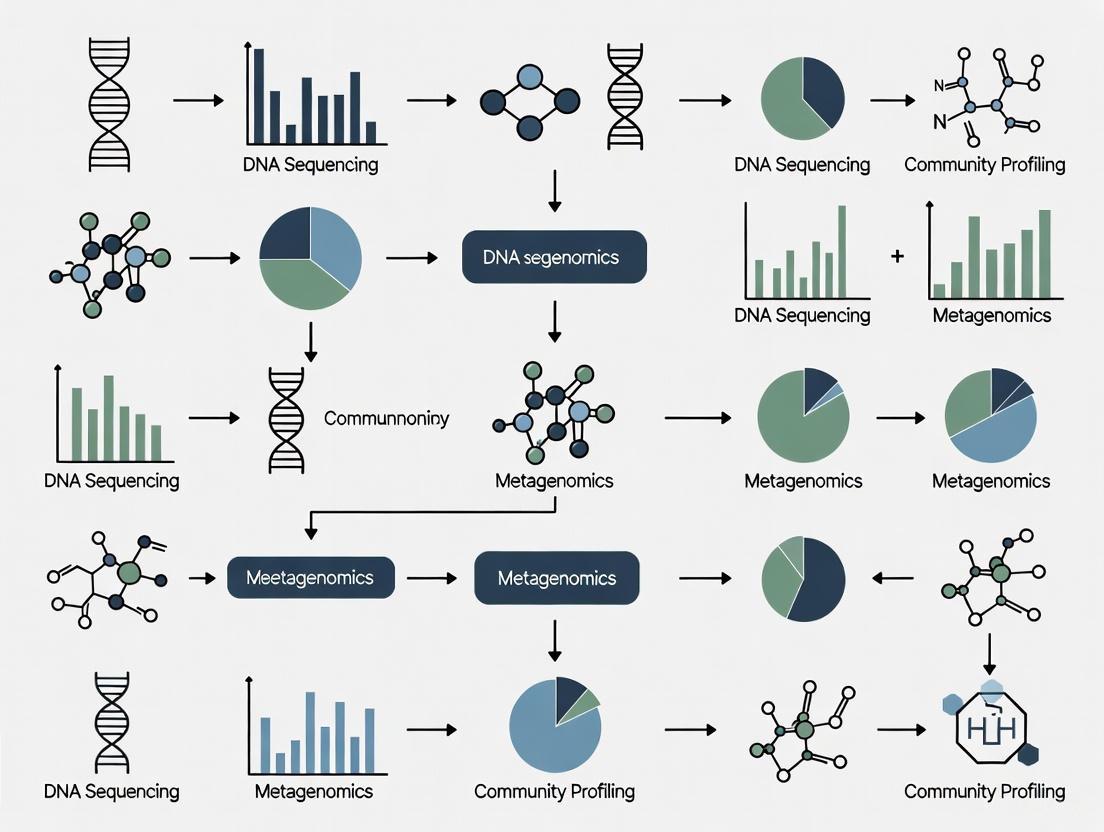
This article provides a comprehensive overview of contemporary methods for analyzing microbial community dynamics, tailored for researchers and drug development professionals.
Advanced Methods for Analyzing Microbial Community Dynamics: From Sequencing to Predictive Modeling
Abstract
This article provides a comprehensive overview of contemporary methods for analyzing microbial community dynamics, tailored for researchers and drug development professionals. It explores the foundational principles of microbial interactions and the pivotal role of dynamics in ecosystems ranging from the human gut to wastewater treatment. The piece delves into cutting-edge methodological applications, including high-throughput sequencing, quantitative profiling, and graph neural networks for temporal forecasting. It further addresses critical troubleshooting and optimization strategies for model reconstruction and data integration. Finally, it offers a rigorous comparative analysis of method validation, benchmarking the performance of various tools and approaches. This synthesis aims to serve as a guide for selecting and implementing robust analytical frameworks in both research and clinical development.
The Core Principles of Microbial Communities and Their Dynamics
Application Note: Deciphering Microbial Cross-Talk through Modern Methodologies
Microbial interactions function as fundamental units in complex ecosystems, driving community structure, stability, and function [1]. These interactions—classified as positive (mutualism, commensalism), negative (competition, amensalism, parasitism), or neutral—govern ecosystem processes ranging from biogeochemical cycling in soils to host-microbe relationships in human health [2] [1]. Understanding the precise mechanisms of these dynamic exchanges, particularly quorum sensing and metabolic cross-feeding, provides crucial insights for manipulating microbial communities to address pressing challenges in agriculture, medicine, and environmental biotechnology.
Recent technological advances have transformed our ability to probe these interactions from qualitative observations to quantitative, predictive frameworks. This Application Note synthesizes current methodologies and presents a detailed protocol for investigating a specific case of quorum sensing-mediated metabolic cross-feeding that enhances aluminum tolerance in soil microbial consortia, demonstrating the practical application of these techniques in a real-world research context [3] [4].
Key Experimental Findings: Quinolone-Mediated Cross-Feeding
A recent investigation revealed a sophisticated metabolic cross-feeding mechanism between Rhodococcus erythropolis and Pseudomonas aeruginosa that confers enhanced aluminum tolerance to the consortium [3] [4]. The study demonstrated that:
- Co-culture consortium (RP) exhibited significantly greater Al tolerance than either bacterium in mono-culture, with enhanced metabolic activity under Al stress measured via single-cell Raman spectroscopy with reverse heavy water labeling (Reverse-Raman-D2O) [3].
- P. aeruginosa produces the quorum sensing molecule 2-heptyl-1H-quinolin-4-one (HHQ), which is efficiently degraded by R. erythropolis [3].
- This degradation reduces quorum sensing-mediated population density limitations, further enhancing the metabolic activity of P. aeruginosa under Al stress [3].
- R. erythropolis converts HHQ into tryptophan via the chorismate biosynthesis pathway, promoting peptidoglycan synthesis for improved cell wall stability and enhanced Al tolerance [3].
Table 1: Quantitative Data from Bacterial Co-culture Under Aluminum Stress
| Parameter | Mono-culture | Co-culture | Measurement Technique |
|---|---|---|---|
| P. aeruginosa metabolic activity (1.0 mM Al³⁺) | Unchanged from baseline | Significantly augmented | Reverse-Raman-D2O (C-D ratio) |
| R. erythropolis metabolic activity (1.0 mM Al³⁺) | Decreased by 28.46% | Increased by 25.42% | Reverse-Raman-D2O (C-D ratio) |
| P. aeruginosa cell density (12h, 0.1 mM Al³⁺) | 5.72 × 10⁹ copies mL⁻¹ | 1.53x greater than mono-culture | Growth curve analysis |
| HHQ concentration | High in P. aeruginosa mono-culture | Reduced by ~50% | GC-MS |
| Plant growth promotion (Shoot fresh weight) | Increased with mono-culture | 21.32-34.98% greater than mono-cultures | Field measurement |
Protocol: Analyzing Quorum Sensing-Mediated Metabolic Cross-Feeding
The following diagram illustrates the complete experimental workflow for investigating the quinolone-mediated metabolic cross-feeding mechanism:
Materials and Reagents
Table 2: Essential Research Reagents and Solutions
| Reagent/Solution | Function/Application | Specifications |
|---|---|---|
| Bacterial Strains | Model organisms for interaction studies | Rhodococcus erythropolis & Pseudomonas aeruginosa [3] |
| Minimal Media | Cultivation under controlled nutrient conditions | pH 4.0 with varying Al³⁺ concentrations (0-1.0 mM) [3] |
| Heavy Water (D₂O) | Labeling for metabolic activity assessment | Reverse-Raman-D2O spectroscopy [3] |
| GC-MS Equipment | Detection and quantification of metabolites | Identification of HHQ and other cross-fed metabolites [3] |
| FISH Probes | Visualization and quantification of colonization | Species-specific 16S rRNA probes [3] |
| qRT-PCR Reagents | Quantification of absolute bacterial abundance | Species-specific primers [3] |
Step-by-Step Procedure
Phase 1: Cultivation and Growth Assessment
- Culture Preparation: Maintain Rhodococcus erythropolis (Rh) and Pseudomonas aeruginosa (Ps) as pure cultures. Prepare co-culture (RP) by combining equal cell numbers.
- Aluminum Stress Application: Inoculate mono-cultures and co-culture in minimal medium (pH 4.0) supplemented with Al³⁺ (0, 0.1, 0.5, 1.0 mM). Use unsupplemented medium as control.
- Growth Monitoring: Measure optical density (OD₆₀₀) and perform quantitative culture for 24-48 hours to establish growth curves and determine cell densities (copies mL⁻¹).
- Metabolic Activity Assessment:
- Add 20% D₂O (v/v) to cultures under Al stress.
- Incubate for 6-12 hours.
- Measure C-D ratio using single-cell Raman spectroscopy.
- Calculate metabolic activity based on deuterium incorporation (lower C-D ratio indicates higher activity).
Phase 2: Molecular Analysis of Cross-Feeding
Metabolite Extraction and Analysis:
- Culture bacteria in Al-supplemented medium for 24 hours.
- Centrifuge cultures (10,000 × g, 10 min) to separate cells from supernatant.
- Extract metabolites from supernatant using ethyl acetate.
- Analyze extracts by GC-MS for HHQ and other metabolites.
- Compare metabolite profiles between mono-cultures and co-culture.
Molecular Docking Simulations:
- Obtain 3D structures of QsdR and mvfR transcription factors from protein databases.
- Prepare HHQ and other detected metabolite structures.
- Perform semiflexible molecular docking to calculate binding free energies.
- Identify metabolites with strongest binding affinities.
Phase 3: Functional Validation
Colonization Efficiency:
- Extract metagenomic DNA from culture samples.
- Perform qRT-PCR with species-specific primers to determine absolute abundance of each strain.
- Compare abundance in mono-culture versus co-culture.
Plant Bioassays:
- Inoculate rice plants with mono-cultures or co-culture under acidic soil conditions with Al toxicity.
- Measure plant growth parameters (shoot fresh weight, root length, grain yield) after 60-90 days.
- Determine Al content in plant tissues.
Expected Results and Interpretation
- Successful cross-feeding is indicated by reduced HHQ in co-culture versus P. aeruginosa mono-culture, enhanced metabolic activity of both partners in co-culture under Al stress, and improved plant growth with co-culture inoculation.
- Molecular mechanism validation requires demonstration of strong binding affinity between HHQ and regulatory proteins, plus conversion of HHQ to tryptophan in R. erythropolis.
- Technical considerations: Include appropriate controls (uninoculated media, pure cultures), perform experiments with biological replicates (n≥3), and use standardized culture conditions.
Advanced Analytical Methods for Microbial Interaction Research
Computational Modeling of Community Dynamics
Graph neural network (GNN) models represent advanced computational tools for predicting microbial community dynamics based on historical abundance data [5]. The "mc-prediction" workflow uses only historical relative abundance data to predict future species dynamics, accurately forecasting up to 10 time points ahead (2-4 months) in wastewater treatment plant microbiota [5].
Table 3: Comparison of Microbial Interaction Analysis Methods
| Method Type | Examples | Key Applications | Resolution |
|---|---|---|---|
| Qualitative | Co-culturing, Microscopy, Metabolite profiling | Observation of directionality, mode of action, spatiotemporal variation [1] | Species to Community |
| Quantitative | Network inference, GNN models, Synthetic consortia | Prediction of dynamics, Hypothesis testing, Community design [5] [1] | Strain to Ecosystem |
| Multi-omics | Metagenomics, Metatranscriptomics, Metaproteomics | Functional potential, Active processes, Biomolecular activity [6] | Gene to Pathway |
Multi-omics Integration Framework
The following diagram illustrates the integration of multi-omics data for comprehensive analysis of microbial interactions:
Strain-Level Resolution in Microbial Epidemiology
Strain-level differentiation is crucial for understanding microbial interactions as functional capabilities can vary dramatically within species [6]. For example, Escherichia coli encompasses neutral commensals, pathogens, and probiotic strains within its pangenome of over 16,000 genes [6]. Strain resolution can be achieved through:
- Shotgun metagenomics with single nucleotide variant (SNV) calling or variable region identification
- Advanced 16S analysis discriminating sequence variants differing by just single nucleotides
- Culture-based methods complemented by molecular typing
This resolution is particularly important when linking microbial interactions to functional outcomes, as strain-specific genes often determine interactions and ecological impacts [6].
The integration of qualitative observations, quantitative measurements, and computational modeling provides a powerful framework for deciphering complex microbial interactions. The protocol presented here for analyzing quorum sensing-mediated metabolic cross-feeding exemplifies how modern methodologies can unravel sophisticated microbial dialogue with important implications for managing microbial communities in agricultural, environmental, and biomedical contexts. As these methods continue to evolve, particularly with advances in multi-omics integration and machine learning, researchers will gain increasingly predictive understanding of microbial community dynamics, enabling the rational design of microbial consortia for specific applications.
Understanding temporal dynamics is fundamental to microbial ecology, influencing outcomes from ecosystem stability in wastewater treatment to host health in mammals. Microbial communities are not static; their composition and function fluctuate due to a complex interplay of deterministic forces (like environmental selection) and stochastic events (like ecological drift) [7]. These temporal shifts can dictate the functional output of an ecosystem, affecting processes from pollutant removal in engineered systems to immune modulation in hosts. Analyzing these dynamics requires robust methodological frameworks capable of capturing and predicting complex, multi-variable interactions over time. This application note details cutting-edge protocols and analytical tools for capturing and interpreting microbial temporal dynamics, providing researchers with a practical toolkit for advanced community ecology research.
Application Notes: Core Concepts and Current Research
The Ecological Foundations of Microbial Dynamics
The assembly and maintenance of microbial communities over time are governed by core ecological processes, often framed by the dichotomy between niche-based and neutral theories [7].
- Deterministic vs. Stochastic Processes: Deterministic processes are directional forces that shape community structure predictably, driven by factors like environmental conditions (e.g., temperature, pH), host filtering (e.g., immune pressure), and specific species traits. In contrast, stochastic processes are random events—such as unpredictable dispersal, birth, or death—that cause non-directional variation in species abundance [7].
- Priority Effects: The timing and order of species arrival during community assembly can have lasting effects on the community's trajectory. Early colonizers can shape subsequent dynamics through:
- Niche Preemption: Consuming resources to limit the success of late-arriving species.
- Niche Modification: Altering the environment to facilitate later colonizers [7].
- Disruptions to the expected order of succession in the human infant gut, for instance, have been linked to various disease states [7].
Predictive Modeling of Temporal Dynamics
A landmark 2025 study demonstrated the power of machine learning for forecasting microbial community dynamics. The research developed a graph neural network (GNN) model to predict species-level abundance in wastewater treatment plants (WWTPs) up to 2-4 months into the future, using only historical relative abundance data [5].
- Key Innovation: The GNN architecture is uniquely suited for this task as it learns the relational dependencies and interaction strengths between different microbial taxa, represented as a graph, while simultaneously extracting temporal features from the time-series data [5].
- Performance: The model, implemented as the "mc-prediction" workflow, was validated on 24 full-scale WWTPs (4,709 samples over 3-8 years) and was also successfully applied to human gut microbiome datasets, confirming its broad applicability to any longitudinal microbial system [5].
Case Study: Seasonal vs. Crop-Driven Dynamics in Soil
A 2025 study on rotational cropping systems highlights the relative impact of different temporal drivers. The research found that while crop species and growth stages influenced soil microbial community structure, these effects were generally modest and variable. In contrast, seasonal factors and soil physicochemical properties—particularly electrical conductivity—exerted stronger and more consistent effects on microbial beta diversity [8]. Despite taxonomic shifts, a core microbiome dominated by Acidobacteriota and Bacillus persisted across seasons, and functional predictions revealed an environmentally controlled peak in nitrification potential during warmer months [8]. This underscores the resilience of soil microbiomes and the dominant role of abiotic temporal factors in this system.
Experimental Protocols
Protocol: Predicting Microbial Dynamics with Graph Neural Networks
This protocol summarizes the methodology for implementing the GNN-based prediction model as described in Skytte et al. Nat Commun (2025) [5].
1. Sample Collection and Data Generation
- Objective: Obtain longitudinal relative abundance data for a microbial community.
- Procedure:
- Collect time-series samples from the ecosystem of interest (e.g., activated sludge, host gut, soil). The Danish WWTP study collected 4,709 samples over 3-8 years, at a frequency of 2-5 times per month [5].
- Perform DNA extraction and 16S rRNA gene amplicon sequencing (e.g., targeting the V3-V4 region) on all samples.
- Process sequences using a standard pipeline (e.g., DADA2) to infer amplicon sequence variants (ASVs) and classify taxa using an appropriate reference database (e.g., MiDAS 4 for wastewater) [5].
- Generate a relative abundance table for the top ~200 ASVs, which typically captures >50% of the community biomass.
2. Data Preprocessing and Clustering
- Objective: Structure the data for model input.
- Procedure:
- Make a chronological 3-way split of each time-series dataset into training, validation, and test sets [5].
- To maximize prediction accuracy, pre-cluster ASVs into small multivariate groups. The study found that clustering by graph network interaction strengths or by ranked abundances yielded the best results [5].
- Set the cluster size to 5 ASVs. Avoid clustering solely by broad biological function, as this reduced accuracy [5].
- Structure the data into moving windows of 10 consecutive historical time points as model inputs, with the goal of predicting the next 10 consecutive future time points.
3. Model Training and Prediction
- Objective: Train the GNN model to forecast future abundances.
- Procedure:
- Graph Convolution Layer: The model first learns the interaction strengths and extracts relational features between ASVs within each cluster [5].
- Temporal Convolution Layer: This layer then extracts temporal features across the 10-time-point window [5].
- Output Layer: Fully connected neural networks use the extracted relational and temporal features to predict the relative abundances of each ASV for the next 10 time points [5].
- Iterate this process throughout the training, validation, and test datasets. The model is designed to be trained and tested independently for each unique site or system.
Protocol: Assessing Soil Microbial Community Dynamics
This protocol is adapted from the rotational cropping study to analyze temporal dynamics in soil [8].
1. Field Design and Sampling
- Objective: Capture the effects of crop rotation and seasonality.
- Procedure:
- Establish a long-term crop rotation system. The cited study used a 6-year rotation cycle divided into six sectors [8].
- Collect bulk soil samples (e.g., from 0-20 cm depth) from each sector at multiple time points covering key seasonal changes and crop growth stages (e.g., pre-cultivation, peak growth, post-harvest). Use a minimum of four biological replicates per sector per time point [8].
- Pool and homogenize soil cores from each sampling point to minimize micro-variability.
2. Molecular and Physicochemical Analysis
- Objective: Generate community and environmental data.
- Procedure:
- DNA Extraction & Sequencing: Extract metagenomic DNA from all samples using a dedicated kit (e.g., FastDNA Spin Kit for Soil). Amplify the 16S rRNA gene (e.g., V3-V4 region with primers Pro341F/Pro805R) and sequence on an Illumina platform [8].
- Bioinformatics: Process raw sequences through a standard pipeline (e.g., DADA2 in R) to infer ASVs. Assign taxonomy using a reference database (e.g., SILVA 138) [8].
- Soil Physicochemistry: Air-dry and sieve soils. Measure key variables like pH and electrical conductivity (EC) in a soil-water suspension. Perform Fourier-transform infrared (FT-IR) spectroscopy on supernatants to characterize organic components [8].
3. Data Integration and Statistical Analysis
- Objective: Identify drivers of temporal change.
- Procedure:
- Calculate alpha diversity (e.g., Shannon index, Chao1 richness) and beta diversity (e.g., Bray-Curtis dissimilarity) indices using packages like
Veganin R [8]. - Use non-parametric statistical tests (e.g., PERMANOVA) to relate community composition differences (beta diversity) to factors like crop type, sampling date, and soil properties like EC [8].
- Employ functional prediction tools (e.g., PICRUSt2) to infer metabolic potential and its changes over time.
- Calculate alpha diversity (e.g., Shannon index, Chao1 richness) and beta diversity (e.g., Bray-Curtis dissimilarity) indices using packages like
Data Visualization and Workflows
Workflow Diagram: Predictive Modeling of Microbial Dynamics
The following diagram illustrates the integrated workflow for collecting data and applying a graph neural network to predict microbial community dynamics.
Table 1: Summary of Predictive Model Performance Across Different Pre-clustering Methods [5] This table compares the prediction accuracy, measured by the Bray-Curtis dissimilarity between predicted and actual communities, achieved using different methods for pre-clustering Amplicon Sequence Variants (ASVs) before model training. Lower values indicate better performance.
| Pre-clustering Method | Brief Description | Median Prediction Accuracy (Bray-Curtis) | Key Advantage |
|---|---|---|---|
| Graph Network | Clusters ASVs based on interaction strengths learned by the GNN. | Best Overall | Captures complex, data-driven relational dependencies. |
| Ranked Abundance | Clusters ASVs in simple groups of 5 based on abundance ranking. | Very Good | Simple to implement, requires no prior biological knowledge. |
| IDEC Algorithm | Uses Improved Deep Embedded Clustering to self-determine clusters. | Good (High Variability) | Can achieve high accuracy but results are less consistent. |
| Biological Function | Clusters ASVs into groups like PAOs, NOBs, filamentous bacteria. | Lower | Intuitive, but generally resulted in lower prediction accuracy. |
Table 2: Key Abiotic and Temporal Drivers of Soil Microbial Community Dynamics [8] This table summarizes the relative influence of different factors on soil microbial community structure (beta diversity) as identified in the rotational cropping study.
| Factor Category | Specific Factor | Strength of Influence on Community | Notes / Context |
|---|---|---|---|
| Seasonal & Abiotic | Electrical Conductivity (EC) | Strong & Consistent | A key measure of soil salinity and ion content. |
| Seasonal & Abiotic | Seasonal Timing / Temperature | Strong & Consistent | Warm seasons showed a peak in predicted nitrification potential. |
| Biotic & Management | Crop Species / Identity | Modest & Variable | Effect was detectable but often outweighed by abiotic factors. |
| Biotic & Management | Crop Growth Stage | Modest & Variable | - |
| Community Property | Core Microbiome (e.g., Acidobacteriota, Bacillus) | Persistent | Dominant taxa remained stable across crops and seasons. |
The Scientist's Toolkit: Essential Reagents and Materials
Table 3: Research Reagent Solutions for Microbial Dynamics Studies
| Item | Function / Application |
|---|---|
| FastDNA Spin Kit for Soil (MP Biomedicals) | Standardized and efficient metagenomic DNA extraction from complex environmental samples like soil and sludge [8]. |
| Pro341F / Pro805R Primers | PCR amplification of the bacterial 16S rRNA gene V3-V4 hypervariable region for metabarcoding studies [8]. |
| Illumina MiSeq Platform | High-throughput sequencing of 16S rRNA amplicons to profile microbial community composition [8]. |
| MiDAS 4 Database | Ecosystem-specific taxonomic reference database for high-resolution classification of ASVs from wastewater treatment ecosystems [5]. |
| SILVA SSU Database | Comprehensive, curated ribosomal RNA database for general taxonomic classification of 16S sequences from diverse environments [8]. |
| DADA2 (R package) | Pipeline for processing sequencing data to resolve exact amplicon sequence variants (ASVs), providing higher resolution than OTU clustering [8]. |
| "mc-prediction" Workflow | A publicly available software workflow (https://github.com/kasperskytte/mc-prediction) for implementing the graph neural network-based prediction model [5]. |
Application Note: Comparative Analysis of Microbial Community Dynamics
Microbial communities drive essential functions across diverse ecosystems, from human health to environmental processes. Understanding their dynamics in key habitats—the human gut, soil, and engineered systems—provides crucial insights for advancing medicine, agriculture, and biotechnology. This application note presents a standardized framework for comparing microbial community structure, function, and dynamics across these ecosystems, enabling researchers to identify universal principles and system-specific characteristics. We integrate quantitative comparisons, experimental protocols, and computational tools to support cross-disciplinary microbiome research.
Comparative Ecosystem Analysis
The table below summarizes key quantitative and functional characteristics of microbial communities across the three focal ecosystems, highlighting both shared and distinct properties.
Table 1: Comparative Analysis of Microbial Communities in Key Ecosystems
| Parameter | Human Gut | Soil | Engineered Systems (WWTP) |
|---|---|---|---|
| Cell Density | 10^11-10^12 cells/g (colon) [9] | 10^7-10^9 cells/g [9] | Varies with operational parameters |
| Species Diversity | ~400-5000 species/g [9] | ~4,000-50,000 species/g [9] | Highly variable; often dominated by functional guilds |
| Core Functions | Nutrient metabolism, immune modulation, gut barrier integrity [10] | Biogeochemical cycling, organic matter decomposition, plant symbiosis [10] | Pollutant removal, nutrient recovery, sludge settling [5] |
| Key Specialist Taxa | Akkermansia muciniphila, Faecalibacterium prausnitzii, Christensenella minuta [10] | Arbuscular mycorrhizal fungi, N2-fixing rhizobia, methanotrophs [10] | Nitrosomonadaceae (AOB), Nitrospiraceae (NOB), Candidatus Microthrix [5] [11] |
| Key Generalist Taxa | Clostridium, Acinetobacter, Stenotrophomonas, Ruminococcus [10] | Clostridium, Acinetobacter, Stenotrophomonas, Pseudomonas [10] | Acinetobacter, Pseudomonas, Stenotrophomonas [10] [5] |
| Primary Dynamics Drivers | Diet, host genetics, medications, lifestyle [9] | Land use, plant cover, agricultural practices, climate [9] | Temperature, substrate loading, retention times, immigration [5] |
| Typical Disturbance Regimes | Antibiotics, dietary shifts, disease states | Crop rotation, tillage, chemical amendments [9] | Process upsets, toxic shocks, cleaning cycles (e.g., scraping in SSFs) [11] |
Conceptual Framework: The Microbiome Continuum
A significant paradigm in microbial ecology is the concept of interconnected microbiomes forming a continuum across different habitats. The soil-plant-human gut microbiome axis proposes that soil acts as a microbial seed bank, with microorganisms traversing to the human gut via plant-based food or direct environmental exposure [10]. This transmission has profound implications for human health, as geographic patterns in gut microbiome composition are influenced by local diet, lifestyle, and environmental exposure [10] [9]. Conversely, human activities reciprocally influence soil and engineered systems through waste streams and agricultural practices, creating a complex feedback loop [10] [9]. Engineered systems like wastewater treatment plants (WWTPs) represent a critical node in this cycle, receiving and processing microbial communities from human populations [5].
Protocols for Microbial Community Analysis
Protocol 1: Longitudinal Sampling and Community Profiling
Objective: To collect and process temporal samples from human gut, soil, or engineered systems for microbial community analysis.
Materials:
- Sample Collection: Stool collection kits (gut), soil corers (soil), automated water samplers or grab bottles (engineered systems).
- Preservation: RNAlater, DNA/RNA Shield, or immediate freezing at -80°C.
- DNA Extraction: Kits optimized for difficult matrices (e.g., QIAamp PowerFecal Pro DNA Kit, DNeasy PowerSoil Pro Kit).
- Library Prep & Sequencing: 16S rRNA gene primers (e.g., 515F/806R for V4 region), metagenomic shotgun sequencing kits.
Procedure:
- Sample Collection:
- Human Gut: Collect fecal samples using standardized kits. Record participant metadata (diet, health status).
- Soil: Use a sterile corer to collect rhizosphere or bulk soil from multiple points in a transect. Combine and homogenize.
- Engineered Systems: Collect biomass (e.g., activated sludge, Schmutzdecke layer from slow sand filters) in triplicate at consistent time intervals (e.g., 2-5 times per month) [5] [11].
- Preservation: Immediately preserve samples according to the chosen reagent's protocol. Store at -80°C until nucleic acid extraction.
- DNA Extraction: Follow manufacturer's protocols with included bead-beating step for mechanical lysis. Include extraction blanks as controls.
- Sequencing Library Preparation:
- For 16S rRNA amplicon sequencing, amplify the target region using barcoded primers.
- For metagenomic shotgun sequencing, fragment DNA and construct libraries using a commercial kit.
- Sequencing: Sequence libraries on an appropriate platform (e.g., Illumina MiSeq for 16S, NovaSeq for metagenomes).
Protocol 2: Computational Analysis of Temporal Dynamics
Objective: To process sequencing data and model the temporal dynamics of microbial communities.
Materials:
- Computing Infrastructure: High-performance computing cluster or workstation with sufficient RAM (>32 GB recommended).
- Software: QIIME 2, DADA2, Mc-Prediction workflow [5], R or Python with relevant packages (phyloseq, microbiome, scikit-learn).
Procedure:
- Bioinformatic Processing:
- 16S Data: Demultiplex sequences, perform quality filtering, denoising (e.g., with DADA2), and Amplicon Sequence Variant (ASV) classification against a reference database (e.g., MiDAS for WWTPs [5], SILVA for general use).
- Shotgun Metagenomic Data: Perform quality trimming, remove host/environmental reads, and assemble contigs or directly analyze with tools like HUMAnN3 for functional profiling.
- Community Metrics Calculation: Calculate alpha-diversity (e.g., Chao1, Shannon) and beta-diversity (e.g., Bray-Curtis, UniFrac) indices.
- Temporal Modeling with Graph Neural Networks (GNN):
- Input: A time-series of relative abundance data for the top ~200 ASVs/species.
- Pre-clustering: Cluster ASVs into groups (e.g., of 5) based on graph network interaction strengths to improve prediction accuracy [5].
- Model Training: Train the GNN model on chronological training data using moving windows of 10 consecutive time points.
- Prediction: Use the trained model (
mc-predictionworkflow) to predict future community composition (e.g., up to 10 time points ahead) [5].
The Scientist's Toolkit: Research Reagent Solutions
The following table details essential reagents, tools, and computational resources for conducting microbial community dynamics research.
Table 2: Essential Research Reagents and Resources for Microbial Community Dynamics
| Item Name | Function/Application | Example Use Case |
|---|---|---|
| DNeasy PowerSoil Pro Kit | High-efficiency DNA extraction from difficult samples with inhibitors (soil, stool). | Standardized DNA extraction for cross-study comparison of soil and gut microbiomes. |
| MiDAS 4 Database | Ecosystem-specific 16S rRNA reference database for accurate taxonomic classification in wastewater. | Identifying process-critical bacteria like Nitrospiraceae (NOB) in activated sludge [5]. |
| Mc-Prediction Workflow | Graph neural network-based tool for predicting future microbial community structure from time-series data. | Forecasting dynamics of functional guilds in a WWTP 2-4 months in advance [5]. |
| RNAlater / DNA/RNA Shield | Preserves nucleic acid integrity in samples during storage and transport. | Stabilizing microbial community structure in field-collected soil or water samples. |
| Viz Palette Tool | Online tool to test and adjust color palettes for accessibility (color blindness). | Ensuring scientific figures are interpretable by all readers [12]. |
| ggsci R Package Palettes | Provides color palettes inspired by scientific journals (e.g., 'nejm', 'lancet'). | Creating publication-ready, color-blind safe figures for microbial community bar plots [13]. |
| Design-Build-Test-Learn (DBTL) Cycle | Iterative engineering framework for manipulating and optimizing microbiome function. | Engineering a synthetic community for enhanced pollutant degradation in a bioreactor [14]. |
Case Studies in Dynamics and Engineering
Case Study 1: Predictive Management in Wastewater Treatment
In a longitudinal study of 24 Danish wastewater treatment plants, a graph neural network model was trained on historical relative abundance data of the top 200 Amplicon Sequence Variants (ASVs). The model successfully predicted species-level dynamics up to 2-4 months into the future, enabling proactive management of process-critical microbes like the filamentous Candidatus Microthrix, which can cause sludge settling problems [5]. This demonstrates the power of predictive models for maintaining stability in engineered ecosystems.
Case Study 2: Dysbiosis in the Konjac Rhizosphere
Metagenomic analysis of the konjac rhizosphere during soft rot disease revealed significant shifts in microbial community structure. A notable peak in microbial richness (Chao1 index) was observed in diseased plants, a phenomenon known as dysbiosis-associated richness inflation. Furthermore, the diseased state was characterized by a significant enrichment of pathogenic Rhizopus species and a decline in putative beneficial taxa like Chloroflexi and Acidobacteria [15]. This highlights how cross-kingdom interactions (plant-microbe) drive dynamics in soil ecosystems.
The DBTL Framework for Microbiome Engineering
The Design-Build-Test-Learn (DBTL) cycle provides a systematic approach for engineering microbiomes [14]. This iterative process can be applied across ecosystems:
- Design: Formulate a microbiome configuration for a desired function. This can be top-down (using environmental variables like substrate loading to shape the community) or bottom-up (designing based on reconstructed metabolic networks of constituent species) [14].
- Build: Construct the designed microbiome using methods like synthetic inoculation or self-assembly from a defined inoculum.
- Test: Evaluate the constructed microbiome's function against specified metrics using multi-omics and physiological data.
- Learn: Analyze the outcomes to refine models and inform the next DBTL cycle, accelerating scientific discovery and biotechnological application [14].
Understanding the dynamics of microbial communities requires a framework of core ecological concepts. Community assembly describes the processes governing the formation and composition of microbial communities, driven by both deterministic factors (like environmental selection) and stochastic processes (like random immigration) [5]. Resilience is the capacity of a community to recover its original state after a disturbance, emerging from both individual organism adaptations and community-level coordination [16]. Functional stability refers to the maintenance of ecosystem processes despite fluctuations in community composition, often underpinned by mechanisms like functional redundancy [16] [17]. These interconnected concepts are essential for analyzing and predicting microbial community dynamics in diverse environments, from engineered systems to natural soils [5] [16].
Quantitative Foundations: Metrics and Data
Tracking changes in microbial communities over time requires robust quantitative metrics. The following table summarizes key analytical measures used in longitudinal studies.
Table 1: Key Quantitative Metrics for Analyzing Microbial Community Dynamics
| Metric | Formula/Definition | Application Context | Interpretation |
|---|---|---|---|
| Bray-Curtis Dissimilarity | ( BC{jk} = 1 - \frac{2 \sum \min(S{ij}, S{ik})}{\sum S{ij} + \sum S{ik}} ) where (S{ij}) and (S_{ik}) are the abundance of species (i) in samples (j) and (k). | Beta-diversity analysis; assessing community composition shifts over time or between conditions [16]. | Values range from 0 (identical communities) to 1 (no species in common). A low value indicates high compositional stability [16]. |
| Contrast Ratio (for Data Visualization) | ( \text{Contrast Ratio} = \frac{L1 + 0.05}{L2 + 0.05} ) where L1 is the relative luminance of the lighter color and L2 of the darker [18]. | Ensuring accessibility and readability in data visualization of complex microbial data. | Minimum 4.5:1 for normal text and 3:1 for large text (WCAG Level AA). Essential for clear scientific communication [18]. |
| Community Stability Index | Not explicitly defined in results; generally reflects resistance to and recovery from disturbance. | Evaluating community resilience, often calculated from time-series abundance data [16]. | A high index indicates a community that is more resistant to change and recovers more quickly from perturbations [16]. |
| Functional Redundancy | Often inferred from the relationship between taxonomic and functional diversity metrics from metagenomic data [17]. | Assessing whether multiple taxa perform the same function, thus buffering ecosystem processes [17]. | High functional redundancy can maintain functional stability even when taxonomic composition shifts [17]. |
Advanced modeling approaches, such as Graph Neural Networks (GNNs), have been successfully applied to predict species-level abundance dynamics in complex communities. These models can accurately forecast microbial dynamics up to 2-4 months into the future using historical relative abundance data, demonstrating their power for temporal analysis [5].
Experimental Protocols for Community Analysis
Protocol: Predicting Temporal Dynamics with Graph Neural Networks
This protocol outlines the procedure for using a GNN to forecast future microbial community composition based on historical data [5].
1. Sample Collection and Sequencing
- Frequency: Collect samples longitudinally. A high-frequency sampling regime (e.g., 2-5 times per month) is ideal for capturing dynamics [5].
- Duration: Long-term studies (3-8 years) provide robust data for model training and validation [5].
- Method: Use 16S rRNA amplicon sequencing for cost-effective community profiling. Classify Amplicon Sequence Variants (ASVs) using an ecosystem-specific database (e.g., MiDAS 4 for wastewater) for high-resolution taxonomy [5].
2. Data Preprocessing and Clustering
- Abundance Filtering: Select the top N most abundant ASVs (e.g., top 200) that represent a significant portion of the total reads (e.g., >50%) to reduce noise from rare taxa [5].
- Pre-clustering: Cluster ASVs into smaller, interacting groups to improve model performance. The following table compares clustering methods: Table 2: Comparison of Pre-clustering Methods for Microbial Abundance Data
| Clustering Method | Description | Impact on Prediction Accuracy |
|---|---|---|
| Graph Network Interaction Strengths | Clusters based on inferred interaction strengths from the graph network itself [5]. | Achieved the best overall prediction accuracy across multiple datasets [5]. |
| Ranked Abundances | Groups ASVs by their ranked abundance (e.g., in groups of 5) [5]. | Generally resulted in very good prediction accuracy, comparable to graph-based clustering [5]. |
| Improved Deep Embedded Clustering (IDEC) | An unsupervised algorithm that decides the optimal cluster number itself [5]. | Enabled some of the highest accuracies but produced a larger spread in accuracy between clusters, making it less reliable [5]. |
| Biological Function | Groups ASVs into known functional guilds (e.g., PAOs, AOB, NOBs) [5]. | Generally resulted in lower prediction accuracy compared to other methods, except in specific cases [5]. |
3. Model Training and Architecture
- Input: Use moving windows of 10 consecutive historical time points for each cluster of ASVs [5].
- Architecture: The GNN consists of several layers:
- Graph Convolution Layer: Learns and extracts interaction features between ASVs within a cluster [5].
- Temporal Convolution Layer: Extracts temporal features across the time-series data [5].
- Output Layer: Uses fully connected neural networks to predict the relative abundances of each ASV for future time points [5].
- Output: The model predicts relative abundances for a specified number of future time points (e.g., up to 10 time points ahead, equivalent to 2-4 months) [5].
4. Model Validation
- Data Splitting: Perform a chronological 3-way split of the time-series data for each individual site into training, validation, and test datasets [5].
- Accuracy Metrics: Evaluate prediction accuracy against the held-out test data using metrics like Bray-Curtis dissimilarity, Mean Absolute Error (MAE), and Mean Squared Error (MSE) [5].
Protocol: Assessing Resilience via Time-Resolved Multiomics
This protocol is designed to investigate the mechanisms of microbial community resilience in response to environmental disturbances, such as drought and rewetting in arid soils [16].
1. Experimental Design and Sampling
- Site Selection: Choose a site with a predictable environmental fluctuation (e.g., arid soil subject to monsoon seasons) [16].
- Temporal Sampling: Collect soil samples from multiple biological replicates (e.g., 4 sites) across multiple time points that capture pre-disturbance, during disturbance, and post-disturbance/recovery phases (e.g., 8 time points over 5 months) [16].
- Physicochemical Data: Concurrently measure environmental parameters such as soil moisture, temperature, and vegetation density (NDVI) [16].
2. Multiomics Data Generation
- Community Profiling:
- Metabolomic Profiling:
- Use Fourier-Transform Ion Cyclotron Resonance Mass Spectrometry (FTICR-MS) to characterize the composition of soil organic matter and microbial metabolites [16].
3. Data Integration and Analysis
- Community Stability: Calculate beta-diversity (Bray-Curtis dissimilarity) to test for significant shifts in taxonomic composition across time [16]. Resilience is indicated if post-disturbance communities return to pre-disturbance composition.
- Functional and Metabolic Shifts: Analyze FTICR-MS data to see if organic matter composition changes significantly despite taxonomic stability, indicating metabolic reorganization [16].
- Genomic Basis of Adaptation: Analyze MAGs to identify individual microbial adaptations (e.g., stress response genes, dormancy-related genes) that contribute to community-level resilience [16].
- Network Analysis: Construct co-occurrence networks to identify how microbial interactions reorganize between environmental states, which can reveal keystone taxa [16].
The Scientist's Toolkit: Essential Research Reagents & Materials
Table 3: Essential Research Reagents and Computational Tools for Microbial Community Dynamics
| Category / Item | Specific Examples / Specifications | Function / Application |
|---|---|---|
| Sequencing & Molecular Biology | ||
| 16S rRNA Amplicon Sequencing | Primers targeting V3-V4 hypervariable region; MiDAS 4 database for classification [5]. | Cost-effective profiling of microbial community composition and taxonomic structure at high resolution (ASV level) [5]. |
| HiFi Shotgun Metagenomic Sequencing | PacBio long-read sequencing platforms [19]. | Enables precise taxonomic profiling, reconstruction of Metagenome-Assembled Genomes (MAGs), and precise functional gene analysis, providing deeper insights than short-reads [19]. |
| FTICR-MS | Fourier-Transform Ion Cyclotron Resonance Mass Spectrometry [16]. | Characterizes the molecular composition of soil organic matter and microbial metabolites, linking community function to metabolic outputs [16]. |
| Computational Tools & Software | ||
| Graph Neural Network (GNN) Workflow | "mc-prediction" workflow [5]. | A specialized tool for predicting future microbial community dynamics using historical abundance data via graph neural networks [5]. |
| Metagenomic Analysis | HUMAnN 4 for functional profiling; CoverM for genome coverage analysis [16] [19]. | Precisely profiles the abundance of microbial metabolic pathways from metagenomic data; quantifies relative abundance of MAGs in community [16] [19]. |
| R Packages for Visualization | urbnthemes package for ggplot2 [20]. |
Applies consistent, accessible styling and color palettes to data visualizations, ensuring clarity and adherence to contrast guidelines [20]. |
| Accessibility & Color Contrast Checkers | WebAIM Contrast Checker; WAVE browser extension [21] [22]. | Ensures that data visualizations meet WCAG 2.2 guidelines (e.g., 4.5:1 contrast ratio for text), making them readable for all users, including those with color vision deficiencies [21] [22]. |
Cutting-Edge Techniques for Profiling and Predicting Community Dynamics
In the field of microbial ecology, high-throughput sequencing technologies have revolutionized our ability to decipher the composition and function of complex microbial communities. The two predominant strategies, 16S ribosomal RNA (rRNA) gene amplicon sequencing and shotgun metagenomic sequencing, provide complementary yet distinct lenses for studying microbiomes [23]. The choice between these methods is a critical initial step in research design, impacting cost, analytical depth, and the fundamental biological questions that can be addressed. This application note provides a detailed comparison of these technologies, framed within the context of analyzing microbial community dynamics, to guide researchers, scientists, and drug development professionals in selecting and implementing the most appropriate methodology for their investigations.
Fundamental Principles
16S rRNA Gene Sequencing is a targeted amplicon sequencing approach. It relies on the polymerase chain reaction (PCR) to amplify one or more hypervariable regions (V1-V9) of the 16S rRNA gene, a conserved genetic marker present in all bacteria and archaea [24] [25]. The resulting sequences are clustered into Operational Taxonomic Units (OTUs) or Amplicon Sequence Variants (ASVs) and compared against reference databases like SILVA or Greengenes for taxonomic classification [26] [23].
Shotgun Metagenomic Sequencing is an untargeted approach. It involves fragmenting all genomic DNA in a sample into small pieces, sequencing these fragments randomly, and then using bioinformatics to reconstruct the sequences and identify the organisms and genes present [27] [24]. This method sequences the entire genetic content, enabling the profiling of all domains of life—bacteria, archaea, viruses, fungi, and protists—from a single sample [28] [29].
Comparative Technical Specifications
The following table summarizes the core technical differences between the two methodologies, which are crucial for experimental design.
Table 1: Technical Comparison of 16S rRNA and Shotgun Metagenomic Sequencing
| Factor | 16S rRNA Sequencing | Shotgun Metagenomic Sequencing |
|---|---|---|
| Principle | Targeted PCR amplification of a specific gene region [24] | Untargeted, random fragmentation and sequencing of all DNA [27] |
| Taxonomic Resolution | Genus level (sometimes species); high false-positive rate at species level [24] [28] | Species and strain-level resolution [24] [29] |
| Taxonomic Coverage | Bacteria and Archaea only [24] [25] | All domains: Bacteria, Archaea, Viruses, Fungi, Protists [24] [28] |
| Functional Profiling | Indirect prediction via tools like PICRUSt (not direct) [24] | Direct characterization of functional genes and metabolic pathways [27] [24] |
| Host DNA Interference | Low (PCR enriches for microbial target) [28] | High (requires host DNA depletion or high sequencing depth) [24] [28] |
| Recommended Sample Type | All types, especially low-microbial-biomass/high-host-DNA samples (e.g., skin swabs) [28] | All types, best for high-microbial-biomass samples (e.g., stool) [24] [28] |
Quantitative Performance and Cost Analysis
Empirical comparisons reveal significant differences in the output and capabilities of the two techniques. Studies consistently show that shotgun sequencing detects a greater portion of microbial diversity, particularly among less abundant taxa, which are often missed by 16S sequencing [26] [29]. For instance, in a study of the chicken gut microbiota, shotgun sequencing identified 256 statistically significant changes in genera abundance between gut compartments, compared to only 108 identified by 16S sequencing [26].
While 16S data is generally sparser and shows lower alpha diversity than shotgun data, the overall patterns can be correlated. One study reported an average correlation of 0.69 for genus abundances between the two methods when considering common taxa [26]. Furthermore, both techniques have demonstrated the ability to train machine learning models that can predict disease states, such as pediatric ulcerative colitis, with comparable high accuracy [30].
Table 2: Performance and Logistical Considerations
| Aspect | 16S rRNA Sequencing | Shotgun Metagenomics | Shallow Shotgun |
|---|---|---|---|
| Relative Cost per Sample | ~$50 USD (Lower cost) [24] | Starting at ~$150 USD (Higher cost) [24] | Close to 16S cost [24] [28] |
| Sensitivity to Low-Abundance Taxa | Lower power to identify less abundant taxa [26] | Higher power with sufficient sequencing depth [26] | Intermediate |
| Bioinformatics Complexity | Beginner to Intermediate [24] | Intermediate to Advanced [24] | Intermediate |
| Minimum DNA Input | Low (can work with <1 ng DNA) [28] | Higher (typically >1 ng/μL) [28] | Similar to standard shotgun |
| Data Output | Sequences only the 16S gene region | Sequences all genomic DNA; more data-rich [24] | Reduced data per sample but retains multi-kingdom coverage [28] |
Experimental Protocols
Workflow for 16S rRNA Gene Sequencing
The standard workflow for 16S rRNA gene sequencing involves several key stages, from sample preparation to bioinformatic analysis.
Detailed Protocol:
- DNA Extraction: Extract microbial DNA from the sample using a commercial kit (e.g., QIAamp Powerfecal DNA Kit, Dneasy PowerLyzer Powersoil Kit) following the manufacturer's instructions. Mechanical lysis is often recommended for thorough cell disruption [30] [29].
- PCR Amplification: Amplify the target hypervariable region (e.g., V4 or V3-V4) of the 16S rRNA gene using universal primer pairs (e.g., 515F/806R). The PCR reaction incorporates unique barcodes for each sample to enable multiplexing [30] [24].
- Library Preparation: Clean up the amplified PCR product to remove reagents and primers. Size-select the DNA to ensure the correct fragment size is retained [24].
- Pooling and Sequencing: Quantify the purified libraries and pool them in equimolar ratios. Sequence the pooled library on an Illumina MiSeq or similar platform using a 2x150bp or 2x250bp paired-end protocol [30].
- Bioinformatic Analysis:
- Pre-processing: Use tools like DADA2 or QIIME 2 to trim primers, filter low-quality reads and chimeras, and merge paired-end reads [29].
- Clustering/Denoising: Generate OTUs (e.g., with MOTHUR) or ASVs (e.g., with DADA2) to cluster sequences into taxonomic units [26] [31].
- Taxonomy Assignment: Assign taxonomy to OTUs/ASVs by aligning them to reference databases such as SILVA, Greengenes, or the RDP [23] [29].
Workflow for Shotgun Metagenomic Sequencing
Shotgun metagenomics involves a more complex preparation and analytical process to handle the entirety of genomic content.
Detailed Protocol:
- DNA Extraction: Extract high-quality, high-molecular-weight DNA. The quality of input DNA is paramount for all downstream steps [25]. Kits like the NucleoSpin Soil Kit are commonly used.
- Library Preparation: Fragment the purified DNA via physical shearing or enzymatic tagmentation (e.g., using Nextera XT kits). This step randomly breaks the DNA into small fragments. Adapters and sample-specific barcodes are then ligated to the fragments [30] [25].
- Sequencing: Pool the barcoded libraries and sequence on a high-output platform like the Illumina NextSeq or NovaSeq, generating tens of millions of paired-end reads (e.g., 2x150bp) per sample to achieve sufficient depth [30].
- Bioinformatic Analysis:
- Quality Control and Host Removal: Trim adapters and low-quality bases with tools like Trim Galore! or KneadData. Remove reads that align to the host genome (e.g., human GRCh38) using Bowtie2 [30] [29].
- Taxonomic Profiling: Classify reads using reference-based tools like MetaPhlAn or Kraken2, which align reads to comprehensive databases of microbial genomes (e.g., NCBI RefSeq, GTDB) [24] [29].
- Functional Profiling: Assemble quality-filtered reads into contigs and predict genes. Annotate these genes against functional databases (e.g., KEGG, eggNOG) using tools like HUMAnN to determine the abundance of metabolic pathways and functional genes [24] [23].
The Scientist's Toolkit: Research Reagent Solutions
Successful implementation of microbiome sequencing requires a suite of reliable reagents and tools. The following table details essential materials and their applications.
Table 3: Key Research Reagents and Materials for Microbiome Sequencing
| Item | Function/Application | Examples |
|---|---|---|
| DNA Extraction Kits | Isolation of high-quality microbial DNA from complex samples; critical for downstream success. | QIAamp Powerfecal DNA Kit (Qiagen), Dneasy PowerLyzer Powersoil Kit (Qiagen), NucleoSpin Soil Kit (Macherey-Nagel) [30] [29] |
| PCR Primers | Targeted amplification of specific 16S rRNA hypervariable regions for amplicon sequencing. | 515F/806R for V4 region [30] |
| Library Prep Kits | Preparation of sequencing libraries, including fragmentation, adapter ligation, and indexing. | Nextera XT DNA Library Preparation Kit (Illumina) [30] [25] |
| Reference Databases (16S) | Taxonomic classification of 16S rRNA sequence reads. | SILVA, Greengenes, Ribosomal Database Project (RDP) [23] [29] |
| Reference Databases (Shotgun) | Taxonomic classification and functional annotation of metagenomic reads. | NCBI RefSeq, GTDB, UHGG [29] |
| Bioinformatics Pipelines | Software for data processing, quality control, taxonomic assignment, and functional analysis. | QIIME 2, MOTHUR (16S); MetaPhlAn, HUMAnN, Kraken2, DRAGEN (Shotgun) [27] [24] [23] |
Application in Microbial Community Dynamics
Understanding microbial community dynamics—such as succession, stability, and response to perturbation—is a central goal in microbial ecology. The choice of sequencing technology directly impacts the insights gained.
16S rRNA Sequencing is highly effective for tracking broad-scale changes in community structure over time or across conditions. For example, in a study of artificial selection for chitin-degrading communities, 16S sequencing revealed rapid succession where Gammaproteobacteria (primary degraders) were succeeded by cheaters and grazing organisms, explaining observed fluctuations in enzymatic activity [31]. This makes 16S ideal for large-scale longitudinal studies where the primary focus is on monitoring shifts in taxonomic composition and beta-diversity without the need for functional details.
Shotgun Metagenomics provides a system-level view, enabling the linkage of taxonomic shifts to functional changes. It can identify the specific genes and pathways (e.g., chitinase enzymes) that are enriched during community succession [31]. Furthermore, by providing strain-level resolution, shotgun sequencing can track specific strains within a community, uncovering dynamics that are invisible at the genus or species level provided by 16S. This is crucial for understanding mechanisms behind community assembly, stability, and functional output.
Both 16S rRNA and shotgun metagenomic sequencing are powerful, yet distinct, tools for profiling microbial communities. 16S sequencing offers a cost-effective, straightforward method for answering questions about taxonomic composition and diversity, making it ideal for large-scale studies or when focusing on well-defined bacterial and archaeal communities. Shotgun metagenomics provides a more comprehensive view, delivering higher taxonomic resolution, multi-kingdom coverage, and direct insight into the functional potential of the microbiome, albeit at a higher cost and computational burden.
The decision between them should be guided by the research question, budget, sample type, and analytical capabilities. For research focused on microbial community dynamics, 16S is excellent for tracking structural changes, while shotgun is indispensable for uncovering the functional mechanisms and fine-scale strain dynamics that underpin those changes. As sequencing costs continue to decrease and bioinformatic tools become more accessible, shotgun metagenomics, particularly the "shallow shotgun" approach, is poised to become an increasingly standard tool for in-depth microbiome analysis.
In microbial community analysis, standard high-throughput sequencing protocols generate data in relative abundances, where the increase of one taxon artificially forces the decrease of all others in the profile [32]. This compositional nature of sequencing data limits biological interpretation, as it cannot distinguish whether a taxon's increase is due to actual growth or the decline of other community members. Absolute quantification resolves this ambiguity by measuring the exact number of microbial cells or genome copies in a sample, enabling true cross-comparison between samples and studies [33] [32].
Spike-in controls provide a powerful experimental approach for converting relative sequencing data to absolute abundances by adding known quantities of foreign biological materials to samples prior to DNA extraction [32] [34]. These controls track efficiency throughout the entire workflow—from cell lysis and DNA extraction to PCR amplification and sequencing—allowing researchers to compute scaling factors that transform relative proportions into absolute counts [35]. This approach is becoming increasingly crucial in both basic research and applied settings, such as pharmaceutical manufacturing where accurate microbial load assessment is critical for sterility assurance and patient safety [36].
Types of Spike-in Controls
Two principal types of spike-in controls are used in microbial sequencing studies, each with distinct advantages and limitations:
Table 1: Comparison of Spike-in Control Types
| Control Type | Description | Advantages | Limitations |
|---|---|---|---|
| Whole Cell Controls | Intact microbial cells (often inactivated) with different cell wall properties [34]. | Controls for DNA extraction efficiency and cell lysis bias; accounts for differential lysis of Gram-positive vs. Gram-negative bacteria [33] [34]. | Potential similarity to native microbiota; may require a priori community knowledge [32]. |
| Synthetic DNA Controls | Engineered DNA sequences with negligible similarity to natural genomes [32]. | Highly customizable; minimal risk of confounding native data; stable and reproducible [32]. | Does not control for cell lysis efficiency; requires careful GC-content design to address amplification bias [32]. |
Commercial Spike-in Solutions
Several optimized spike-in controls are commercially available, providing standardized reagents for absolute quantification:
Table 2: Commercial Spike-in Control Products
| Product Name | Composition | Applications | Key Features |
|---|---|---|---|
| ZymoBIOMICS Spike-in Control I | Equal cell numbers of Imtechella halotolerans (Gram-negative) and Allobacillus halotolerans (Gram-positive) [34]. | High microbial load samples (e.g., feces, cell culture) [34]. | Controls for extraction bias across cell wall types; provided fully inactivated [34]. |
| synDNA Spike-in Pools | 10 synthetic DNA molecules (2,000 bp) with variable GC content (26-66%) [32]. | Shotgun metagenomics and amplicon sequencing [32]. | Covers range of GC contents to minimize amplification bias; negligible identity to NCBI database sequences [32]. |
| ZymoBIOMICS Microbial Community Standards | Defined mixtures of 8-12 bacterial species with published reference genomes [37]. | Method validation and benchmarking [37]. | Well-characterized composition; useful for validating absolute quantification methods [37]. |
Experimental Design and Implementation
Workflow for Absolute Quantification
The following diagram illustrates the complete experimental workflow for implementing spike-in controls in microbial community studies:
Determining Spike-in Concentration
The optimal spike-in concentration depends on the expected microbial load of the sample. As a general guideline:
- For high biomass samples (e.g., stool, soil): Spike-in should comprise 0.1-1% of total DNA [37]
- For low biomass samples (e.g., water, swabs): Spike-in may comprise 10-50% of total DNA [34] [37]
It is critical to perform preliminary tests to ensure spike-in reads are detectable but do not dominate the sequencing library, typically aiming for 0.5-5% of total sequencing reads [37].
Detailed Protocols
Protocol 1: Whole Cell Spike-in for 16S rRNA Gene Sequencing
This protocol utilizes commercial whole cell spike-in controls to achieve absolute quantification in bacterial community analysis [34] [37].
Materials Required:
- ZymoBIOMICS Spike-in Control I (High Microbial Load) [34]
- DNA extraction kit (e.g., QIAamp PowerFecal Pro DNA Kit) [37]
- PCR reagents for 16S rRNA gene amplification
- Sequencing library preparation reagents
Procedure:
- Sample Preparation: Thaw spike-in control and samples on ice.
- Spike-in Addition: Add 10 μL of spike-in control to 1 mL of sample, representing approximately 10% of total DNA [37]. Vortex thoroughly.
- DNA Extraction: Extract DNA using preferred method, ensuring proper lysis conditions for both Gram-positive and Gram-negative bacteria [34] [37].
- Quality Control: Measure DNA concentration using fluorometric methods (e.g., Qubit dsDNA BR Assay) [37].
- Library Preparation: Amplify the V1-V9 regions of the 16S rRNA gene using full-length primers (27F/1492R) with 25-35 PCR cycles [37].
- Sequencing: Perform sequencing on appropriate platform (e.g., MinION Mk1C for nanopore sequencing) [37].
Protocol 2: Synthetic DNA Spike-in for Shotgun Metagenomics
This protocol employs synthetic DNA spike-ins for absolute quantification in shotgun metagenomic studies [32].
Materials Required:
- synDNA pool (10 synthetic DNAs with varying GC content) [32]
- DNA extraction kit
- Library preparation reagents for shotgun metagenomics
Procedure:
- synDNA Preparation: Dilute synDNA pool to working concentration (typically 0.001-0.1 ng/μL) [32].
- Spike-in Addition: Add 5 μL of diluted synDNA pool to 45 μL of extracted DNA, matching the GC content distribution to expected community profile [32].
- Library Preparation: Proceed with standard shotgun metagenomic library preparation.
- Sequencing: Sequence on appropriate platform (Illumina recommended for GC bias assessment) [32].
Computational Analysis Pipeline
Data Processing Workflow
The computational workflow for analyzing spike-in controlled data involves both standard bioinformatic processing and specialized absolute abundance calculation:
Absolute Abundance Calculation
The DspikeIn R package (available through Bioconductor) provides a comprehensive toolkit for absolute abundance calculation from spike-in controlled data [35]. The fundamental calculation is:
Scaling Factor (S) = (Expected spike-in molecules) / (Observed spike-in reads)
Absolute Abundance (A) = (Relative abundance of taxon × Total reads × S)
The DspikeIn package implements this with additional corrections for technical variation and GC content bias [35].
Key Functions in DspikeIn:
validate_spikein_clade(): Confirms spike-in identificationcalculate_spikeIn_factors(): Computes sample-specific scaling factorsconvert_to_absolute_counts(): Transforms relative to absolute abundancesplot_spikein_tree_diagnostic(): Visualizes spike-in performance [35]
Research Reagent Solutions
Table 3: Essential Reagents for Spike-in Experiments
| Reagent/Category | Specific Examples | Function & Application Notes |
|---|---|---|
| Whole Cell Spike-ins | ZymoBIOMICS Spike-in Control I (D6320) [34] | Contains Gram-positive and Gram-negative bacteria; ideal for 16S rRNA gene sequencing studies. |
| Synthetic DNA Spike-ins | synDNA pools (custom design) [32] | Engineered sequences; optimal for shotgun metagenomics with minimal cross-mapping. |
| Reference Standards | ZymoBIOMICS Microbial Community Standard (D6300) [37] | Validates method accuracy; use for initial protocol optimization. |
| DNA Extraction Kits | QIAamp PowerFecal Pro DNA Kit [37] | Ensures efficient lysis of diverse bacterial cell types. |
| Quantification Reagents | Qubit dsDNA BR Assay Kit [37] | Fluorometric quantification superior for low biomass samples. |
| Analysis Software | DspikeIn R package [35] | Comprehensive pipeline for absolute abundance calculation. |
Advanced Applications and Integration
Viability Assessment with PMAxx Treatment
For distinguishing between viable and non-viable bacteria, spike-in controls can be integrated with viability dyes such as PMAxx. This modified intercalating dye penetrates only membrane-compromised (dead) cells and cross-links DNA upon light exposure, preventing its amplification [33].
Integrated Protocol:
- Add PMAxx dye to sample (final concentration 50-100 μM)
- Incubate in dark for 10 minutes
- Expose to bright light for 15 minutes (photo-induced cross-linking)
- Add whole cell spike-in controls
- Proceed with DNA extraction and sequencing [33]
This approach enables absolute quantification of viable microbial populations, crucial for applications such as sterilization validation and probiotic potency testing [33].
Method Validation and Quality Control
Comprehensive validation should include:
- Linearity testing: Serial dilution of spike-ins to confirm quantitative response [32] [37]
- Limit of detection: Determine minimum spike-in concentration yielding reliable quantification [37]
- Precision assessment: Replicate measurements to establish technical variability [35]
- Comparison to reference methods: Correlate with culture-based counts (CFU) or flow cytometry where feasible [33] [37]
Implementing spike-in controls transforms standard relative microbiome data into quantitative absolute abundance measurements, enabling robust cross-sample comparisons and accurate assessment of microbial load dynamics. The protocols outlined here provide researchers with practical guidance for selecting appropriate controls, designing experiments, and analyzing resulting data. As the field moves toward more quantitative frameworks in microbial ecology and pharmaceutical bioburden assessment [36], spike-in methods will play an increasingly vital role in generating reproducible, biologically meaningful results.
Understanding and predicting the temporal dynamics of microbial communities at the species level is a central challenge in microbial ecology, with significant implications for environmental management, human health, and drug development. Traditional models often struggle to capture the complex, non-linear interactions between microbial species that drive community dynamics. The emergence of graph neural networks (GNNs) offers a powerful framework for addressing this challenge by explicitly modeling microbial communities as relational networks, where nodes represent species and edges represent potential ecological interactions [5] [38]. This application note details the implementation of GNN-based predictive models for forecasting species-level abundance, providing researchers with practical protocols and resources for applying these advanced computational techniques to longitudinal microbial datasets.
Background and Significance
Microbial communities are complex systems characterized by diverse interaction types—including positive (mutualism, commensalism), negative (competition, amensalism), and neutral relationships—that collectively shape community structure and function [1]. The ability to accurately predict how these interactions influence future species abundances enables proactive management in applications ranging from wastewater treatment optimization to personalized medicine [5] [39] [31]. GNNs are particularly suited to this task because they incorporate an inductive bias that respects the set-like nature of microbial communities, enforcing permutation invariance and granting combinatorial generalization [38]. This allows models to learn from historical abundance patterns and infer future dynamics without requiring complete mechanistic understanding of all underlying ecological processes.
GNN Architecture for Microbial Community Prediction
Model Design Principles
The GNN architecture for microbial abundance prediction operates on the fundamental principle of learning relational dependencies between species through graph convolutional layers that extract interaction features, followed by temporal convolutional layers that capture dynamic patterns across time [5]. This architecture conceptualizes the microbial community as a graph where:
- Nodes represent individual microbial taxa (e.g., amplicon sequence variants - ASVs)
- Edges represent inferred ecological interactions between taxa
- Node features correspond to temporal abundance patterns
The model employs a multi-head attention mechanism that enables the network to jointly attend to information from different interaction subspaces, capturing the diverse nature of microbial relationships [40]. This design allows the model to learn both the strength and directionality of species interactions directly from abundance data, without requiring a priori knowledge of interaction mechanisms.
Core Architectural Components
Table 1: Core Components of GNN Architecture for Microbial Abundance Prediction
| Component | Function | Implementation Details |
|---|---|---|
| Graph Convolution Layer | Learns interaction strengths between microbial species | Extracts relational features using polynomial graph filters; applies message-passing between connected nodes [5] [41] |
| Temporal Convolution Layer | Captures abundance patterns across time | Uses 1D convolutional operations across sequential measurements; identifies seasonal and non-seasonal dynamics [5] |
| Multi-Head Attention Mechanism | Identifies important interactions across different representation subspaces | Computes attention weights for target nodes; enables model to focus on most relevant ecological relationships [40] |
| Multi-Layer Perceptron (MLP) | Generates final abundance predictions | Fully connected neural network that maps extracted features to future abundance values [5] [40] |
Figure 1: GNN Model Architecture for Abundance Prediction. The workflow processes historical abundance data through sequential layers to generate future abundance predictions.
Experimental Protocols
Data Preparation and Preprocessing
Protocol 4.1.1: Microbial Community Data Curation
- Sample Collection: Collect longitudinal microbial community samples with consistent temporal intervals. Optimal sampling frequency is 2-5 times per month over extended periods (3-8 years recommended) [5].
- Sequence Processing: Process raw sequencing data through standard amplicon sequence analysis pipelines (DADA2 recommended) to generate amplicon sequence variant (ASV) tables [5] [31].
- Abundance Filtering: Filter ASVs to retain the top 200 most abundant taxa, which typically represent 52-65% of all sequence reads and the majority of functional biomass [5].
- Data Partitioning: Chronologically split datasets into training (60%), validation (20%), and test (20%) sets to ensure temporally realistic evaluation [5].
- Normalization: Apply relative abundance normalization (converting counts to proportions) to account for sampling depth variation while preserving compositional structure.
Protocol 4.1.2: Graph Construction
- Node Definition: Define nodes as individual microbial taxa (ASVs) with initial node features corresponding to their abundance vectors across time.
- Edge Construction: Implement one of the following pre-clustering methods to define relational edges:
- Graph-based clustering: Use graphical clustering algorithms on network interaction strengths derived from the GNN itself [5]
- Ranked abundance clustering: Group ASVs by abundance ranks in clusters of 5 [5]
- Biological function clustering: Cluster by known functional groups (e.g., PAOs, GAOs, filamentous bacteria) [5]
- Window Selection: Create moving windows of 10 consecutive historical time points as model inputs, with the subsequent 10 time points as prediction targets [5].
Model Training and Implementation
Protocol 4.2.1: GNN Training Procedure
- Architecture Configuration: Implement a 5-layer GNN with multi-head Graph Attention Convolution (GATConv) mechanisms for Model-to-Target and Target-to-Target interaction layers [40].
- Embedding Generation: Use BioBERT (version 1.1) to tokenize and generate initial 768-dimensional embeddings for biological entities [40].
- Parameter Initialization: Initialize weights using Xavier uniform initialization and set hidden dimensions to 2,048 (8 attention heads × 256 dimensions per head) [40].
- Model Training: Train using chronological splits with early stopping based on validation loss to prevent overfitting.
- Hyperparameter Tuning: Optimize learning rate (typical range: 0.001-0.0001), batch size (16-32), and dropout rate (0.2-0.5) via Bayesian optimization.
Table 2: Quantitative Performance of GNN Models for Microbial Abundance Prediction
| Dataset | Prediction Horizon | Clustering Method | Bray-Curtis Similarity | Key Predictive Taxa |
|---|---|---|---|---|
| 24 Danish WWTPs [5] | 10 time points (2-4 months) | Graph-based clustering | High (0.85-0.92) | Thalassotalea, Cellvibrionaceae |
| 24 Danish WWTPs [5] | 20 time points (8 months) | Ranked abundance clustering | Moderate to High (0.75-0.88) | Crocinitomix, Terasakiella |
| Human Gut Microbiome [5] | 10-15 time points (2-3 months) | Graph-based clustering | High (0.82-0.90) | Functional groups rather than specific taxa |
| Laboratory Chitin Degradation [31] | Community succession peaks | Biological function clustering | Variable (dependent on transfer timing) | Gammaproteobacteria |
Figure 2: Experimental Workflow for GNN-based Prediction. End-to-end protocol from raw data to predictive insights.
Model Evaluation and Interpretation
Protocol 4.3.1: Performance Assessment
- Metric Calculation: Evaluate model performance using multiple metrics:
- Bray-Curtis dissimilarity between predicted and observed community composition
- Mean Absolute Error (MAE) for individual taxon abundance predictions
- Mean Squared Error (MSE) to penalize larger prediction errors [5]
- Temporal Validation: Assess prediction accuracy across different forecast horizons (5, 10, 15, 20 time points) to determine optimal practical prediction limits.
- Cluster-wise Analysis: Evaluate performance variation across different pre-clustering methods to identify optimal grouping strategies for specific ecosystem types.
- Abundance-stratified Evaluation: Calculate accuracy separately for high, medium, and low abundance taxa to identify potential prediction biases.
Protocol 4.3.2: Ecological Interpretation
- Interaction Network Extraction: Derive microbial interaction networks from trained GNN weights to identify strong positive and negative relationships between taxa.
- Keystone Species Identification: Detect potential keystone species through centrality analysis of the inferred interaction network.
- Functional Validation: Correlate predicted abundance changes with known functional capacities of taxa (e.g., using databases like MiDAS Field Guide) [5].
- Dynamic Analysis: Track how predicted interaction strengths vary across different environmental conditions or temporal phases.
The Scientist's Toolkit
Table 3: Essential Research Reagent Solutions for GNN-based Microbial Prediction
| Reagent/Resource | Function | Implementation Example |
|---|---|---|
| mc-prediction Workflow [5] | Open-source GNN implementation for community prediction | Python workflow available at https://github.com/kasperskytte/mc-prediction |
| MiDAS 4 Database [5] | Ecosystem-specific taxonomic reference database | Provides high-resolution species-level classification for wastewater treatment plant microbes |
| BioBERT Embeddings [40] | Biological domain-specific word embeddings | Generates contextual representations of biological entities from literature |
| PyTorch Geometric [40] | Graph neural network library for PyTorch | Implements GATConv layers and graph-based deep learning operations |
| DADA2 Workflow [31] | Amplicon sequence variant inference | Processes raw sequencing data into ASV tables with higher taxonomic resolution |
| Graph Clustering Algorithms [5] | Pre-clustering of ASVs before GNN training | IDEC (Improved Deep Embedded Clustering) for determining optimal cluster assignments |
Applications and Future Directions
The application of GNNs for predicting species-level abundance in microbial communities represents a significant advancement in computational microbial ecology. Current implementations have demonstrated remarkable accuracy in forecasting community dynamics 2-4 months into the future, with some models maintaining predictive power for up to 8 months in wastewater treatment ecosystems [5]. These capabilities enable proactive management of microbial communities in engineered systems and provide new insights into the ecological principles governing community assembly and succession.
Future developments in this field will likely focus on multi-ecosystem transfer learning, where models trained on one habitat can be adapted to others with minimal retraining, and multi-modal integration, incorporating environmental parameters, metabolite concentrations, and functional gene expression data alongside abundance measurements [38] [40]. As these models become more sophisticated and accessible, they will play an increasingly important role in harnessing microbial communities for applications in environmental protection, industrial biotechnology, and personalized medicine.
Genome-scale metabolic models (GEMs) have emerged as powerful computational frameworks for simulating the metabolic network of organisms at a systems level. By representing biochemical reactions, metabolites, and enzymes based on genomic annotations, GEMs enable researchers to predict metabolic fluxes and phenotypes under various environmental and genetic conditions [42]. The application of GEMs has expanded from single-strain analysis to deciphering the complexity of microbial communities, revealing intricate ecological interactions and metabolite exchange patterns [43]. This protocol outlines practical methodologies for employing GEMs to investigate community-level metabolic functions, with particular emphasis on metabolite exchange and cross-feeding dynamics that define microbial interactions.
The constrained-based reconstruction and analysis (COBRA) approach provides the mathematical foundation for GEM simulation, with flux balance analysis (FBA) serving as a key computational tool to estimate flux through reactions in the metabolic network [42]. These methodologies now enable researchers to model host-microbe interactions and microbe-microbe dynamics, offering insights into metabolic interdependencies that emerge within communities [42]. This document provides detailed application notes and experimental protocols for implementing these approaches in microbial community research.
Key Concepts and Theoretical Foundations
Genome-Scale Metabolic Modeling Fundamentals
GEMs are constructed as stoichiometric matrices that depict the stoichiometric relationship between metabolites (rows) and reactions (columns) [42]. The fundamental equation S·v = 0, where S represents the stoichiometric matrix and v the flux vector, ensures mass-balance under steady-state assumptions. Flux balance analysis optimizes the flux vector through the GEM to achieve a defined biological objective, typically maximum biomass production, using linear programming solvers [42].
Microbial community modeling extends this framework by integrating multiple individual GEMs to simulate metabolic interactions. The Assembly of Gut Organisms through Reconstruction and Analysis, version 2 (AGORA2) provides curated strain-level GEMs for 7,302 gut microbes, serving as a valuable resource for such studies [44]. Model reconstruction leverages automated tools like ModelSEED, CarveMe, and gapseq, which facilitate rapid generation of microbial models directly from genomic data [42].
Metabolic Interactions in Microbial Communities
Microbial communities interact through the exchange of metabolites, known as exometabolites, which include amino acids, organic acids, alcohols, and secondary metabolites [45]. These compounds mediate complex metabolic dialogues that shape community structure through cooperation and competition. A key interaction mechanism is cross-feeding, where microorganisms reciprocally exchange essential nutrients, creating mutualistic relationships [46].
Recent research has demonstrated that cross-feeding dynamics can generate unexpected ecological patterns, including population cycles in engineered microbial communities [46]. These oscillations emerge from nonlinear feedback mechanisms, such as cross-inhibition of amino acid production, where limitation of one amino acid triggers release of a partner strain's required amino acid [46].
Table 1: Types of Metabolic Interactions in Microbial Communities
| Interaction Type | Mechanism | Functional Outcome |
|---|---|---|
| Cross-Feeding | Reciprocal exchange of essential metabolites | Mutualism, community stability |
| Cross-Inhibition | Metabolite production inhibited by partner's metabolite | Population oscillations, negative feedback |
| Competition | Simultaneous consumption of shared resources | Exclusion, niche differentiation |
| Syntrophy | Cross-feeding of metabolic intermediates | Enhanced nutrient cycling, cooperation |
Computational Protocols and Methodologies
Reconstruction of Community-Level Metabolic Models
Protocol 1: Multi-Species GEM Integration
- Objective: Integrate individual GEMs into a unified community model to simulate metabolic interactions.
- Input Requirements: Genome sequences or pre-reconstructed GEMs for each community member; metagenomic data for community composition; environmental conditions (nutrient availability).
- Procedure:
- Model Acquisition or Reconstruction: Retrieve curated GEMs from repositories (AGORA2, BiGG, APOLLO) or reconstruct from genomic data using tools like CarveMe or ModelSEED [44] [42].
- Namespace Standardization: Harmonize metabolite, reaction, and gene identifiers across models using MetaNetX to bridge nomenclature discrepancies [42].
- Model Integration: Combine individual GEMs into a community model while maintaining separate biomass reactions for each species.
- Constraint Definition: Define nutritional environment (medium composition) and apply relevant physiological constraints (e.g., reaction bounds, enzyme capacity) [42].
- Simulation Setup: Configure appropriate objective functions, which may include maximizing community biomass or production of specific metabolites.
The following workflow diagram illustrates the multi-species GEM reconstruction and simulation process:
Simulation of Metabolic Interactions
Protocol 2: Flux Balance Analysis of Community Models
- Objective: Predict metabolic fluxes and metabolite exchange patterns in microbial communities.
- Input Requirements: Integrated community GEM; defined environmental conditions; objective function specification.
- Procedure:
- Constraint-Based Simulation: Implement FBA using the COBRA toolbox to optimize the specified objective function [42].
- Parsimonious FBA: Apply additional flux minimization to identify the most efficient flux distribution achieving optimal growth [42].
- Metabolite Exchange Analysis: Quantify cross-fed metabolites by examining export and import fluxes between community members.
- Interaction Scoring: Calculate pairwise interaction scores based on growth rates with and without partner-derived metabolites [44].
- Sensitivity Analysis: Perturb environmental conditions (e.g., nutrient availability) to assess community robustness.
Table 2: Key Metrics for Analyzing Metabolic Interactions in Community GEMs
| Analysis Type | Key Metrics | Interpretation |
|---|---|---|
| Growth Simulation | Growth rates, Biomass production | Fitness of individual members and community |
| Nutrient Utilization | Substrate uptake fluxes, Secretion profiles | Metabolic capabilities and niche partitioning |
| Metabolite Exchange | Cross-fed metabolite fluxes, Net exchange rates | Strength and direction of metabolic interactions |
| Interaction Outcome | Interaction scores (mutualism, competition) | Nature of ecological relationships |
Experimental Validation Approaches
MetaFlowTrain: A Novel Experimental Platform
Protocol 3: Validating Metabolic Interactions Experimentally
- Objective: Experimentally verify metabolite-mediated interactions predicted by GEM simulations.
- Background: The MetaFlowTrain system enables compartmentalization of microorganisms while permitting metabolite exchange, allowing researchers to attribute observed effects solely to metabolic interactions [45].
- Materials:
- 3D-printed microchambers with semi-permeable filters
- Fresh culture medium
- Microbial strains of interest
- Metabolite analysis equipment (LC-MS, GC-MS)
- Procedure:
- Chamber Setup: Inoculate different microbial groups into separate microchambers connected in series.
- Medium Flow: Establish constant flow of fresh medium through the chamber system to prevent nutrient depletion.
- Environmental Perturbation: Introduce stress factors or specific nutrients to simulate environmental conditions.
- Sampling: Collect exometabolites from each chamber at regular intervals.
- Metabolite Profiling: Analyze metabolite composition using mass spectrometry to identify exchanged compounds.
- Data Integration: Compare experimental results with GEM predictions to validate and refine models.
The following diagram illustrates the MetaFlowTrain experimental setup:
Case Study: Engineered Cross-Feeding Community
Protocol 4: Investigating Population Dynamics in Cross-Feeding Systems
- Objective: Monitor population cycles in an engineered mutualistic community.
- Background: E. coli amino acid auxotrophs ΔtyrA and ΔpheA reciprocally cross-feed phenylalanine and tyrosine while competing for glucose, creating a minimal mutualistic system [46].
- Materials:
- Engineered E. coli strains ΔtyrA and ΔpheA
- M9 minimal media with varying amino acid supplementation
- Flow cytometer or plate reader for population tracking
- HPLC for amino acid quantification
- Procedure:
- Community Assembly: Co-culture ΔtyrA and ΔpheA strains in media with low external amino acid supplementation.
- Serial Transfer: Implement daily dilution with fresh media to maintain continuous culture.
- Population Tracking: Measure strain abundance using fluorescent markers over multiple cycles.
- Resource Profiling: Quantify extracellular amino acids and glucose at regular intervals.
- Data Modeling: Fit differential equation models to experimental data to identify feedback mechanisms.
Table 3: Experimental Observations from Cross-Feeding Case Study [46]
| Condition | External Amino Acids | Observed Dynamics | Key Findings |
|---|---|---|---|
| No supplementation | None | Convergence to equilibrium | Cross-feeding essential for growth |
| Low supplementation | Low phenylalanine & tyrosine | Sustained period-two oscillations | Emergence of population cycles |
| Moderate supplementation | Moderate phenylalanine & tyrosine | Convergence to equilibrium | Reduced obligation for cross-feeding |
| High supplementation | High phenylalanine & tyrosine | Exclusion of one strain | Context-dependent competition |
Application Notes for Specific Research Areas
Live Biotherapeutic Development
GEMs provide a systematic framework for designing live biotherapeutic products (LBPs) by enabling in silico screening of candidate strains [44]. The following protocol outlines this application:
Protocol 5: Model-Guided LBP Design
- Candidate Screening: Retrieve GEMs from AGORA2 database and conduct in silico analysis to identify strains with desired therapeutic functions [44].
- Quality Evaluation: Simulate growth potential, metabolic activity, and adaptation to gastrointestinal conditions (pH tolerance) using constrained FBA [44].
- Safety Assessment: Predict potential LBP-drug interactions and toxic metabolite production through metabolic network analysis [44].
- Efficacy Evaluation: Simulate interactions between LBP candidates and resident microbes to predict ecological integration [44].
- Strain Selection: Rank candidates based on quality, safety, and efficacy metrics for experimental validation.
Host-Microbe Interaction Studies
Integrative host-microbe modeling requires additional considerations for eukaryotic host systems:
Protocol 6: Host-Microbe Integrated Modeling
- Host Model Reconstruction: Utilize specialized tools like RAVEN or manual curation to develop compartmentalized eukaryotic host models [42].
- Model Integration: Combine host and microbial GEMs using standardized namespaces to enable metabolite exchange simulations [42].
- Dynamic Simulation: Implement suitable objective functions for host and microbial compartments to simulate their metabolic interactions.
- Validation: Compare predictions with experimental data from gnotobiotic models or host-microbe co-cultures.
Research Reagent Solutions
Table 4: Essential Research Resources for Metabolic Modeling and Validation
| Resource Category | Specific Tools/Reagents | Function and Application |
|---|---|---|
| Computational Tools | COBRA Toolbox, CarveMe, ModelSEED | GEM reconstruction, simulation, and analysis |
| Model Databases | AGORA2, BiGG, APOLLO | Curated metabolic models for diverse microorganisms |
| Experimental Systems | MetaFlowTrain, chemostats, serial batch culture | Validation of predicted metabolic interactions |
| Reference Strains | E. coli amino acid auxotrophs (ΔtyrA, ΔpheA) | Engineered cross-feeding systems for method validation |
| Analytical Techniques | LC-MS, GC-MS, NMR spectroscopy | Identification and quantification of exchanged metabolites |
Troubleshooting and Technical Considerations
Common Computational Challenges
- Namespace Inconsistencies: Use MetaNetX for standardized metabolite and reaction identifiers across models [42].
- Thermodynamic Infeasibilities: Implement energy balance checks and remove reactions that create energy metabolites [42].
- Unrealistic Flux Distributions: Apply parsimonious FBA or thermodynamic constraints to identify biologically relevant solutions [42].
Experimental Validation Pitfalls
- Incomplete Metabolic Coverage: Ensure analytical methods capture the full spectrum of predicted exchanged metabolites.
- Population Synchronization: In oscillating systems, account for phase differences when sampling for metabolite measurements.
- Environmental Control: Maintain consistent nutrient conditions to enable direct comparison with model predictions.
Integrative multi-omics approaches are revolutionizing microbial community dynamics research by providing comprehensive insights into the structural and functional properties of microbiomes. While individual omics technologies offer valuable snapshots of microbial communities, their combination enables researchers to reveal biological mechanisms and exploit the translational aspects of microbiomes by tracing the flow of information from genes (metagenomics) to transcripts (metatranscriptomics) to functional metabolites (metabolomics) [47] [48]. This integration is particularly powerful for understanding host-microbiome interactions, microbial responses to environmental changes, and the functional potential of unculturable microorganisms, which represent the majority of microbial diversity [48].
The fundamental value of multi-omics integration lies in its ability to answer complementary biological questions: metagenomics reveals "what microorganisms are present and what they could potentially do," metatranscriptomics shows "what functions the community is actively expressing," and metabolomics identifies "what biochemical products are being produced" [47]. When combined, these approaches paint a more comprehensive picture of microbial community dynamics than any single method could provide independently. Major initiatives like the Integrative Human Microbiome Project (iHMP) and the Earth Microbiome Project have demonstrated the power of these approaches through longitudinal studies that capture both microbiome and host dynamics [47].
Individual Omics Technologies: Principles and Workflows
Metagenomics: Profiling Microbial Community Composition
Metagenomics involves the study of genetic material recovered directly from environmental samples or microbial communities, enabling taxonomic profiling without the need for cultivation [47]. This approach comes in different forms: amplicon sequencing (or metataxonomics) uses targeted marker genes like 16S rRNA for bacteria/archaea or ITS regions for fungi to make taxonomic inferences, while whole-metagenome sequencing (WMS) employs shotgun approaches to sequence all available DNA, providing information for both taxonomic and potential functional profiling [47] [48].
Table: Main Metagenomic Sequencing Approaches
| Approach | Target | Key Applications | Strengths | Limitations |
|---|---|---|---|---|
| Amplicon Sequencing | Specific marker genes (16S rRNA, ITS) | Taxonomic profiling, diversity analysis, community structure | High sensitivity, cost-effective, well-established bioinformatics | Limited to taxonomy, primer biases, no functional information |
| Whole-Metagenome Sequencing | All genomic DNA in sample | Taxonomic and functional potential profiling, gene discovery | Comprehensive, enables functional predictions, strain-level resolution | Higher cost, computational demands, host DNA contamination issues |
The standard metagenomic analysis pipeline comprises three main steps: (1) preprocessing reads (adapter removal, quality filtering), (2) processing reads (assembly, binning), and (3) downstream analyses (taxonomic assignment, functional annotation) [47]. Commonly used tools include QIIME and Mothur for amplicon data, while platforms like Galaxy provide flexible frameworks for building analysis pipelines [47].
Metatranscriptomics: Capturing Microbial Community Gene Expression
Metatranscriptomics provides direct access to the transcriptome information of entire microbial communities by large-scale, high-throughput sequencing of community RNA, offering insights into actively expressed genes under specific conditions [47] [49]. This approach captures the collective gene expression profile of a microbiome, reflecting its dynamic response to environmental conditions or host status [47].
The experimental workflow begins with total RNA extraction from samples, followed by mRNA enrichment—typically through ribosomal RNA (rRNA) depletion using hybridization with 16S and 23S rRNA probes or 5-exonuclease treatment [49]. After first-strand cDNA synthesis using reverse transcriptase with random hexamers and second-strand synthesis with DNA polymerase, sequencing adapters are attached, and the library is sequenced, primarily on Illumina platforms [49].
Key challenges in metatranscriptomics include the predominance of ribosomal RNA in total RNA extracts, the instability of mRNA, difficulty in differentiating host and microbial RNA, and limited coverage of transcriptome reference databases [49]. Bioinformatics processing involves filtering reads, selecting between reference-aligned or de novo assembly approaches, followed by annotation and statistical analysis [49].
Metabolomics: Profiling Microbial Metabolic Output
Metabolomics aims to provide an instantaneous snapshot of the entire physiology of a biological system by comprehensively analyzing the complete set of small molecule metabolites [50]. In microbiome research, metabolomics identifies the byproducts released by microbial communities, which are largely responsible for the health of the environmental niche they inhabit [47].
Mass spectrometry has emerged as the primary analytical platform for metabolomics due to its high selectivity and sensitivity, typically coupled with separation techniques to reduce sample complexity [50]. The main separation approaches include liquid chromatography (LC)-MS for broad compound coverage including lipids and polyamines, gas chromatography (GC)-MS for volatile compounds, and ion chromatography (IC)-MS for charged or very polar metabolites that are difficult to analyze by LC-MS [50].
The four fundamental areas for successful metabolomics are: (1) experimental design with proper quality controls, (2) sample preparation optimized for specific metabolite classes, (3) analytical procedures with appropriate separation techniques, and (4) data analysis using stringent statistical tools for accurate compound identification and quantitation [50].
Integrated Multi-Omics Workflow Design
The successful integration of metagenomics, metatranscriptomics, and metabolomics requires careful experimental design and consideration of both practical and computational factors. The complementary nature of these approaches enables researchers to connect microbial identity with function and metabolic activity, providing unprecedented insights into community dynamics.
Experimental Design Considerations
Proper experimental design is critical for successful multi-omics studies. Key considerations include:
- Sample Collection and Preservation: Sample characteristics, amount, location, and collection method should be carefully evaluated before sampling [48]. Matching samples for different omics analyses should be collected in parallel whenever possible to minimize biological variation.
- Storage Conditions: Immediate freezing after collection or use of alternative preservative methods is essential as storage conditions may affect microbiome profiles [48]. RNA requires special handling due to its instability.
- Contamination Controls: Samples should be sequenced along with extraction negative and no-template PCR controls to avoid spurious findings due to contamination [48].
- Replication: Appropriate biological replication is essential for statistical power in downstream analyses, with three or more replicates recommended for each experimental condition.
Case Study Protocol: Microbial Community Dynamics During Plant Processing
A recent integrated multi-omics study analyzing microbial communities during tobacco leaf processing demonstrates the practical application of these approaches [51]. This protocol can be adapted for various microbial community dynamics research contexts:
Sample Collection Protocol:
- Collect samples from multiple processing stages (T1: fresh leaves at 27°C, 79% humidity; T2: yellowing stage at 42°C, 67%; T3: leaf-drying stage at 54°C, 22%; T4: stem-drying stage at 68°C, 7%)
- Use temperature and humidity controllers to maintain environmental stability at each sampling point
- Include three biological replicates per sampling point
- For leaf surface microbial analysis, place 20g of fresh leaves or 5-10g of dry leaves in 250mL of 1% sterile PBS buffer, shake to collect microorganisms, then centrifuge and preserve pellets at -80°C [51]
Multi-Omics Processing Protocol:
- Metagenomic Analysis:
- Extract DNA using the SDS method
- Amplify bacterial 16S rRNA gene V5-V7 region using 799F-1193R primers
- Perform PCR using Phusion High-Fidelity PCR Master Mix with GC Buffer
- Sequence on Illumina Mi-Seq platform
- Process sequences using UPARSE algorithm at 97% similarity threshold for OTU clustering
- Remove chimeric sequences using UCHIME
- Assign taxonomy using reference databases (16S: Gold database; ITS: UNITE database) [51]
- Metabolomic Analysis:
- Homogenize 50μg samples in 800μL precooled extraction solution (methanol:H₂O = 7:3, v/v) with internal standard
- Grind at 50Hz for 10 minutes, then sonicate in water bath at 4°C for 30 minutes
- Incubate at -20°C for 1 hour, then centrifuge at 14,000rpm for 15 minutes at 4°C
- Filter supernatant through 0.22μm membrane
- Analyze using GC-MS for sugar content (sucrose, maltose, D-glucose, D-fructose) [51]
Data Integration Approaches and Bioinformatics Strategies
Computational Integration Methods
Integrated multi-omics analysis involves both conceptual and computational challenges due to data heterogeneity, differing scales, and biological complexity. Current approaches include:
- Network-Based Integration: Network approaches are particularly powerful for sophisticated in-depth analysis of microbiomes, revealing relationships between microbial taxa, their expressed functions, and metabolic products [47]. These methods can identify key players in microbial communities and their functional relationships.
- Multivariate Statistical Methods: Tools like the mixOmics R package provide multivariate methods for exploring and integrating diverse omics datasets, using dimensionality reduction techniques to identify patterns and relationships across datasets [52]. These methods are well-suited for large omics datasets with many variables (genes, proteins, metabolites) and few samples.
- Sequential Integration: This approach uses the output of one omics analysis as input for another, such as using metagenomic functional predictions to inform metatranscriptomic or metabolomic analyses [48].
- Similarity-Based Integration: Methods that combine datasets based on correlations or other similarity measures between different omics data types [48].
Table: Bioinformatics Tools for Multi-Omics Data Analysis
| Tool/Platform | Primary Function | Supported Data Types | Strengths | Considerations |
|---|---|---|---|---|
| QIIME 2 | Microbiome analysis pipeline | 16S/ITS amplicon, metagenomic | Extensive plugins, visualization tools | Command-line operation, computational resources needed |
| mixOmics | Multivariate data integration | Transcriptomics, proteomics, metabolomics, microbiome | Multiple integration methods, variable selection | R programming knowledge required |
| Galaxy | Workflow management | Multiple omics types | User-friendly interface, reproducible workflows | Requires computational resources |
| MOTHUR | Microbiome data processing | 16S/ITS amplicon data | Comprehensive analysis pipeline | Steeper learning curve |
| Kraken | Taxonomic classification | Metagenomic, metatranscriptomic | Fast processing, suitable for large datasets | Memory-intensive, limited downstream analysis |
Data Visualization Strategies
Effective visualization is crucial for interpreting complex multi-omics datasets. Advanced visualization tools enable researchers to explore, query, and analyze these complex datasets effectively, making them accessible to both bioinformaticians and non-bioinformaticians [53]. Key visualization approaches include:
- Interactive Platforms: Tools that allow dynamic exploration of integrated datasets
- Multi-Layer Networks: Visualization of relationships between different omics data types
- Heatmaps and Clustering Displays: Simultaneous visualization of taxonomic, transcriptional, and metabolic patterns
- Pathway Mapping: Integration of omics data onto biochemical pathways to visualize coordinated changes
Research Reagent Solutions and Essential Materials
Table: Essential Research Reagents for Multi-Omics Microbial Studies
| Reagent/Material | Function | Application Examples | Considerations |
|---|---|---|---|
| Phusion High-Fidelity PCR Master Mix | High-fidelity amplification of target genes | 16S rRNA gene amplification for metagenomics | Reduces PCR errors in amplicon sequencing |
| SDS-based DNA Extraction Reagents | Cell lysis and DNA purification | Microbial community DNA extraction | Affects DNA yield and quality from different sample types |
| PBS Buffer (1%) | Washing and collecting surface microbes | Leaf phyllosphere microbiome studies | Maintains microbial viability during processing |
| Methanol:H₂O (7:3) Extraction Solution | Metabolite extraction and stabilization | Untargeted metabolomics from tissue samples | Preserves labile metabolites, compatible with MS analysis |
| Ribosomal Depletion Kits | Enrichment of mRNA by removing rRNA | Metatranscriptomic library preparation | Critical for reducing ribosomal RNA dominance |
| GC-MS Internal Standards | Quantification reference for metabolomics | Targeted sugar and metabolite analysis | Enables accurate quantification in complex mixtures |
| Illumina Sequencing Kits | Library preparation and sequencing | All sequencing-based omics approaches | Platform-specific compatibility required |
Applications and Future Perspectives
Integrated multi-omics approaches have enabled significant advances across various research domains. In human health, these methods have revealed correlations between changes in microbial community profiles and diseases, providing insights into host-microbiome interactions [47]. Environmental applications include characterizing microbial ecosystem diversity through initiatives like the Earth Microbiome Project, which has gathered over 30,000 samples from diverse ecosystems [47]. In biotechnology and agriculture, multi-omics approaches help optimize processes ranging from crop improvement to food processing by elucidating microbial functions [51] [49].
Future developments in multi-omics integration will likely focus on addressing current challenges, including data heterogeneity, interpretability of integrated models, missing value imputation, compositionality of microbiome data, performance and scalability issues, and data availability and reproducibility [48]. Expected advances include improved reference databases, more sophisticated integration algorithms, and enhanced visualization tools that make complex multi-omics data more accessible to diverse researchers.
The emerging trend of network-based approaches applied to integrative studies shows particular promise for generating critical insights into the world of microbiomes [47]. As these methods mature, they will further our understanding of microbial community dynamics across diverse environments, from the human body to global ecosystems, ultimately enabling more precise manipulation of microbiomes for human health, environmental sustainability, and industrial applications.
Overcoming Challenges in Data Quality, Integration, and Model Reconstruction
In microbial community dynamics research, the accuracy with which we can decipher complex ecological interactions is fundamentally constrained by the quality of the underlying sequencing data. High-quality data is paramount for reliable downstream analyses, from identifying differentially abundant taxa to predicting community behavior. Critical technical parameters—including DNA input quantity, PCR cycle number, and sequencing depth—directly influence data quality by introducing biases such as chimeric sequences, altered community representation, and inconsistent coverage. This application note provides detailed protocols for optimizing these key parameters, framed within the context of generating robust data for microbial community time-series and interaction studies. Proper optimization ensures that observed dynamics reflect true biological phenomena rather than technical artifacts, thereby strengthening conclusions in microbial ecology and drug development research.
Critical Parameters and Optimization Strategies
The following sections detail the core parameters that require optimization for high-quality microbial community analysis. We provide specific protocols and data-driven recommendations for each.
DNA Input Quality and Quantity
The foundation of any reliable microbiome sequencing study begins with high-quality DNA extraction. The integrity and purity of input DNA significantly impact sequencing success and the faithful representation of community structure.
- High-Molecular-Weight DNA Extraction: For long-read sequencing technologies like Oxford Nanopore Technologies (ONT), successful genome assembly and community profiling require long DNA fragments. Protocols should utilize modified phenol-chloroform extraction or commercial kits designed to preserve DNA length, followed by visualization on a 0.8% agarose gel to verify high-molecular-weight DNA [54].
- DNA Cleanup and Size Selection: Contaminant removal is crucial. Employ size selection kits, such as the Short Read Eliminator Kit (Circulomics), to remove short fragments and potential contaminants. This step is particularly valuable for complex samples like nematode pellets or soil, and can be incorporated after DNA extraction and before library preparation for ONT sequencing [54].
- Input Quantity Optimization: The amount of DNA used in library preparation must be calibrated. Table 1 summarizes optimized DNA input ranges for different sequencing approaches, based on empirical data. For full-length 16S rRNA gene sequencing with nanopore technology, a range of 0.1 ng to 5.0 ng of total template DNA has been systematically tested. Excessive DNA can lead to flow cell saturation, while insufficient input results in poor library complexity and sparse data [37].
Table 1: DNA Input Guidelines for Sequencing Protocols
| Sequencing Method | Application | Recommended DNA Input | Key Considerations |
|---|---|---|---|
| Full-length 16S (ONT) | Microbial Community Profiling | 0.1 - 5.0 ng [37] | Input as low as 0.1 ng can be used with spike-in controls. |
| Metagenomic (ONT) | Genome Assembly | Not Specified | Requires verified high-molecular-weight gDNA [54]. |
| qPCR/HMR | Target Gene Screening | 20 ng per reaction (10 µL total) [55] | Requires accurate DNA quantification. |
PCR Cycle Optimization
In amplicon-based sequencing (e.g., 16S rRNA), the number of PCR cycles is a critical determinant of data quality. Excessive amplification can lead to over-representation of early cycles, chimeras, and a distortion of true taxonomic abundances.
- Establishing a Baseline: For full-length 16S rRNA gene amplification, a standard starting point is 25 cycles [37]. This should be validated for each specific sample type and primer set.
- Quantitative Optimization: A key strategy involves testing a range of PCR cycles (e.g., 25, 30, 35, 40) while keeping all other reaction components constant. The goal is to find the minimum number of cycles required to generate sufficient product for library construction without introducing bias. As shown in Table 2, increasing from 25 to 35 cycles can impact error profiles and chimera formation, which is particularly critical for long-read technologies known for a unique error structure involving indels in homopolymer regions [54] [37].
- qPCR and HRM Applications: For targeted genotyping using Quantitative PCR (qPCR) or High-Resolution Melting (HRM) analysis, cycle optimization is equally important. Different genomic targets (amplicons) may require different cycle numbers for optimal results. For instance, while some targets may be clear at 40 cycles, others might require 45 or 50 cycles to produce a specific, robust amplification signal without non-specific products [55].
Table 2: Impact of PCR Cycles on Sequencing Data Quality
| PCR Cycles | Impact on Yield | Impact on Community Representation | Recommended Use |
|---|---|---|---|
| 25 cycles | Sufficient for most applications | Lower risk of bias and chimera formation | Standard recommendation for full-length 16S [37]. |
| 35 cycles | Higher yield | Increased risk of errors and distortion | Use with low-biomass samples; requires caution [37]. |
| 40-50 cycles | High yield | Highest risk of artifacts and non-specific amplification | Reserved for difficult targets in qPCR/HRM [55]. |
Sequencing Depth and Spike-in Controls
Sequencing depth determines the sensitivity and quantitative potential of a microbiome study. Insufficient depth fails to capture rare taxa, while excessive depth can be cost-ineffective with diminishing returns.
- Depth Recommendations: For accurate de novo genome assembly of eukaryotic organisms using ONT, a sequencing coverage of >60x is recommended. This high depth helps overcome the technology's inherent error rate to produce contiguous assemblies [54]. For 16S rRNA gene amplicon sequencing, the required depth depends on community complexity, but deeper sequencing is always required to detect low-abundance community members.
- The Law of Diminishing Returns: Importantly, simply increasing sequencing depth is not a panacea. Studies have shown that as ONT sequencing depth increases, errors can accumulate, causing assembly statistics to plateau. Therefore, depth must be balanced with computational error correction and read selection techniques [54].
- Absolute Quantification with Spike-ins: A major limitation of relative abundance data is its compositional nature, where an increase in one taxon appears to cause a decrease in others [56]. To move towards absolute abundance quantification, the use of internal spike-in controls is recommended. These are known quantities of foreign cells or DNA (e.g., Allobacillus halotolerans and Imtechella halotolerans) added to the sample prior to DNA extraction. By measuring the sequencing output of the spike-ins, researchers can estimate the absolute abundance of native taxa in the sample. A proportion of 10% spike-in relative to total sample DNA has been used successfully [37].
Integrated Experimental Workflow
The optimization parameters described above are integrated into a cohesive workflow for robust microbial community analysis, from sample preparation to data interpretation. The following diagram maps this process, highlighting key decision points.
Workflow for Optimized Microbial Community Analysis
The Scientist's Toolkit: Research Reagent Solutions
The following table outlines essential reagents and kits used in the protocols cited within this note, providing researchers with a practical resource for experimental planning.
Table 3: Key Research Reagents and Resources
| Item | Function / Application | Example Product / Source |
|---|---|---|
| Mock Community Standards | Benchmarking and validating sequencing protocols and bioinformatic pipelines for accuracy in taxonomy and quantification. | ZymoBIOMICS Microbial Community Standard (D6300) & Gut Microbiome Standard (D6331) [37]. |
| Spike-in Controls | Enabling absolute quantification of microbial load by correcting for variable sampling fractions; added pre-extraction. | ZymoBIOMICS Spike-in Control I (D6320) [37]. |
| DNA Extraction Kit | Isolation of high-quality DNA from complex biological samples, critical for long-read sequencing. | QIAamp PowerFecal Pro DNA Kit [37]. |
| Long-read Sequencing Kit | Preparing libraries for full-length 16S rRNA or metagenomic sequencing on nanopore platforms. | ONT SQK-LSK109 Ligation Sequencing Kit [54] [37]. |
| Size Selection Kit | Removal of short DNA fragments to enrich for high-molecular-weight DNA, improving assembly. | Circulomics Short Read Eliminator Kit [54]. |
| Analysis Software | Taxonomic classification of long-read 16S rRNA sequence data with species-level resolution. | Emu [37]. |
Optimizing DNA input, PCR cycles, and sequencing depth is not merely a procedural formality but a fundamental requirement for producing high-quality data in microbial community dynamics research. The protocols and data presented here provide a roadmap for researchers to minimize technical noise and bias. By adhering to these optimized parameters and incorporating strategies like spike-in controls, scientists can generate more reliable, reproducible, and quantitatively accurate data. This rigorous approach to data quality ensures that subsequent analyses—whether focused on differential abundance, temporal dynamics, or interspecies interactions—are built upon a solid foundation, ultimately accelerating discoveries in microbial ecology and therapeutic development.
In microbial community dynamics research, the precise identification of every organism, including low-abundance species and closely related strains, is paramount. This level of detail, known as taxonomic resolution, enables researchers to move beyond a superficial understanding of community structure and uncover the critical roles played by rare members and subtle genetic variations. Such precision is essential in diverse fields, from tracking pathogens in food supplies to understanding functional stability in engineered ecosystems. However, achieving high resolution is methodologically challenging. This Application Note details integrated wet-lab and computational strategies designed to overcome these limitations, providing researchers with a robust framework for detecting the true diversity within microbial communities.
Technical Approaches for Enhanced Resolution
Sequencing Technology Selection
The foundation of high-resolution analysis lies in selecting the appropriate sequencing technology. The critical choice often involves balancing read length against sequencing accuracy.
- Full-Length 16S rRNA Gene Sequencing: Utilizing PacBio circular consensus sequencing (CCS) to sequence the entire ~1,500 bp 16S rRNA gene achieves single-nucleotide resolution. This method provides a near-zero error rate, allowing for the discrimination of exact amplicon sequence variants (ASVs), which can distinguish between closely related bacterial strains [57].
- Short-Read Sequencing with Optimized Regions: When using Illumina platforms, targeting longer hypervariable regions (e.g., V1-V3 or V3-V4) provides more phylogenetic information per read compared to shorter fragments, thereby improving classification accuracy [58].
Table 1: Comparison of Sequencing Strategies for Taxonomic Resolution
| Sequencing Strategy | Key Feature | Impact on Taxonomic Resolution | Example Application |
|---|---|---|---|
| PacBio Full-Length 16S | Long reads (>1,400 bp), high accuracy after CCS | Enables discrimination of sub-species clades (e.g., E. coli O157:H7 vs. K12) [57] | Strain-level tracking in clinical or food safety isolates |
| Illumina Short-Read | Cost-effective, high throughput | Species to genus level; resolution depends on the region sequenced and bioinformatics pipeline [58] | High-level profiling of complex communities (e.g., meat microbiomes) |
| Shotgun Metagenomics | Sequences all genomic DNA, not just a marker gene | Potentially highest resolution, allows for functional profiling | Linking community function to taxonomic composition |
Computational Frameworks for Sparse Data
The data generated from amplicon sequencing is often sparse, dominated by zeros representing undetected species across many samples. Low-abundance organisms are particularly susceptible to being filtered out or obscured by analysis noise.
- Qualitative Co-occurrence Network Analysis: For rare biosphere analysis, transforming abundance data into presence/absence (1/0) values can effectively mitigate the challenges of data compositionality and sparsity. The Association Network (Anets) framework quantifies interdependencies between rare operational taxonomic units (OTUs) by calculating their co-occurrence profiles across samples. Clusters of associated OTUs can then be mapped to environmental or physiological characteristics, revealing the ecological context of rare species [59].
- Graph Neural Network (GNN) Models: For temporal dynamics prediction, GNN models excel by learning relational dependencies between taxa. These models use historical relative abundance data to predict future community structures. They incorporate:
- A graph convolution layer to learn interaction strengths between ASVs.
- A temporal convolution layer to extract temporal features.
- An output layer to predict future relative abundances [5]. Pre-clustering ASVs (e.g., by network interaction strengths) before model training has been shown to enhance prediction accuracy for individual species dynamics [5].
Experimental Design for Community Dynamics
Understanding community succession is vital for interpreting data and designing selection experiments.
- Optimizing Transfer Incubation Times: In artificial microbiome selection, the incubation time between serial transfers is critical. Transferring communities at the peak of the desired functional activity (e.g., chitinase activity) selectively enriches for key functional taxa (e.g., Gammaproteobacteria). Fixed, over-long incubation times lead to community succession where "cheater" organisms and predators overtake the primary degraders, causing a loss of the desired function [31]. Therefore, incubation times must be continuously optimized and shortened as the community adapts.
Integrated Protocol for High-Resolution Analysis
This protocol outlines a workflow from sample preparation to data analysis for detecting low-abundance and closely related species in a microbial community.
The following diagram illustrates the integrated experimental and computational workflow for achieving high taxonomic resolution.
Step-by-Step Procedure
Step 1: Sample Preparation and DNA Extraction
- Procedure: Extract genomic DNA using a kit optimized for the sample type (e.g., soil, host-associated, water). Automated systems like QiaCube can ensure reproducibility for high-throughput studies [57] [60].
- Critical Notes: Include negative controls to detect contamination. Use mechanical bead beating for robust lysis of diverse cell types.
Step 2: Full-Length 16S rRNA Gene Amplification
- Primers: Use universal primers 27F (AGRGTTYGATYMTGGCTCAG) and 1492R (RGYTACCTTGTTACGACTT) [57].
- PCR Protocol: Use a high-fidelity DNA polymerase (e.g., KAPA HiFi). Perform 20 cycles of amplification with denaturing at 95°C for 30 s, annealing at 57°C for 30 s, and extension at 72°C for 60 s [57].
- Quality Control: Verify amplification success and specificity using a Bioanalyzer or gel electrophoresis.
Step 3: Library Preparation and Sequencing
- Procedure: Prepare SMRTbell libraries from the amplified DNA using blunt-ligation according to the manufacturer's instructions. For multiplexing, tail primers with sample-specific barcodes in the initial PCR [57].
- Sequencing: Sequence on a PacBio Sequel II system to generate circular consensus sequences (CCS), which yield highly accurate long reads.
Step 4: Bioinformatic Processing to ASV Table
- Core Tool: Process the demultiplexed CCS reads using the DADA2 algorithm within R. DADA2 models and corrects sequencing errors, infers exact amplicon sequence variants (ASVs), and provides a feature table that resolves sequence variants without residual errors [57].
- Output: A frequency table of ASVs across all samples.
Step 5a: Analysis of Low-Abundance Species (Anets)
- Data Transformation: From the ASV table, filter to include all ASVs, regardless of abundance. Transform the abundance values into a binary presence/absence matrix [59].
- Network Construction: Input this matrix into the Anets framework. The algorithm calculates co-occurrence profiles for each ASV and infers pair-wise associations based on profile similarity (e.g., using Spearman correlation) [59].
- Output Interpretation: Identify clusters of associated rare ASVs. Correlate these clusters with sample metadata to hypothesize about their ecological roles [59].
Step 5b: Predicting Temporal Dynamics (GNN)
- Data Preparation: For longitudinal data, use the relative abundance ASV table. Pre-cluster ASVs into small groups (e.g., 5 ASVs) based on graph network interaction strengths [5].
- Model Training: Train a Graph Neural Network on moving windows of 10 consecutive historical samples. The model learns interaction features and temporal dependencies to predict future abundances for 10+ time points [5].
- Validation: Test the model on a withheld portion of the chronological data to evaluate prediction accuracy using metrics like Bray-Curtis dissimilarity.
The Scientist's Toolkit
Table 2: Essential Research Reagents and Computational Tools
| Category | Item | Function | Source/Example |
|---|---|---|---|
| Wet-Lab Reagents | KAPA HiFi HotStart ReadyMix | High-fidelity amplification of full-length 16S gene [57] | KAPA Biosystems |
| PacBio Barcoded Primers | Multiplexed sequencing of samples [57] | Pacific Biosciences | |
| SMRTbell Library Prep Kit | Preparation of libraries for PacBio sequencing [57] | Pacific Biosciences | |
| Computational Tools | DADA2 R Package | Inferring exact ASVs from amplicon data with single-nucleotide resolution [57] | https://benjjneb.github.io/dada2/ |
| Association Networks (Anets) | Analyzing co-occurrence patterns of rare, low-abundance taxa [59] | Karpinets et al., 2012 | |
| mc-prediction workflow | GNN-based prediction of microbial community dynamics [5] | https://github.com/kasperskytte/mc-prediction |
Resolving the full complexity of a microbiome requires a concerted effort that spans meticulous experimental design, the application of advanced sequencing technologies, and sophisticated computational analysis. The strategies outlined here—employing full-length 16S rRNA sequencing, leveraging computational frameworks like Anets for the rare biosphere and GNNs for temporal forecasting, and designing experiments with community succession in mind—provide a powerful arsenal for researchers. By adopting this integrated approach, scientists can achieve the taxonomic resolution necessary to uncover the critical, yet often hidden, roles of low-abundance and closely related species in any ecosystem.
Genome-scale metabolic models (GEMs) are computational representations of the metabolic network of an organism, enabling the prediction of physiological properties from genomic information. For microbial communities, these models provide invaluable insights into the functional capabilities of member species and the metabolic interactions that define the community's dynamics [61]. The reconstruction of high-quality, simulation-ready GEMs is therefore a critical step in microbial systems biology.
Several automated reconstruction tools have been developed to streamline this process. This Application Note provides a comparative analysis of three prominent tools—CarveMe, gapseq, and KBase—evaluating their methodologies, performance, and suitability for different research scenarios. Furthermore, we introduce the consensus reconstruction approach, which integrates outputs from multiple tools to generate more comprehensive and accurate community models [61]. This guide is designed to assist researchers in selecting and implementing the appropriate reconstruction pipeline for studying microbial community dynamics.
Tool Comparison: Reconstruction Approaches and Performance
The three tools employ distinct reconstruction philosophies and utilize different biochemical databases, leading to variations in the structure and predictive power of the resulting models.
Fundamental Reconstruction Philosophies
- CarveMe: Employs a top-down approach. It begins with a manually curated, simulation-ready universal model of bacterial metabolism and removes reactions and metabolites not supported by genomic evidence for the target organism—a process termed "carving" [62]. This ensures the output model is functional from the start.
- gapseq: Utilizes a bottom-up approach. It constructs draft models by mapping annotated genomic sequences to a manually curated reaction database, followed by a knowledge-driven gap-filling process that uses pathway topology and sequence homology to resolve network gaps [63].
- KBase: Also follows a bottom-up paradigm. It leverages the ModelSEED framework to annotate genomes and draft models, which can then be gap-filled for specific growth media within the KBase platform [64] [65].
Quantitative Model Characteristics
A 2024 comparative analysis reconstructed GEMs from the same set of 105 marine bacterial metagenome-assembled genomes (MAGs) using all three tools. The table below summarizes the key structural differences observed in the resulting community models [61].
Table 1: Structural characteristics of community-scale metabolic models generated by different reconstruction tools
| Tool | Reconstruction Approach | Primary Database | Number of Genes (Relative) | Number of Reactions & Metabolites | Number of Dead-End Metabolites |
|---|---|---|---|---|---|
| CarveMe | Top-down | BiGG | Highest | Lower than gapseq | Lower than gapseq |
| gapseq | Bottom-up | Curated ModelSEED | Lowest | Highest | Highest |
| KBase | Bottom-up | ModelSEED | Intermediate | Intermediate | Intermediate |
The study further revealed low similarity between models of the same organism generated by different tools, with Jaccard similarity indices for reactions as low as 0.23-0.24, underscoring the significant tool-specific bias in reconstruction outcomes [61].
Predictive Performance Benchmarks
Evaluations against experimental data highlight performance differences:
- Enzyme Activity Prediction: When tested against 10,538 experimental enzyme activities from the Bacterial Diversity Metadatabase (BacDive), gapseq achieved a 53% true positive rate with a 6% false negative rate, outperforming CarveMe (27% true positive, 32% false negative) and ModelSEED (30% true positive, 28% false negative) [63].
- Carbon Source Utilization: gapseq also demonstrated superior accuracy in predicting bacterial carbon source utilization phenotypes, a critical factor for correctly modeling metabolic interactions in communities [63].
Consensus Reconstruction: A Path to Robust Community Models
The consensus approach addresses tool-specific biases by combining reconstructions from multiple tools. The process involves generating draft models for each member of a microbial community from the same genome using CarveMe, gapseq, and KBase, and then merging them into a single draft consensus model [61].
Advantages of the Consensus Approach
- Enhanced Model Comprehensiveness: Consensus models encompass a larger number of reactions and metabolites than any single tool's output [61].
- Reduced Network Gaps: They concurrently reduce the presence of dead-end metabolites, improving network connectivity and functionality [61].
- Stronger Genomic Evidence: Consensus models incorporate a greater number of genes, as they aggregate genetic evidence from all source reconstructions [61].
Protocols for Model Reconstruction and Analysis
Workflow for Consensus Model Reconstruction
The following diagram illustrates the multi-step workflow for constructing a consensus metabolic model for a microbial community, from genomic input to simulated community interactions.
Protocol 1: Single-Species Model Reconstruction with CarveMe
This protocol details the reconstruction of a single-species model using CarveMe, which can serve as a component for community modeling.
Procedure:
- Input Preparation: Obtain the genome sequence of the target organism as a protein FASTA file (
*.faa). The file must be divided into individual genes. - Basic Model Reconstruction: This command generates a simulation-ready model in SBML format without gap-filling.
- Gap-Filling (Optional):
To ensure growth in a specific medium (e.g., M9 minimal medium with glucose), use the gap-fill flag:
The
-gflag triggers gap-filling for the specified media, while-iinitializes the model's exchange reactions to match the medium composition [66]. - Model Validation: Simulate growth in the defined medium using Flux Balance Analysis (FBA) to verify model functionality.
Protocol 2: Community Model Reconstruction and Simulation
This protocol describes merging single-species models into a community model and simulating cross-feeding interactions.
Procedure:
- Reconstruct Single-Species Models: Generate metabolic models for all member species of the community using one or more of the tools (e.g., CarveMe, gapseq, KBase). For this example, we use CarveMe.
- Merge into Community Model:
Use the
merge_communityutility provided by CarveMe: This creates an SBML file where each organism resides in its own compartment, linked by a shared extracellular space and a common community biomass objective [66]. - Define the Community Medium: Initialize the community model with a specific growth medium:
- Simulate Community Metabolism:
Import the community model into a constraint-based modeling software (e.g., CobraPy) and perform:
- Flux Balance Analysis (FBA): To predict community growth rate and metabolite exchange fluxes.
- Flux Variability Analysis (FVA): To identify the range of possible fluxes for each reaction, revealing potential metabolic redundancies or bottlenecks.
- Analysis of Metabolite Cross-Feeding: Track the production and consumption of metabolites between species to infer symbiotic relationships.
Protocol 3: Consensus Model Reconstruction
This protocol outlines the generation of a consensus model to minimize reconstruction bias.
Procedure:
- Multi-Tool Reconstruction: For each genome, reconstruct models using CarveMe, gapseq, and KBase.
- Draft Consensus Model Generation: Use a dedicated pipeline (e.g., the one described in [61]) to merge the three model variants for each species into a single draft consensus model. This step aggregates all reactions, metabolites, and genes supported by any of the tools.
- Community-Level Gap-Filling: Apply a community-inference gap-filling tool like COMMIT to the merged draft community model. COMMIT uses an iterative approach, gap-filling models in order of species abundance and dynamically updating the shared medium with metabolites predicted to be secreted [61]. This step ensures the overall community model is functionally coherent.
Table 2: Key resources for automated metabolic model reconstruction and analysis
| Resource Name | Type | Primary Function | URL/Reference |
|---|---|---|---|
| CarveMe | Software | Top-down reconstruction of draft and community metabolic models. | https://carveme.readthedocs.io [66] |
| gapseq | Software | Bottom-up reconstruction and pathway prediction with high enzymatic accuracy. | https://github.com/jotech/gapseq [63] |
| KBase | Platform | Integrated platform for reconstruction, gap-filling, and simulation of metabolic models. | https://kbase.us [64] [67] |
| COMMIT | Algorithm | Community-inference gap-filling for microbial community models. | [61] |
| BiGG Database | Database | Curated biochemical database used by CarveMe. | http://bigg.ucsd.edu [62] |
| ModelSEED | Database & Framework | Biochemistry database and reconstruction framework used by KBase and gapseq. | https://modelseed.org [63] |
| SBML (Systems Biology Markup Language) | Format | Standardized format for encoding and exchanging metabolic models. | http://sbml.org |
The choice of reconstruction tool significantly impacts the structure and predictive capabilities of genome-scale metabolic models. CarveMe offers speed and a top-down, simulation-ready architecture. gapseq provides high accuracy in predicting enzymatic capabilities and carbon source utilization. KBase delivers an integrated, user-friendly platform for end-to-end analysis.
For critical applications, particularly in the complex context of microbial communities, the consensus reconstruction approach is highly recommended. By leveraging the strengths of multiple tools and mitigating individual weaknesses, it facilitates the reconstruction of more comprehensive, robust, and functionally accurate models, thereby providing a firmer foundation for exploring and engineering microbial community dynamics.
Genome-scale metabolic models (GEMs) are pivotal computational tools in systems biology for investigating cellular metabolism, predicting phenotypic responses to genetic perturbations, and understanding microbial community interactions [68] [69]. However, a significant challenge persists: different automated reconstruction tools generate GEMs with varying properties and predictive capabilities for the same organism [68] [70]. These discrepancies arise from the use of distinct biochemical databases, reconstruction algorithms, and curation practices, leading to models with inconsistent metabolic coverage and functional annotations [70].
A critical manifestation of these inconsistencies is the prevalence of dead-end metabolites—metabolites that can be produced but not consumed, or vice versa, within the network—which impede flux balance analyses and reflect gaps in metabolic pathway knowledge [71] [70]. The consensus approach to metabolic model reconstruction has emerged as a powerful strategy to mitigate these issues by integrating multiple individual reconstructions into a unified model that harnesses the strengths of each source while minimizing individual-specific errors [68] [70]. This protocol details the implementation of consensus modeling for enhancing metabolic coverage and reducing dead-end metabolites in microbial community research.
Quantitative Evidence for Consensus Model Superiority
Recent comparative analyses provide substantial quantitative evidence demonstrating the structural and functional advantages of consensus models over those generated by individual automated tools.
Table 1: Structural Comparison of Individual vs. Consensus Metabolic Models for Marine Bacterial Communities [70]
| Reconstruction Approach | Average Number of Reactions | Average Number of Metabolites | Average Number of Dead-End Metabolites | Average Number of Genes |
|---|---|---|---|---|
| CarveMe | 692 | 543 | 85 | 681 |
| gapseq | 875 | 698 | 132 | 492 |
| KBase | 734 | 612 | 94 | 598 |
| Consensus | 956 | 754 | 72 | 724 |
Table 2: Performance Advantages of Consensus Models in Biological Predictions [68]
| Model Type | Auxotrophy Prediction Accuracy | Gene Essentiality Prediction Accuracy | Gold-Standard Model Improvement |
|---|---|---|---|
| Single-Tool GEMs | Variable across tools | Variable across tools | Not applicable |
| GEMsembler-Curated Consensus | Outperforms gold-standard models | Outperforms gold-standard models | Improves gene essentiality predictions even in manually curated models |
The structural data reveals that consensus models successfully integrate a broader metabolic coverage while simultaneously reducing network gaps. Specifically, consensus models capture approximately 15-30% more reactions and 10-25% more metabolites than single-tool reconstructions, while reducing dead-end metabolites by 15-45% compared to the worst-performing individual approaches [70]. This comprehensive integration directly addresses the uncertainty inherent in single reconstruction methods, creating more complete and functional metabolic networks.
Consensus Model Assembly Workflow
The following diagram illustrates the comprehensive workflow for assembling and validating consensus metabolic models, integrating procedures from GEMsembler and complementary validation tools [68] [70].
Model Assembly Workflow: This diagram outlines the sequential process for constructing consensus metabolic models, from initial data input to final validation.
Protocol: Consensus Model Assembly Using GEMsembler
Multi-Tool Model Reconstruction
- Input Preparation: Prepare high-quality genomes or metagenome-assembled genomes (MAGs) in FASTA format [70].
- Parallel Reconstruction: Execute at least three automated reconstruction tools simultaneously:
- Output Standardization: Convert all generated models to standard SBML format for compatibility [68] [70]
Cross-Tool Comparison and Feature Tracking
- Structural Comparison: Use GEMsembler's analysis functions to identify reactions, metabolites, and genes present across different reconstructions [68]
- Origin Tracking: Implement GEMsembler's tracking capability to maintain provenance information for all model components [68]
- Discrepancy Documentation: Systematically record variations in gene-protein-reaction (GPR) rules, reaction reversibility, and metabolite compartments across tools [68]
Consensus Integration and Curation
- Reaction Union: Combine all non-redundant reactions from individual reconstructions into a draft consensus model [68] [70]
- GPR Rule Optimization: Implement GEMsembler's algorithm to reconcile conflicting GPR associations, giving preference to experimentally validated rules [68]
- Dead-End Metabolite Identification: Use MACAW's dead-end test to pinpoint metabolites that can only be produced or consumed [71]
Network Validation and Gap-Filling
- Dilution Test: Apply MACAW's dilution test to identify metabolites incapable of net production [71]
- Loop Detection: Execute MACAW's loop test to identify thermodynamically infeasible cyclic fluxes [71]
- Contextual Gap-Filling: Use COMMIT for community model gap-filling, which employs an iterative approach based on MAG abundance [70]
The Scientist's Toolkit: Essential Research Reagents and Computational Tools
Table 3: Essential Resources for Consensus Metabolic Model Reconstruction
| Resource Name | Type | Function in Consensus Modeling | Implementation Notes |
|---|---|---|---|
| GEMsembler [68] | Python Package | Core platform for cross-tool comparison, consensus assembly, and GPR optimization | Provides comprehensive analysis functionality and visualization of biosynthesis pathways |
| MACAW [71] | Validation Suite | Detects and visualizes pathway-level errors including dead-end metabolites and thermodynamically infeasible loops | Particularly effective for identifying cofactor production deficiencies via dilution test |
| CarveMe [70] | Reconstruction Tool | Top-down reconstruction using universal template model | Generates compact models quickly; useful for high-throughput applications |
| gapseq [70] | Reconstruction Tool | Bottom-up reconstruction with comprehensive biochemical data | Tends to produce models with higher reaction counts; uses multiple data sources |
| KBase [70] | Reconstruction Tool | Web-based platform using ModelSEED database for reconstruction | User-friendly interface with integrated analysis capabilities |
| COMMIT [70] | Gap-Filling Tool | Contextual gap-filling for community metabolic models | Uses iterative approach based on MAG abundance; updates medium dynamically |
| ModelSEED Database [70] | Biochemical Database | Standardized biochemical resource for reaction and metabolite nomenclature | Used by KBase and other tools; helps resolve namespace conflicts in consensus building |
Advanced Analytical Applications
Protocol: Metabolic Interaction Analysis in Microbial Communities
Community Model Formulation
- Compartmentalization Approach: Combine individual consensus GEMs into community model with distinct compartments for each species [70]
- Shared Metabolite Pool: Establish common extracellular space for metabolite exchange between community members [70]
- Constraint Definition: Set appropriate constraints on exchange reactions based on environmental conditions [69] [70]
Interaction Network Inference
- Cross-Feeding Identification: Simulate community metabolism under defined conditions to identify potential metabolite exchanges [69] [70]
- Synthetic Lethality Analysis: Perform double-knockout simulations to identify essential metabolic partnerships [68]
- Interaction Visualization: Use GEMsembler's visualization capabilities to map biosynthesis pathways and potential cross-feeding relationships [68]
Technical Considerations and Best Practices
Managing Reconstruction Tool Heterogeneity
The consensus approach directly addresses the inherent variability between reconstruction tools. Studies demonstrate that despite using identical input genomes, different reconstruction tools yield models with surprisingly low similarity (Jaccard similarity of 0.23-0.24 for reactions) [70]. This variability stems from several technical factors:
- Database Dependencies: Each tool relies on different biochemical databases with varying coverage and curation standards [70]
- Reconstruction Paradigms: Fundamental differences between top-down (CarveMe) and bottom-up (gapseq, KBase) approaches significantly impact model structure [70]
- Namespace Incompatibilities: Different metabolite and reaction naming conventions create challenges when integrating models across tools [70]
Optimization Strategies for Consensus Building
- Iterative Refinement: The order of model integration in gap-filling steps shows minimal correlation with added reactions (r=0-0.3), providing flexibility in workflow design [70]
- Tool Selection: Include at least one top-down and one bottom-up reconstruction tool to maximize metabolic coverage [70]
- Validation Prioritization: Focus curation efforts on network components identified as problematic by multiple validation tests [71]
The consensus modeling paradigm represents a significant advancement in metabolic systems biology, enabling researchers to construct more comprehensive and accurate metabolic networks while systematically addressing the limitations of individual reconstruction approaches. By implementing the protocols outlined in this application note, researchers can enhance their investigations of microbial community dynamics with improved predictive models that more faithfully represent the metabolic potential of the organisms under study.
Pre-processing and Clustering Strategies to Enhance Prediction Accuracy
The accurate prediction of microbial community dynamics is a cornerstone of modern microbial ecology, with profound implications for biotechnology, medicine, and environmental management. These predictions, however, are highly dependent on the initial processing of raw data and the subsequent grouping of microbial features into biologically meaningful clusters. Pre-processing transforms raw, often noisy, sequencing data into a reliable dataset, while clustering reduces dimensionality and identifies coherent patterns of microbial co-occurrence or interaction. Together, these initial steps are critical for building robust predictive models of community behavior. This protocol details established and emerging strategies in these areas, framing them within the broader thesis that a meticulous, method-driven approach to early-stage data analysis is fundamental to unlocking accurate insights into microbial community dynamics.
Pre-processing Pipelines for Microbial Data
The journey from raw sequencing output to a clean, analysis-ready feature table involves several critical steps designed to minimize technical artifacts and enhance biological signal.
Data Quality Control and Filtering
The first step involves assessing and ensuring the quality of the raw sequencing data. The primary goals are to identify sequencing errors, adapter contamination, and PCR biases [72] [73].
- Tools and Techniques: Common tools for this stage include FastQC for initial quality assessment, and Trim Galore! or Cutadapt for trimming adapter sequences and low-quality bases [72].
- Best Practices: It is recommended to use multiple quality control tools for a comprehensive assessment and to employ a consistent data filtering strategy across all samples to ensure uniform treatment. All preprocessing steps must be thoroughly documented for transparency and reproducibility [72].
Normalization and Data Transformation
Following quality control, data normalization accounts for differences in sequencing depth across samples, which is not related to actual biological abundance.
- Purpose: Normalization ensures that comparisons between samples are valid and not driven by variations in library size [72] [73].
- Impact: Proper normalization is a prerequisite for accurate downstream analyses, including clustering and predictive modeling. Without it, apparent patterns in the data could be technical artifacts rather than biological phenomena.
Table 1: Key Data Pre-processing Steps and Their Objectives
| Processing Step | Primary Objective | Common Tools/Techniques | Impact on Downstream Analysis |
|---|---|---|---|
| Quality Control | Assess sequence quality; identify errors and contaminants. | FastQC [72] | Prevents false positives from technical artifacts. |
| Sequence Filtering | Remove low-quality reads, adapters, and contaminants. | Trim Galore!, Cutadapt [72] | Increases reliability of taxonomic assignments. |
| Normalization | Account for differences in sequencing depth between samples. | Various statistical methods [72] [73] | Enables valid cross-sample comparisons. |
| Data Transformation | Stabilize variance and make data more suitable for statistical tests. | Log, Centered Log-Ratio (CLR) [73] | Improves performance of machine learning models. |
Clustering Strategies for Microbial Communities
Clustering groups microbial entities (like ASVs) based on shared characteristics, which simplifies complex datasets and can reveal underlying ecological patterns.
Trait-Based and Functional Clustering
This rational, bottom-up approach assembles clusters based on known traits or functions of microbial species. It is akin to solving a puzzle by carefully selecting and combining pieces with desired properties [74]. For example, a consortium can be constructed by combining species known to be capable of cellulose hydrolysis with those adept at fermentation to optimize bioethanol production [74]. While intuitive, this method requires prior knowledge of the functional traits of community members.
Algorithm-Driven Clustering
Algorithmic methods identify clusters directly from the data, often without requiring a priori biological knowledge.
- Graph Neural Network (GNN) Clustering: A powerful emerging strategy involves using graph neural networks to cluster Amplicon Sequence Variants (ASVs) based on inferred interaction strengths. In a recent study, this method demonstrated superior performance for predicting temporal dynamics in wastewater treatment plants compared to other clustering techniques [5]. The model learns the relational dependencies between ASVs, and these inferred interaction features are then used to define clusters [5].
- Improved Deep Embedded Clustering (IDEC): This algorithm jointly performs dimensionality reduction and clustering, allowing the model to learn feature representations that are optimal for clustering tasks. While it can achieve high accuracy, it may produce a larger spread in prediction accuracy between individual clusters [5].
- Covariate-Adjusted Clustering: Methods like the Dirichlet-multinomial mixture regression (DMMR) model have been developed to perform clustering while simultaneously accounting for subject-level covariates (e.g., clinical variables). This allows researchers to identify latent microbial communities and the factors that differentiate them, providing a more nuanced understanding of community heterogeneity [75].
Table 2: Comparison of Clustering Strategies for Predictive Modeling
| Clustering Strategy | Underlying Principle | Typical Use Case | Reported Performance |
|---|---|---|---|
| Biological Function | Groups taxa based on known ecological roles (e.g., nitrification). | Rational design of synthetic communities [74]. | Generally lower prediction accuracy in dynamic models [5]. |
| Ranked Abundance | Groups taxa based on their abundance ranking in the community. | Simplifying complex communities for time-series forecasting. | Good overall accuracy for predicting future dynamics [5]. |
| Graph Network Interactions | Groups taxa based on inferred interaction strengths from GNNs. | Multivariate time-series forecasting of community structure. | Among the best overall accuracy for long-term predictions (2-4 months) [5]. |
| Improved Deep Embedded Clustering (IDEC) | Jointly performs feature learning and cluster assignment. | Identifying complex, non-linear patterns in community data. | Can achieve high accuracy but with higher variability between clusters [5]. |
Integrated Application Notes
Case Study: Predicting Dynamics in Wastewater Treatment Plants
A comprehensive study on 24 Danish wastewater treatment plants provides a clear demonstration of an integrated pre-processing and clustering workflow. The raw 16S rRNA amplicon sequencing data from 4709 samples underwent standard pre-processing (quality filtering, denoising, chimera removal) [5]. The top 200 most abundant Amplicon Sequence Variants (ASVs) were selected for analysis. For clustering, several methods were tested, including biological function and graph-based interaction clustering. The GNN model, which used historical abundance data alone, was then trained on these clusters. The result was a model capable of accurately predicting the relative abundance of individual ASVs up to 2-4 months into the future, with graph-based pre-clustering yielding the best overall accuracy [5]. This underscores how the choice of clustering strategy directly influences predictive performance.
The Critical Role of Timing in Experimental Design
Beyond computational strategies, the experimental design for studying community dynamics, particularly in selection or serial-transfer experiments, requires careful pre-processing of the experimental timeline. A study on selecting microbiomes for enhanced chitin degradation demonstrated that the incubation time between transfers must be continuously optimized. Transferring communities when the desired function (chitinase activity) was at its peak led to successful artificial selection. In contrast, using a fixed, non-optimal incubation time allowed the community to be succeeded by "cheater" organisms and predators, leading to a complete loss of the desired degrading function [31]. This highlights that temporal pre-processing is a critical wet-lab equivalent to data pre-processing.
The Scientist's Toolkit
Table 3: Essential Research Reagent Solutions for Microbial Community Analysis
| Item | Function/Application |
|---|---|
| 16S rRNA Gene Primers | Amplification of phylogenetic marker genes for taxonomic profiling of communities [76]. |
| DNA Extraction Kits (e.g., for soil/sediment) | Isolation of high-quality, inhibitor-free microbial community DNA from complex environmental samples [77]. |
| Membrane Filters (0.22 µm pore size) | Concentration of microbial biomass and removal of large particles during sample pre-processing [77]. |
| Fluorescent Cell Stains (e.g., DAPI, SYBR Gold) | Absolute cell counting and viability assessment using microscopy or flow cytometry [76]. |
| Universal Lysis Buffers | Efficient disruption of diverse microbial cell walls for comprehensive DNA/RNA extraction. |
Workflow and Relationship Visualizations
From Raw Data to Predictive Insight
The following diagram illustrates the integrated workflow from raw data acquisition through pre-processing and clustering to the final predictive model, highlighting the key decision points at each stage.
Key Clustering Strategies for Prediction
This diagram outlines the primary clustering pathways discussed in this protocol and their connection to the desired predictive outcomes.
Benchmarking Performance: Validation Frameworks and Method Selection
The accurate forecasting of microbial community dynamics is paramount for advancing research in fields ranging from public health to environmental biotechnology. The development of predictive models for these complex temporal processes requires rigorous benchmarking to ensure their reliability and translational potential. This protocol details established methodologies for evaluating the accuracy of predictive models in forecasting time-series data, with specific application to microbial community dynamics research. By implementing these standardized procedures, researchers can objectively compare model performance, identify optimal forecasting approaches, and generate reliable predictions for microbial behavior under varying conditions.
Theoretical Foundations of Forecast Evaluation
Accuracy Metrics for Temporal Forecasts
Selecting appropriate accuracy metrics is fundamental to meaningful model evaluation. Metrics must be chosen based on the specific forecasting task (point versus probabilistic forecasts) and the characteristics of the target data. The table below summarizes key metrics for evaluating predictive models of temporal data.
Table 1: Key Accuracy Metrics for Temporal Forecasting Models
| Metric | Formula | Use Case | Advantages/Limitations | ||||||
|---|---|---|---|---|---|---|---|---|---|
| sMAPE (Symmetric Mean Absolute Percentage Error) | $\text{sMAPE} = \frac{200}{T} \sum_{t=1}^{T} \frac{ | yt - \hat{y}t | }{ | y_t | + | \hat{y}_t | }$ | Point forecasts; scale-independent comparison [78] | Avoids division by zero; bounded (0-200%); symmetric penalization of over/under-prediction. |
| NMAE (Normalized Mean Absolute Error) | $\text{NMAE} = \frac{\sum_{t=1}^{T} | yt - \hat{y}t | }{\sum_{t=1}^{T} | y_t | }$ | Point forecasts; scale-independent comparison [78] | Interpretable, scale-independent; normalizes total absolute error by total observed magnitude. | ||
| RMSE (Root Mean Square Error) | $\text{RMSE} = \sqrt{\frac{\sum{i=1}^n(\hat{y}i-y_i)^2}{n}}$ | Point forecasts; emphasizes larger errors [79] | Sensitive to outliers; useful when large errors are particularly undesirable. | ||||||
| MAE (Mean Absolute Error) | $\text{MAE} = \frac{\sum_{i=1}^n | \hat{y}i-yi | }{n}}$ | Point forecasts; robust interpretation [79] | Simple, intuitive interpretation; less sensitive to outliers than RMSE. | ||||
| Bray-Curtis Dissimilarity | $BC = \frac{\sum_{i=1}^{S} | xi - yi | }{\sum{i=1}^{S} (xi + y_i)}$ | Community composition forecasts; abundance data [5] | Weighted by abundance; ranges from 0 (identical) to 1 (completely different). |
Principles of Robust Benchmarking
Effective benchmarking extends beyond metric selection to encompass rigorous evaluation frameworks:
Out-of-sample evaluation: Models must be evaluated on data not used during training to prevent overfitting and generate realistic performance estimates [79]. In-sample evaluations (e.g., R² on training data) typically overestimate predictive performance for new observations.
Statistical aggregation of results: Single-number summaries can be misleading. Principled aggregation methods with bootstrap confidence intervals quantify whether performance differences reflect true improvements or random variation [80].
Comprehensive task coverage: Benchmarks should include tasks with covariates (both dynamic and static) in addition to standard univariate and multivariate forecasting scenarios to better reflect real-world use cases [80].
Experimental Protocols for Microbial Community Forecasting
Protocol 1: Benchmarking Graph Neural Networks for Microbial Dynamics Prediction
Application: Predicting species-level abundance dynamics in complex microbial communities, such as those in wastewater treatment plants or host-associated environments [5].
Workflow Overview:
Step-by-Step Procedure:
Time-Series Data Collection
- Collect longitudinal microbial community data (e.g., 16S rRNA amplicon sequencing) over extended periods (3-8 years recommended)
- Maintain consistent sampling intervals (e.g., 2-5 times per month)
- For wastewater treatment case study: 4709 samples from 24 full-scale plants provides robust dataset [5]
Data Preprocessing
- Select top 200 most abundant Amplicon Sequence Variants (ASVs), representing >50% of sequence reads
- Classify ASVs using ecosystem-specific taxonomic database (e.g., MiDAS 4)
- Perform chronological 3-way split of each dataset: training (60%), validation (20%), test (20%)
ASV Pre-clustering
- Implement four pre-clustering methods for comparison:
- Biological function clustering (PAOs, GAOs, filamentous bacteria, AOB, NOB)
- Improved Deep Embedded Clustering (IDEC)
- Graph network interaction strengths
- Ranked abundance clustering
- Set cluster size to 5 ASVs for all methods except IDEC (self-determining)
- Implement four pre-clustering methods for comparison:
GNN Model Training
- Input: Moving windows of 10 historical consecutive samples from each multivariate cluster
- Architecture:
- Graph convolution layer: learns interaction strengths among ASVs
- Temporal convolution layer: extracts temporal features across time
- Output layer: fully connected neural networks predict relative abundances
- Output: 10 future consecutive samples after each window
Temporal Forecasting
- Generate predictions for 2-4 months ahead (10 time points)
- Extend forecasting to 8 months (20 time points) for robust validation
Model Evaluation
- Calculate Bray-Curtis dissimilarity, MAE, and MSE for each cluster type
- Compare prediction accuracy across pre-clustering methods
- Validate using held-out test dataset not used during training
Protocol 2: Comprehensive Benchmarking with fev-bench Framework
Application: Establishing standardized evaluation of forecasting models across multiple domains, including microbial dynamics [80].
Workflow Overview:
Step-by-Step Procedure:
Task Definition
- Define forecasting problem with complete specification:
- Dataset with clear provenance
- Forecast horizon (H) appropriate to microbial dynamics
- Evaluation cutoff dates (τ₁, τ₂, ..., τw)
- Covariate specification: static, past-only dynamic, known dynamic
- Evaluation metrics: sMAPE, NMAE for point forecasts
- Define forecasting problem with complete specification:
Dataset Selection
- Source time series from established repositories (e.g., Monash)
- Include datasets with covariates (46 of 100 tasks recommended)
- Span multiple domains: energy, nature, health, retail
- Ensure variety of frequencies: hourly, daily, weekly, monthly
Rolling Evaluation Protocol
- Implement rolling-origin evaluation with W windows
- For each window w ∈ {1,...,W}:
- Provide all observations up to τw as input
- Request H-step forecasts
- Compare forecasts to actual observations
- Generate sequence of forecast-target pairs for robust estimation
Model Comparison
- Include diverse model types:
- Statistical models (e.g., ARIMA, Exponential Smoothing)
- Deep learning models (e.g., LSTM, Transformer)
- Foundation models (e.g., Chronos, Moirai, TimesFM)
- Traditional machine learning (e.g., Random Forest, GBM)
- Include diverse model types:
Statistical Aggregation
- Calculate win rates: proportion of tasks where model outperforms others
- Compute skill scores: relative performance against benchmark
- Generate bootstrap confidence intervals for performance differences
- Report performance along complementary dimensions
Result Interpretation
- Identify statistically significant performance differences
- Evaluate model performance across different data domains
- Assess performance with varying amounts of training data (zero-shot, few-shot, full-shot)
The Scientist's Toolkit: Research Reagent Solutions
Table 2: Essential Research Reagents and Computational Tools for Predictive Modeling of Microbial Dynamics
| Tool/Reagent | Function | Application Notes |
|---|---|---|
| mc-prediction workflow | Graph neural network-based prediction of microbial community dynamics [5] | Implemented in Python; requires historical relative abundance data; suitable for any longitudinal microbial dataset. |
| fev-bench | Forecast evaluation benchmark with 100 tasks across 7 domains [80] | Lightweight Python package; includes 46 tasks with covariates; uses principled statistical aggregation. |
| MiDAS 4 database | Ecosystem-specific taxonomic classification for wastewater treatment ecosystems [5] | Provides high-resolution classification at species level; essential for meaningful biological interpretation. |
| onTime library | Evaluation framework for time-series foundation models [78] | Ensures reproducibility; handles data privacy; flexible configuration for different evaluation scenarios. |
| Darts Python library | Access to diverse time-series datasets [78] | Source of academic benchmark datasets; facilitates consistent model comparison. |
| Optuna library | Hyperparameter optimization framework [78] | Automates tuning of model parameters; improves model performance through systematic search. |
| ARIMA models | Traditional statistical forecasting for temporal patterns [81] [82] | Flexible framework for time-series modeling; computes cyclical, autoregressive, and moving-average components. |
| Singular Value Decomposition (SVD) | Dimensionality reduction for temporal pattern extraction [81] | Decomposes gene abundance/expression data into temporal patterns and loadings; identifies fundamental signals. |
Implementation Considerations for Microbial Dynamics Research
Data Requirements and Preparation
Successful forecasting of microbial communities requires specific data considerations:
- Temporal resolution: Sampling intervals should balance frequency and practicality (e.g., 7-14 days for long-term studies) [5]
- Data completeness: Address periods with no sampling through appropriate imputation or model adjustments
- Covariate inclusion: Incorporate environmental parameters (temperature, pH, nutrients) when available to improve forecasting accuracy
- Normalization: Apply z-score normalization for deep learning models; avoid normalization for statistical models [78]
Model Selection Guidelines
Based on benchmark studies:
- For communities with known interaction networks: Graph Neural Networks consistently achieve high prediction accuracy for species-level dynamics [5]
- For datasets with limited training examples: Foundation models (e.g., Chronos, Moirai) show robust zero-shot and few-shot performance [78]
- For traditional time-series forecasting: ARIMA and Prophet models provide interpretable results with computational efficiency [81]
- For high-dimensional community data: Regularized regression and ensemble methods prevent overfitting
Validation Strategies for Microbial Forecasting
- Chronological splitting: Maintain temporal order when creating training/validation/test sets to prevent data leakage
- Multiple prediction horizons: Evaluate performance at short (days), medium (weeks), and long-term (months) forecasts
- Cluster-specific evaluation: Assess model performance across different functional groups within microbial communities
- Statistical significance testing: Use bootstrap confidence intervals to distinguish meaningful improvements from random variation [80]
By implementing these protocols and considerations, researchers can establish rigorous, reproducible benchmarking practices for predictive models of microbial community dynamics, accelerating progress in microbial ecology and its applications in biotechnology and public health.
The accurate reconstruction of genome-scale metabolic models (GEMs) is a cornerstone of microbial community research, enabling scientists to decipher the functional capabilities of microorganisms and their complex interactions [61]. The selection of an automated reconstruction tool is a critical decision, as each tool relies on different biochemical databases and algorithms, leading to variations in the resulting models' structure and predictive power [61]. These differences can directly influence conclusions about community dynamics, metabolic potential, and organismal interactions. For researchers investigating microbial communities, understanding the nuances of these tools is essential for generating robust, biologically meaningful insights. This application note provides a comparative analysis of three prominent reconstruction tools—CarveMe, gapseq, and KBase—focusing on their reaction coverage, gene inclusion, and functional predictions, framed within the context of microbial community dynamics research.
Comparative Analysis of Reconstruction Tools
Automated reconstruction tools can be broadly classified into top-down and bottom-up strategies. CarveMe employs a top-down approach, using a curated, universal template model and carving out reactions without supporting genomic evidence [61]. In contrast, gapseq and KBase utilize bottom-up approaches, constructing draft models by mapping annotated genomic sequences to biochemical reactions [61]. A fundamental difference between the latter tools lies in their use of databases; gapseq draws on multiple data sources, whereas KBase primarily utilizes the ModelSEED database [61].
Table 1: Key Characteristics of Genome-Scale Metabolic Model Reconstruction Tools
| Feature | CarveMe | gapseq | KBase |
|---|---|---|---|
| Reconstruction Approach | Top-down | Bottom-up | Bottom-up |
| Core Database | Curated Universal Template | Multiple Data Sources | ModelSEED |
| Primary Strength | Rapid model generation | Comprehensive biochemical information | User-friendly platform integration |
| Gene-Reaction Mapping | Network context-driven | Genomic evidence-based | Genomic evidence-based |
Quantitative Comparison of Model Structure and Content
Comparative analysis of GEMs reconstructed from the same Metagenome-Assembled Genomes (MAGs) reveals significant structural differences attributable to the reconstruction tool [61]. These disparities manifest in the number of genes, reactions, metabolites, and dead-end metabolites within the models.
Table 2: Structural Characteristics of GEMs Reconstructed from Marine Bacterial MAGs (105 MAGs)
| Reconstruction Tool | Number of Genes | Number of Reactions | Number of Metabolites | Number of Dead-End Metabolites |
|---|---|---|---|---|
| CarveMe | Highest | Intermediate | Intermediate | Lower |
| gapseq | Lowest | Highest | Highest | Highest |
| KBase | Intermediate | Intermediate | Intermediate | Intermediate |
Analysis shows that gapseq models encompass the most reactions and metabolites, suggesting a comprehensive incorporation of biochemical pathways [61]. However, this breadth comes with a potential drawback, as gapseq models also contain the largest number of dead-end metabolites, which can indicate gaps in network connectivity and potentially impact model functionality [61]. Conversely, CarveMe models include the highest number of genes, implying that a greater proportion of genomic annotations are associated with at least one metabolic reaction in its network [61].
The similarity between models reconstructed from the same MAGs is surprisingly low. The Jaccard similarity for reaction sets between gapseq and KBase models is approximately 0.24, while for metabolites, it is around 0.37 [61]. This low overlap underscores that the choice of reconstruction tool is a major source of variation, potentially exceeding the biological variation under investigation.
The Consensus Approach for Enhanced Community Modeling
Concept and Workflow of Consensus Reconstruction
To mitigate the uncertainty and bias inherent in individual reconstruction tools, a consensus approach has been proposed [61]. This method involves generating draft models using multiple tools and then merging them to create a single, unified model for each genome. The consensus model integrates reactions and genes that are supported by one or more of the individual reconstructions.
The following workflow diagram outlines the key steps in building and gap-filling a consensus metabolic model for a microbial community:
Advantages of Consensus Models for Community Studies
Consensus models amalgamate the strengths of individual reconstruction tools, resulting in a more complete and accurate representation of an organism's metabolic potential. Key advantages include:
- Enhanced Reaction and Metabolite Coverage: Consensus models retain most unique reactions and metabolites from the individual CarveMe, gapseq, and KBase models, leading to a more comprehensive network [61].
- Reduced Dead-End Metabolites: The merging process helps connect previously disconnected pathways, thereby reducing the number of dead-end metabolites and improving network functionality [61].
- Stronger Genomic Evidence Support: By integrating genes from multiple reconstructions, consensus models incorporate a larger number of genes, indicating stronger collective genomic evidence for the included reactions [61].
- Robust Functional Predictions: The expanded and better-connected network in consensus models provides a more reliable basis for simulating community metabolic interactions and predicting exchanged metabolites [61].
Protocols for Comparative Analysis and Consensus Model Building
Protocol 1: Comparative Analysis of Reconstruction Tools
This protocol outlines the steps for a systematic comparison of GEMs generated by different tools from the same set of genomes.
Input Genome Preparation:
- Obtain high-quality MAGs or isolate genomes in FASTA format.
- Ensure consistent and accurate genome annotation is available, as this forms the basis for all reconstruction tools.
Parallel Model Reconstruction:
- CarveMe: Use the
carvecommand with the appropriate template (e.g.,--template bacteria) to reconstruct models from genomic FASTA files. - gapseq: Run the
gapseqdraft command to build models based on the organism's annotated genome. - KBase: Utilize the "Build Metabolic Model" app on the KBase platform to generate models from annotated genomes.
- CarveMe: Use the
Model Standardization:
- Convert all models to a consistent format (e.g., SBML).
- Use a namespace mapping service if necessary to harmonize metabolite and reaction identifiers across models from different tools [61].
Structural Comparison:
- Extract and compare the following metrics for each model:
- Total number of genes, reactions, and metabolites.
- Number of dead-end metabolites.
- Jaccard similarity indices for reactions, metabolites, and genes between models from the same genome.
- Extract and compare the following metrics for each model:
Functional Comparison:
- Perform Flux Balance Analysis (FBA) to simulate growth on a defined medium.
- Compare predicted growth rates and essential genes.
- Analyze the scope of metabolic functions, such as the ability to synthesize key biomass precursors.
Protocol 2: Construction and Gap-Filling of a Consensus Community Model
This protocol details the process of building and refining a consensus metabolic model for a microbial community.
Generate Draft Consensus Models:
- For each MAG, follow Protocol 1, Step 2, to obtain GEMs from CarveMe, gapseq, and KBase.
- Use a consensus-building pipeline [61] to merge the three draft models for each organism into a single draft consensus model.
Compile Community Model:
- Assemble all individual consensus models into a community model using a compartmentalization approach, where each species is assigned a distinct compartment [61].
Gap-Filling with COMMIT:
- Use the COMMIT tool to perform community-scale gap-filling [61].
- Initiate the process with a minimal medium definition.
- Specify an iterative order for model integration (e.g., based on MAG abundance). The diagram below illustrates this iterative gap-filling process.
- Model Validation:
- Validate the functional capability of the consensus community model by testing its ability to recapitulate known metabolic interactions or community-level functions observed in experimental data.
The Scientist's Toolkit: Essential Research Reagents and Platforms
Table 3: Key Software Tools and Platforms for Metabolic Reconstruction and Analysis
| Tool/Platform Name | Type | Primary Function | Application Note |
|---|---|---|---|
| CarveMe | Software Tool | Top-down GEM Reconstruction | Optimized for speed; uses a universal template. [61] |
| gapseq | Software Tool | Bottom-up GEM Reconstruction | Incorporates comprehensive biochemical data. [61] |
| KBase | Web Platform | Integrated GEM Reconstruction & Analysis | User-friendly; no command-line required. [61] |
| COMMIT | Software Tool | Community Model Gap-Filling | Integrates models iteratively, updating the medium. [61] |
| ModelSEED | Biochemical Database | Reaction & Metabolite Database | Foundation for KBase and gapseq reconstructions. [61] |
| CANU/Flye | Software Tool | Long-Read Genome Assembly | Generates high-quality genomes for reconstruction. [83] [84] |
| BRAKER3/Prokka | Software Tool | Gene Prediction & Annotation | Provides gene calls for bottom-up reconstruction. [83] [84] |
The choice of reconstruction tool significantly impacts the structure and functional predictions of genome-scale metabolic models. While individual tools like CarveMe, gapseq, and KBase each have distinct strengths and weaknesses, the consensus modeling approach offers a robust strategy for microbial community studies by mitigating tool-specific biases and generating more comprehensive metabolic networks. The protocols and comparisons provided herein offer researchers a pathway to generate more reliable, functionally accurate models, thereby enhancing the study of microbial community dynamics and interactions.
The analysis of microbial community composition and dynamics has been fundamentally transformed by high-throughput sequencing technologies [85]. However, the inherent complexity of microbiome data—characterized by compositionality, sparsity, and technical artifacts—necessitates rigorous validation against known standards to ensure analytical accuracy [86] [87]. Mock communities, which are artificially constructed samples containing precise compositions of microbial strains, serve as essential controls for benchmarking bioinformatics pipelines and laboratory protocols [88]. Similarly, culture-based methods, despite historical limitations in capturing full microbial diversity, provide vital ground truth data for validating molecular approaches [85]. This protocol details the integrated application of these gold standards for validating microbial community analyses in research and development contexts, particularly for pharmaceutical and clinical applications where accuracy is paramount.
Theoretical Framework and Importance: Microbial community data derived from sequencing is fundamentally compositional, meaning measurements are constrained to sum to a constant [87]. This property creates significant challenges for differential abundance analysis, as relative changes may not reflect absolute abundance shifts [87]. Without proper standardization against gold standards, researchers risk both false positives and false negatives, potentially misdirecting drug development efforts and clinical applications. Mock communities and culture-based validation provide the reference frames needed to interpret relative abundance data meaningfully and develop validated analytical workflows.
Key Research Reagent Solutions
The following table catalogues essential reagents, tools, and bioinformatics resources required for implementing gold standard validation in microbial community analysis:
Table 1: Essential Research Reagents and Tools for Microbial Community Validation
| Category | Specific Tool/Reagent | Function in Validation | Example Applications |
|---|---|---|---|
| Bioinformatics Pipelines | MetaPhlAn4 [88] | Taxonomic profiling using marker genes and metagenome-assembled genomes | High-accuracy species-level classification in mock communities |
| JAMS (Just A Microbiology System) [88] | Whole-genome assembly and taxonomic profiling with Kraken2 | Comprehensive functional and taxonomic analysis | |
| Woltka [88] | Phylogeny-based classification using operational genomic units (OGUs) | High-resolution strain-level discrimination | |
| Reference Materials | Defined Mock Communities [89] [88] | Known composition controls for benchmarking | Quantifying technical bias and detection limits |
| Internal Standard Spikes [87] | Absolute abundance calibration | Correcting for compositionality effects in differential abundance | |
| Experimental Methods | Flow Cytometry [87] | Total microbial load quantification | Validating absolute abundance changes |
| Strain-Specific qPCR [89] | Targeted quantification of specific community members | Cross-validation of sequencing-based abundance estimates | |
| Full-length 16S rRNA Sequencing [90] | High-resolution taxonomic profiling | Evaluating species-level classification accuracy | |
| Computational Frameworks | SparseDOSSA2 [86] | Statistical modeling and synthetic community simulation | Power analysis and method evaluation under controlled conditions |
Methodological Protocols
Establishing Experimental Reference Frames Using Mock Communities
Principle: Mock communities with known compositions provide controlled reference frames for evaluating technical variability, detection limits, and quantification accuracy across entire analytical workflows [87].
Protocol Steps:
Community Design and Assembly:
- Select microbial strains representing the phylogenetic diversity expected in experimental samples.
- Establish precise absolute abundances for each member through cell counting (e.g., flow cytometry) and DNA quantification.
- Create defined mixtures with abundance distributions spanning several orders of magnitude (e.g., even mixtures vs. staggered distributions).
Parallel Processing:
- Subject mock community samples to the same DNA extraction, library preparation, and sequencing protocols as experimental samples.
- Include technical replicates at each processing stage to quantify procedural variability.
Bioinformatics Benchmarking:
- Process sequencing data through multiple taxonomic profilers (see Table 1).
- Compare observed compositions to expected compositions using quantitative metrics.
Accuracy Quantification:
Table 2: Performance Metrics of Selected Bioinformatics Pipelines on Mock Community Data
| Pipeline | Classification Approach | Average Sensitivity | Average Aitchison Distance | Key Strengths |
|---|---|---|---|---|
| bioBakery4 (MetaPhlAn4) | Marker gene + kSGBs/uSGBs | High [88] | Low [88] | Excellent overall accuracy, user-friendly |
| JAMS | Whole-genome assembly + Kraken2 | Highest [88] | Moderate [88] | High sensitivity, functional analysis |
| WGSA2 | Optional assembly + Kraken2 | High [88] | Moderate [88] | Flexible assembly options |
| Woltka | Operational Genomic Units (OGUs) | Moderate [88] | Moderate [88] | Phylogenetic resolution, evolutionary context |
Culture-Based Validation of Molecular Observations
Principle: While high-throughput cultivation remains challenging, targeted culturing provides definitive validation for key taxa identified through sequencing and enables functional follow-up studies [85].
Protocol Steps:
Culturing Strategy Design:
- Prioritize taxa showing significant differential abundance in sequencing data.
- Implement diverse cultivation conditions including dilute media, prolonged incubation, and co-culture approaches to target previously uncultivated taxa [85].
Cross-Methodological Correlation:
- Compare abundance estimates from culture-based counts (CFUs) with sequencing-based relative abundances.
- Use strain-specific qPCR as a bridging method to resolve discrepancies between culture and sequencing data [89].
Phenotypic Validation:
- Characterize isolated strains for metabolic capabilities inferred from genomic data.
- Test hypothesized microbial interactions (e.g., cross-feeding, inhibition) through controlled co-culture experiments.
Integrated Workflow for Comprehensive Method Validation
The following diagram illustrates the integrated validation approach combining mock communities, culture methods, and computational tools:
Advanced Applications and Analysis
Addressing Compositional Data Challenges
The compositional nature of microbiome sequencing data requires specialized analytical approaches to avoid misinterpretation.
Reference Frames and Log-Ratios:
- Concept: Instead of analyzing taxa in isolation, evaluate them relative to a reference frame—a denominator taxon or set of taxa—to cancel out the effect of unknown total microbial load [87].
- Implementation: Use log-ratio transformations of taxon abundances to eliminate compositionality bias. The log-ratio of Actinomyces to Haemophilus, for example, remains identical between relative and absolute abundance data, providing a more robust signal of biological change [87].
Differential Ranking (DR):
- Concept: Rank taxa based on their relative differentials (log-fold changes) between conditions using multinomial regression. While absolute effect sizes require microbial load data, the ranks of relative differentials match those of absolute differentials [87].
- Implementation: Apply DR analysis to identify which taxa are changing the most relative to each other, then validate key findings with targeted assays (e.g., qPCR, culturing).
Method Selection and Benchmarking
Benchmarking Experimental Design:
- Include multiple mock community types (even abundance, staggered abundance, different phylogenetic compositions) to assess pipeline performance across diverse scenarios.
- Spike known positive associations into real datasets using tools like SparseDOSSA2 to evaluate statistical power and false discovery rates for differential abundance testing [86].
Pipeline Selection Criteria:
- Consider taxonomic resolution requirements (strain, species, genus) and choose tools accordingly—Woltka provides phylogenetic resolution, while JAMS offers high sensitivity [88].
- Evaluate computational efficiency against project scale—bioBakery provides a balance of performance and usability for medium-to-large studies [88].
Temporal Dynamics Prediction Validation
For longitudinal studies, prediction accuracy can be validated using historical data:
Graph Neural Network Approach:
- Recently developed graph neural network models can predict microbial community dynamics multiple timepoints into the future using only historical relative abundance data [5].
- Validation involves chronological splitting of time-series data, training on early timepoints, and assessing prediction accuracy against held-out later timepoints using Bray-Curtis dissimilarity and other metrics [5].
Table 3: Validation Strategies for Different Research Contexts
| Research Context | Primary Gold Standard | Key Performance Metrics | Recommended Pipelines |
|---|---|---|---|
| Species-Level Discovery | Complex Mock Communities | Sensitivity, Aitchison distance | JAMS, WGSA2, bioBakery4 [88] |
| Longitudinal Dynamics | Historical data splits | Bray-Curtis dissimilarity, MAE | Graph neural network models [5] |
| Absolute Abundance | Flow cytometry, qPCR | Correlation with microbial load | Reference frame + log-ratio analysis [87] |
| Strain-Level Resolution | Defined strain mixtures | Discrimination accuracy | Woltka (OGU-based) [88] |
| Drug Intervention Studies | Culture-based validation | Effect size consistency | Integrated mock community + culture approach |
Robust validation of microbial community analyses requires an integrated approach combining mock communities, culture-based methods, and computational benchmarking. Mock communities provide essential controls for quantifying technical variability and benchmarking bioinformatics pipelines, while culture-based methods offer definitive validation of key biological findings. The compositional nature of microbiome data necessitates analytical approaches that use appropriate reference frames, such as log-ratio analysis and differential ranking. By implementing these gold standard validation protocols, researchers in pharmaceutical development and clinical research can ensure the reliability and reproducibility of their microbial community analyses, ultimately leading to more confident conclusions about microbial dynamics in health and disease.
Accurately predicting the dynamics of microbial communities is a cornerstone of modern microbial ecology research, with significant implications for managing engineered ecosystems. This application note details a graph neural network (GNN)-based framework for forecasting species-level abundance dynamics in wastewater treatment plants (WWTPs)—a critical biotechnological system where microbial composition directly influences process performance and stability [5]. The ability to anticipate fluctuations of process-critical microorganisms empowers researchers and plant operators to proactively mitigate operational failures and optimize treatment strategies, representing a substantial advancement over traditional reactive approaches.
The methodological framework presented herein demonstrates how computational approaches can exploit longitudinal microbial data to forecast community dynamics without requiring complete mechanistic understanding of the underlying ecological interactions. This case study validates the approach on extensive data from 24 full-scale Danish WWTPs and confirms its generalizability to other ecosystems such as the human gut microbiome, providing a versatile tool for researchers investigating microbial temporal patterns [5].
Background and Significance
The Microbial Prediction Challenge in WWTPs
Wastewater treatment plants host complex microbial communities essential for removing pollutants and recovering resources. The presence and abundance of process-critical functional groups—including polyphosphate accumulating organisms (PAOs), glycogen accumulating organisms (GAOs), filamentous bacteria, ammonia oxidizing bacteria (AOB), and nitrite oxidizing bacteria (NOB)—directly determine treatment efficacy [5]. However, individual species abundances can exhibit substantial fluctuations without obvious recurring patterns, making predictive modeling exceptionally challenging.
Traditional microbial community analysis has relied on snapshot assessments that provide limited insight into future system states. While seasonal variations and recurring patterns have been documented in activated sludge ecosystems, different species within the same genus can display distinct temporal dynamics. For instance, different filamentous Candidatus Microthrix species exhibit unique fluctuation patterns despite similar environmental conditions [5]. This complexity underscores the need for advanced modeling approaches that can capture both individual species behaviors and community-level interactions.
Current Limitations in Microbial Dynamics Prediction
Previous attempts to predict microbial community dynamics faced significant limitations. Most studies focused on predicting community structure or short-term transient dynamics rather than forecasting future abundances of individual community members across multiple time points. The few existing prediction efforts typically operated at low taxonomic resolution (e.g., order level), providing insufficient detail for practical intervention strategies [5].
Furthermore, conventional models often required extensive environmental parameter data that is frequently unavailable or inconsistently measured in full-scale operational settings. The limited understanding of abiotic and biotic interactions, including microbial growth rates and predation dynamics, presents additional challenges for incorporating mechanistic components into predictive models [5].
Experimental Design and Data Collection
Sample Collection and Sequencing
The predictive model was developed and validated using an extensive longitudinal dataset from 24 full-scale Danish WWTPs with nutrient removal capabilities [5]. The sample collection protocol involved:
- Temporal Scope: 3–8 years of continuous monitoring
- Sampling Frequency: 2–5 times per month (consistent within each plant)
- Total Samples: 4,709 microbial community samples
- Sequencing Method: 16S rRNA amplicon sequencing
- Taxonomic Classification: MiDAS 4 ecosystem-specific database for high-resolution species-level classification [5]
This comprehensive sampling strategy captured both seasonal variations and operational fluctuations, providing a robust foundation for temporal pattern recognition. Although sampling intervals varied between datasets (typically 7–14 days), this real-world heterogeneity demonstrates the model's applicability to diverse monitoring scenarios.
Data Preprocessing and Feature Selection
The analytical workflow began with careful data curation and preprocessing:
- ASV Selection: The top 200 most abundant amplicon sequence variants (ASVs) from each dataset were selected for analysis, representing approximately 125 species and accounting for 52–65% of all DNA sequence reads per dataset [5]
- Data Splitting: Each dataset underwent chronological 3-way splitting into training, validation, and test sets to ensure temporally realistic evaluation
- Moving Windows: Model inputs consisted of moving windows of 10 consecutive historical time points for multivariate clusters of 5 ASVs
Table 1: Microbial Community Dataset Characteristics
| Parameter | Specification |
|---|---|
| Number of WWTPs | 24 |
| Total Samples | 4,709 |
| Monitoring Period | 3–8 years |
| Sampling Frequency | 2–5 times per month |
| Taxonomic Resolution | Species level (ASV) |
| ASVs Analyzed | Top 200 per plant |
| Total Unique ASVs | 76,555 across all datasets |
Computational Methods and Protocol
Graph Neural Network Architecture
The core prediction engine employs a specialized graph neural network architecture designed for multivariate time series forecasting that incorporates relational dependencies between variables. The model consists of three primary computational layers [5]:
- Graph Convolution Layer: Learns interaction strengths and extracts relational features between ASVs
- Temporal Convolution Layer: Extracts temporal features across consecutive time points
- Output Layer: Fully connected neural networks that generate future abundance predictions
The model uses historical relative abundance data exclusively, making it applicable to ecosystems where consistent environmental parameter data is unavailable. Each WWTP receives an independently trained model to account for site-specific community structures, wastewater characteristics, and operational designs [5].
Pre-clustering Strategies for Model Optimization
To enhance prediction accuracy, four distinct ASV pre-clustering methods were evaluated before GNN model training:
- Biological Function Clustering: Groups ASVs into 5 key functional groups (PAOs, GAOs, filamentous bacteria, AOB, NOB) based on MiDAS Field Guide classifications [5]
- Graph Network Clustering: Utilizes time-varying graphical clustering on graph network interaction strengths derived from the GNN model itself
- IDEC Algorithm: Employs Improved Deep Embedded Clustering for autonomous cluster determination
- Ranked Abundance Clustering: Groups ASVs by abundance rankings in sets of 5
Evaluation using Bray-Curtis dissimilarity, mean absolute error, and mean squared error metrics revealed that graph network clustering and ranked abundance clustering generally delivered superior prediction accuracy across most datasets [5].
The mc-prediction Computational Workflow
The methodology is implemented as the publicly available "mc-prediction" workflow, which follows best practices for scientific computing [5]. Key components include:
- Input Requirements: Longitudinal relative abundance data with consistent sampling intervals
- Data Handling: Chronological splitting into training, validation, and test sets
- Model Training: Site-specific model development with hyperparameter optimization
- Prediction Generation: Forecasting of future ASV abundances across multiple time points
- Output: Predictive trajectories with accuracy metrics for validation
The workflow is accessible via GitHub at https://github.com/kasperskytte/mc-prediction and includes documentation for application to custom datasets [5].
Results and Performance Evaluation
Prediction Accuracy and Time Horizon
The GNN-based model demonstrated robust predictive performance across the 24 WWTP datasets:
- Prediction Horizon: Accurate forecasting of species dynamics up to 10 time points ahead (approximately 2–4 months), with some datasets maintaining accuracy up to 20 time points (approximately 8 months) [5]
- Cluster Performance: Prediction accuracy varied significantly between individual ASV clusters, with no apparent correlation between dataset size and median prediction accuracy
- Sample Size Impact: Analysis of the longest dataset (Aalborg W) revealed a clear positive relationship between sample number and prediction accuracy when subsets were created [5]
Table 2: Prediction Performance by Pre-clustering Method
| Clustering Method | Median Prediction Accuracy | Inter-Dataset Variability | Recommended Use Case |
|---|---|---|---|
| Graph Network Interaction | Highest overall | Low | General purpose application |
| Ranked Abundance | High | Low | Datasets without established functional annotations |
| IDEC Algorithm | Variable (some highest scores) | High | Exploratory analysis with heterogeneous communities |
| Biological Function | Lower overall | Moderate | Hypothesis testing for functional groups |
Visualization of Predictive Performance
The model successfully captured diverse microbial dynamics, accurately predicting both stable populations and fluctuating species. For instance, the GNN model precisely forecasted abundance trajectories for key functional groups including PAOs and GAOs, which exhibit contrasting dynamics under different operational conditions [5]. These predictions enable preemptive management strategies for maintaining essential biological functions.
Research Reagent Solutions and Computational Tools
Table 3: Essential Research Tools for Microbial Community Prediction Studies
| Tool/Reagent | Function/Purpose | Specification |
|---|---|---|
| MiDAS 4 Database | Ecosystem-specific taxonomic classification | Provides species-level taxonomy for WWTP microbiota [5] |
| Mag-Bind Soil DNA Kit | Nucleic acid extraction from complex samples | Optimal for microbial biomass from activated sludge [91] |
| Illumina NovaSeq 6000 | High-throughput amplicon sequencing | Enables longitudinal community profiling [91] |
| mc-prediction Workflow | Core prediction algorithm | Graph neural network implementation for time series forecasting [5] |
| DIAMOND v2.0.15 | Taxonomic annotation of sequence data | BLAST-compatible accelerated sequence mapping [91] |
| MEGAHIT v1.1.2 | Metagenomic assembly | Efficient contig assembly from complex communities [91] |
Application Protocol
Step-by-Step Implementation Guide
Researchers can implement this predictive framework for microbial community dynamics using the following protocol:
Data Collection and Preparation (Duration: 2–4 weeks)
- Collect longitudinal samples with consistent intervals (minimum 50 time points recommended)
- Perform 16S rRNA amplicon sequencing and process to ASV table
- Annotate ASVs using an ecosystem-specific reference database
Input Data Configuration (Duration: 1–2 days)
- Select top N most abundant ASVs (N=200 recommended)
- Format data as chronological relative abundance matrix
- Perform chronological 3-way split (training/validation/test: 60%/20%/20%)
Pre-clustering Analysis (Duration: 1 day)
- Apply graph network clustering or ranked abundance clustering
- Form multivariate clusters of 5 ASVs each
- Validate cluster coherence and biological interpretability
Model Training and Validation (Duration: 4–8 hours computational time)
- Configure GNN architecture parameters
- Train model using moving windows of 10 historical time points
- Validate prediction accuracy against holdout dataset
- Optimize hyperparameters based on validation performance
Prediction and Interpretation (Duration: 1–2 hours)
- Generate future abundance forecasts (10–20 time points)
- Calculate prediction confidence intervals
- Visualize trajectories for critical functional groups
- Translate predictions to operational recommendations
Troubleshooting and Optimization
- Low Prediction Accuracy: Increase training data length; adjust cluster size; try alternative pre-clustering methods
- Computational Limitations: Reduce ASV number; decrease cluster size; shorten moving window length
- Overfitting: Implement regularization; increase validation set size; simplify model architecture
- Inconsistent Sampling: Apply data imputation techniques; resample to consistent intervals
This case study demonstrates that graph neural network models effectively predict critical bacterial dynamics in wastewater treatment plants using historical abundance data alone. The methodology accurately forecasts species-level trajectories up to several months into the future, providing a powerful tool for proactive microbial community management.
The approach's validation across 24 full-scale WWTPs and demonstrated applicability to human gut microbiome data confirms its robustness and generalizability to diverse microbial ecosystems [5]. The publicly available mc-prediction workflow enables researchers to implement this predictive framework for their own longitudinal microbial datasets, potentially accelerating discoveries in microbial ecology and microbiome management.
Future methodological developments may incorporate environmental parameters where available, extend to functional gene predictions, and integrate with process control systems for fully adaptive microbial community management. This represents a significant step toward predictive microbial ecology, where data-driven forecasting enables preemptive intervention rather than reactive response.
The analysis of microbial community dynamics is a cornerstone of modern microbiology, influencing diverse fields from drug development to environmental biotechnology. The selection of an appropriate analytical method is a critical first step in research design, directly impacting the validity, scope, and feasibility of scientific findings. The three pivotal criteria guiding this selection are often cost (financial and computational resources), throughput (number of samples processed per unit time), and resolution (taxonomic or functional detail obtained). This application note provides a structured framework, centered on a weighted decision matrix, to help researchers and scientists objectively evaluate and select the optimal method for their specific investigation into microbial community dynamics.
The choice of method dictates the scale and depth of insight into microbial communities. The following table summarizes the key characteristics of prevalent techniques.
Table 1: Comparative Analysis of Microbial Community Analysis Methods
| Method | Taxonomic Resolution | Functional Insight | Approximate Cost (per sample) | Throughput | Best Suited For |
|---|---|---|---|---|---|
| 16S rRNA Amplicon Sequencing | Genus to Species level (ASV) | Limited (predicted) | $ | High | Community composition profiling, diversity studies [5] [8] |
| Metagenomic Sequencing | Species to Strain level | Comprehensive (direct) | $$$ | Medium | Functional potential, gene discovery, strain-level analysis [15] [91] |
| Metatranscriptomic Sequencing | Species level | Active functions (expressed) | $$$ | Medium | Community-wide gene expression, active metabolic pathways [91] |
The experimental workflow for employing a decision matrix in this context involves a logical sequence of steps, from defining needs to implementing the chosen method.
A Decision Matrix for Method Selection
A decision matrix transforms subjective choice into an objective, quantifiable process. Also known as a Pugh matrix or grid analysis, this tool allows for the systematic evaluation of alternatives against weighted criteria [92] [93] [94].
Constructing the Matrix: A Step-by-Step Protocol
- List Alternatives: Identify the methods to be evaluated (e.g., 16S sequencing, metagenomics, metatranscriptomics) [95].
- Define Criteria: Determine the factors critical for decision-making. For this protocol, the core criteria are Cost, Throughput, and Resolution. Additional criteria (e.g., "ease of analysis," "required sample input") can be incorporated as needed.
- Assign Weights: Allocate a weight to each criterion based on its importance to the project's goals, typically summing to 1.0 or 100% [92] [93]. For example, a budget-constrained project would assign a high weight to Cost, while a discovery-phase project might prioritize Resolution.
- Score Options: Rate each method on a consistent scale (e.g., 1-5, where 5 is best) for each criterion. Crucially, ensure the scoring scale is aligned with desirability [92]. For instance, a low-cost method should receive a high score for the "Cost" criterion.
- Calculate Weighted Scores: Multiply each score by its criterion's weight and sum these values for each method. The method with the highest total score is the most suitable based on the defined priorities [93] [95].
Example Application: Environmental Monitoring vs. Pathogen Discovery
The following tables illustrate how the decision matrix applies to two distinct research scenarios.
Table 2a: High-Throughput Environmental Monitoring (Weighting: Throughput > Cost > Resolution)
| Method | Cost (Weight: 0.3) | Throughput (Weight: 0.5) | Resolution (Weight: 0.2) | Total Score |
|---|---|---|---|---|
| 16S Amplicon Sequencing | 5 (1.5) | 5 (2.5) | 3 (0.6) | 4.6 |
| Metagenomic Sequencing | 2 (0.6) | 3 (1.5) | 5 (1.0) | 3.1 |
| Metatranscriptomics | 1 (0.3) | 2 (1.0) | 4 (0.8) | 2.1 |
Scoring Scale: 1=Low/Poor, 3=Medium, 5=High/Excellent
Table 2b: Clinical Pathogen Detection (Weighting: Resolution > Throughput > Cost)
| Method | Cost (Weight: 0.2) | Throughput (Weight: 0.3) | Resolution (Weight: 0.5) | Total Score |
|---|---|---|---|---|
| 16S Amplicon Sequencing | 5 (1.0) | 5 (1.5) | 3 (1.5) | 4.0 |
| Metagenomic Sequencing | 2 (0.4) | 3 (0.9) | 5 (2.5) | 3.8 |
| Metatranscriptomics | 1 (0.2) | 2 (0.6) | 4 (2.0) | 2.8 |
Scoring Scale: 1=Low/Poor, 3=Medium, 5=High/Excellent
The matrix makes the optimal choice clear for each scenario: 16S sequencing for high-throughput monitoring and metagenomics for high-resolution pathogen detection.
Detailed Experimental Protocols
The following protocols are generalized from recent studies on microbial community dynamics.
Protocol 1: 16S rRNA Gene Amplicon Sequencing for Community Profiling
This protocol is adapted from methodologies used in longitudinal studies of wastewater treatment plants and agricultural soils [5] [8].
Sample Preparation and DNA Extraction:
- Activated Sludge/Soil Sampling: Collect biomass (e.g., 0.25 g soil or 1 mL homogenized sludge) in sterile tubes. Immediate freezing at -80°C is recommended.
- DNA Extraction: Use a commercial kit optimized for complex environmental samples (e.g., FastDNA Spin Kit for Soil, MP Biomedicals). Follow manufacturer instructions, including bead-beating step for mechanical lysis. Quantify DNA using a fluorometric method (e.g., Qubit) [8].
Library Preparation and Sequencing:
- PCR Amplification: Amplify the hypervariable V3-V4 region of the 16S rRNA gene using primers such as 341F/805R [8] or other region-specific primers.
- Illumina Workflow: Follow standard Illumina two-step PCR protocol for MiSeq or similar platforms to attach dual indices and sequencing adapters. Clean up amplicons with magnetic beads. Pool libraries in equimolar ratios and sequence with paired-end chemistry (e.g., 2x300 bp) [5] [8].
Bioinformatic Analysis:
- Processing: Use the DADA2 pipeline within R to perform quality filtering, denoising, paired-end read merging, and chimera removal. This generates high-resolution Amplicon Sequence Variants (ASVs) [8].
- Taxonomy and Analysis: Classify ASVs against a reference database (e.g., SILVA 138, MiDAS 4.8 for wastewater). Perform downstream statistical analysis (alpha/beta diversity) using packages like
veganin R [5] [8].
Protocol 2: Shotgun Metagenomics for Functional Potential
This protocol is based on methods used for investigating disease-associated microbiomes, such as konjac soft rot [15] [91].
DNA Extraction and Quality Control:
- Use a high-yield extraction kit (e.g., Mag-Bind Soil DNA Kit). Assess DNA integrity and purity via agarose gel electrophoresis and Nanodrop. High-quality, high-molecular-weight DNA is critical.
Library Preparation and Sequencing:
- Fragmentation and Library Prep: Fragment DNA to ~400 bp using a focused-ultrasonicator (e.g., Covaris M220). Prepare sequencing libraries using a commercial kit (e.g., NEXTFLEX Rapid DNA-Seq) [91].
- Deep Sequencing: Sequence on an Illumina NovaSeq 6000 platform to generate a high volume of reads (e.g., 20-50 million paired-end reads per sample) to ensure adequate coverage of low-abundance community members [91].
Bioinformatic Analysis:
- Assembly and Annotation: Process raw reads with quality control (Fastp). Perform de novo assembly of high-quality reads into contigs using MEGAHIT. Predict open reading frames (ORFs) with Prodigal. Annotate against functional databases (e.g., KEGG, eggNOG) using DIAMOND [91].
- Taxonomic Profiling: Classify reads or contigs against the NCBI NR database using Kraken2 or a similar tool to determine community composition at a high taxonomic resolution [91].
The logical relationship and data output from these core methodologies are visualized below.
The Scientist's Toolkit: Research Reagent Solutions
Table 3: Essential Materials and Kits for Microbial Community Analysis
| Item | Function/Application | Example Product(s) |
|---|---|---|
| Soil DNA Extraction Kit | Efficiently lyses tough microbial cell walls in complex matrices like soil and sludge. | FastDNA Spin Kit for Soil (MP Biomedicals) [8], Mag-Bind Soil DNA Kit (Omega Bio-tek) [91] |
| 16S rRNA Primers | Targets specific hypervariable regions for amplicon sequencing. | 341F/805R [8], Pro341F/Pro805R |
| Library Preparation Kit | Prepares fragmented DNA for next-generation sequencing on Illumina platforms. | NEXTFLEX Rapid DNA-Seq [91] |
| Bead-Based Cleanup Kit | Purifies and size-selects DNA fragments post-amplification or post-library prep. | AMPure XP beads |
| Fluorometric DNA Quantification Kit | Accurately quantifies double-stranded DNA concentration for library pooling. | Qubit dsDNA HS Assay Kit |
Conclusion
The analysis of microbial community dynamics has evolved from descriptive snapshots to a predictive science, powered by advanced sequencing, sophisticated computational models, and multi-omics integration. The key takeaway is that no single method is universally superior; rather, the choice depends on the specific research question, requiring a balance between resolution, throughput, and functional insight. Methodological consensus and robust validation are emerging as critical pillars for reliability. For biomedical and clinical research, these advances are paving the way for transformative applications, including the prediction of antibiotic treatment failure in polymicrobial infections, the rational design of microbial communities for therapeutic intervention, and the development of personalized medicine strategies based on an individual's dynamic microbiome. Future efforts must focus on standardizing methodologies, improving the annotation of unknown genomic sequences, and creating more user-friendly, integrated platforms to fully realize the potential of microbial community analysis in improving human health.
References
- 1. Methods and Tools for Studying Microbial Interactions - PMC [https://pmc.ncbi.nlm.nih.gov/articles/PMC11001700/]
- 2. A quantitative analysis of microbial community structure ... [https://www.sciencedirect.com/science/article/pii/S2589004222007945]
- 3. Quinolone-mediated metabolic cross-feeding develops ... [https://www.nature.com/articles/s41467-024-54616-0]
- 4. Quinolone-mediated metabolic cross-feeding develops ... [https://pubmed.ncbi.nlm.nih.gov/39578460/]
- 5. Predicting microbial community structure and temporal ... [https://www.nature.com/articles/s41467-025-64175-7]
- 6. Experimental design and quantitative analysis of microbial ... [https://genomebiology.biomedcentral.com/articles/10.1186/s13059-017-1359-z]
- 7. Bridging Ecology and Microbiomes - PubMed Central - NIH [https://pmc.ncbi.nlm.nih.gov/articles/PMC12000275/]
- 8. Microbial community dynamics in rotational cropping [https://www.frontiersin.org/journals/microbiology/articles/10.3389/fmicb.2025.1675394/full]
- 9. Does Soil Contribute to the Human Gut Microbiome? - PMC [https://pmc.ncbi.nlm.nih.gov/articles/PMC6780873/]
- 10. The soil-plant-human gut microbiome axis into perspective [https://www.nature.com/articles/s41467-025-62989-z]
- 11. Investigating spatial and temporal dynamics in microbial ... [https://www.sciencedirect.com/science/article/pii/S0043135425006608]
- 12. Best Color Palettes for Scientific Figures and Data ... [https://www.simplifiedsciencepublishing.com/resources/best-color-palettes-for-scientific-figures-and-data-visualizations]
- 13. Color Palette [https://www.microbiomestat.wiki/data-manipulation-and-transformation/color-palette]
- 14. Common principles and best practices for engineering ... [https://pmc.ncbi.nlm.nih.gov/articles/PMC8323346/]
- 15. Metagenomic analysis of microbial community dynamics in ... [https://pubmed.ncbi.nlm.nih.gov/41042396/]
- 16. Stochastic assembly and metabolic network reorganization ... [https://www.nature.com/articles/s43247-025-02637-y]
- 17. Functional diversity of soil microbial communities increases ... [https://www.nature.com/articles/s41467-025-66544-8]
- 18. Understanding Success Criterion 1.4.3: Contrast (Minimum) [https://www.w3.org/WAI/WCAG21/Understanding/contrast-minimum.html]
- 19. 2025 Microbiome SMRT Grant Awardees [https://www.pacb.com/blog/2025-microbiome-smrt-grant-awardees/]
- 20. Urban Institute Data Visualization style guide - GitHub Pages [http://urbaninstitute.github.io/graphics-styleguide/]
- 21. Color Contrast Accessibility: Complete WCAG 2025 Guide ... [https://www.allaccessible.org/blog/color-contrast-accessibility-wcag-guide-2025]
- 22. Color Contrast Guidelines for Text & UI Accessibility [https://daily.dev/blog/color-contrast-guidelines-for-text-and-ui-accessibility]
- 23. Characterization of the Gut Microbiome Using 16S or ... [https://pmc.ncbi.nlm.nih.gov/articles/PMC4837688/]
- 24. 16S rRNA Gene Sequencing vs. Shotgun Metagenomic ... [https://blog.microbiomeinsights.com/16s-rrna-sequencing-vs-shotgun-metagenomic-sequencing]
- 25. Shotgun metagenomics sequencing | IDT [https://www.idtdna.com/pages/applications/infectious-disease/shotgun-metagenomics-for-infectious-diseases]
- 26. Comparison between 16S rRNA and shotgun sequencing ... [https://www.nature.com/articles/s41598-021-82726-y]
- 27. Shotgun Metagenomic Sequencing [https://www.illumina.com/areas-of-interest/microbiology/microbial-sequencing-methods/shotgun-metagenomic-sequencing.html]
- 28. 16S vs Metagenomics: What's the Difference? [https://www.cosmosid.com/blog/16s-vs-metagenomics-whats-the-difference/]
- 29. Comparison between 16S rRNA and shotgun sequencing in ... [https://bmcgenomics.biomedcentral.com/articles/10.1186/s12864-024-10621-7]
- 30. 16S rRNA and metagenomic shotgun sequencing data ... [https://www.nature.com/articles/s41598-022-07995-7]
- 31. Understanding microbial community dynamics to ... - Microbiome [https://microbiomejournal.biomedcentral.com/articles/10.1186/s40168-019-0702-x]
- 32. synDNA—a Synthetic DNA Spike-in Method for Absolute ... [https://pmc.ncbi.nlm.nih.gov/articles/PMC9765022/]
- 33. Absolute quantification of viable bacteria abundances in ... [https://pmc.ncbi.nlm.nih.gov/articles/PMC9860258/]
- 34. ZymoBIOMICS Spike-in Control I (High Microbial Load) [https://www.zymoresearch.com/products/zymobiomics-spike-in-control-i-high-microbial-load?srsltid=AfmBOooIiGJW66RN_nnt3GRlHBZEGSNTzJUJNrbL6dMBy8jRJ7zc7Nqq]
- 35. DspikeIn: Estimating Absolute Abundance from ... - bioc [https://bioc.r-universe.dev/DspikeIn]
- 36. Challenges of growth-based microbiological methods in ... [https://link.springer.com/article/10.1007/s44395-025-00020-6]
- 37. Quantitative profiling of bacterial communities via full ... [https://pmc.ncbi.nlm.nih.gov/articles/PMC12581304/]
- 38. Modelling Microbial Communities with Graph Neural Networks [https://proceedings.mlr.press/v235/ruaud24a.html]
- 39. "Predicting microbial community structure and temporal ... [https://www.linkedin.com/pulse/predicting-microbial-community-structure-temporal-using-ken-wasserman-zqzde]
- 40. A graph neural network model for inferring interindividual ... [https://www.nature.com/articles/s41598-025-23320-4]
- 41. Graph Neural Networks - University of Pennsylvania [https://gnn.seas.upenn.edu/aaai-2025/]
- 42. Metabolic modeling of host-microbe interactions - PMC [https://pmc.ncbi.nlm.nih.gov/articles/PMC12538087/]
- 43. Deciphering and designing microbial communities by ... [https://www.sciencedirect.com/science/article/pii/S2001037024001387]
- 44. Genome-scale metabolic model-guided systematic ... [https://www.nature.com/articles/s41540-025-00555-5]
- 45. A new tool for parsing the 'metabolic dialogue' between ... [https://www.sciencedaily.com/releases/2025/04/250410130746.htm]
- 46. Metabolic interplay drives population cycles in a cross- ... [https://www.nature.com/articles/s41467-025-63986-y]
- 47. Metagenomics, Metatranscriptomics, and Metabolomics ... [https://pmc.ncbi.nlm.nih.gov/articles/PMC4869604/]
- 48. Integrated multi-omics analyses of microbial ... - RSC Publishing [https://pubs.rsc.org/en/content/articlehtml/2023/mo/d3mo00089c]
- 49. Overview of Metatranscriptomic Sequencing: Principles, ... [https://www.cd-genomics.com/the-principles-workflow-and-applications-of-metatranscriptomic-sequencing.html]
- 50. Practical Guide to Metabolomics [https://www.thermofisher.com/us/en/home/industrial/mass-spectrometry/mass-spectrometry-learning-center/mass-spectrometry-applications-area/metabolomics-mass-spectrometry/practical-guide-metabolomics.html]
- 51. Integrated Multi-Omics Analysis Reveals Microbial ... [https://pmc.ncbi.nlm.nih.gov/articles/PMC12605370/]
- 52. mixOmics – From Single to Multi-Omics Data Integration [https://mixomics.org/]
- 53. Visualizing metagenomic and metatranscriptomic data [https://www.sciencedirect.com/science/article/pii/S2001037024001430]
- 54. Optimizing experimental design for genome sequencing ... [https://pmc.ncbi.nlm.nih.gov/articles/PMC9650304/]
- 55. Optimization of PCR Condition: The First Study of High ... [https://pmc.ncbi.nlm.nih.gov/articles/PMC5355841/]
- 56. a review of normalization and differential abundance analysis [https://www.nature.com/articles/s41522-020-00160-w]
- 57. High-throughput amplicon sequencing of the full-length ... [https://pmc.ncbi.nlm.nih.gov/articles/PMC6765137/]
- 58. Next-generation sequencing to enhance the taxonomic ... [https://www.sciencedirect.com/science/article/abs/pii/S2214799320300710]
- 59. Linking Associations of Rare Low-Abundance Species to ... [https://pmc.ncbi.nlm.nih.gov/articles/PMC5850922/]
- 60. Protocol for the development, assembly, and testing of a ... [https://pubmed.ncbi.nlm.nih.gov/40138316/]
- 61. Comparative analysis of metabolic models of microbial ... [https://pmc.ncbi.nlm.nih.gov/articles/PMC11116368/]
- 62. Fast automated reconstruction of genome-scale metabolic ... [https://pmc.ncbi.nlm.nih.gov/articles/PMC6125623/]
- 63. gapseq: informed prediction of bacterial metabolic pathways ... [https://genomebiology.biomedcentral.com/articles/10.1186/s13059-021-02295-1]
- 64. Constructing and Analyzing Metabolic Flux Models of ... [https://docs.kbase.us/workflows/metabolic-models/metabolic-flux-models]
- 65. Microbial Metabolic Model Reconstruction and Analysis ... [https://kbase.us/n/18302/109/]
- 66. Usage — CarveMe 1.6.0 documentation [https://carveme.readthedocs.io/en/latest/usage.html]
- 67. Metabolic Modeling [https://docs.kbase.us/apps/analysis/metabolic-modeling]
- 68. GEMsembler: consensus model assembly and structural ... [https://pubmed.ncbi.nlm.nih.gov/40919938/]
- 69. Metabolic modeling of host-microbe interactions [https://pubmed.ncbi.nlm.nih.gov/41127816/]
- 70. Comparative analysis of metabolic models of microbial ... [https://www.nature.com/articles/s41540-024-00384-y]
- 71. MACAW: a method for semi-automatic detection of errors in ... [https://genomebiology.biomedcentral.com/articles/10.1186/s13059-025-03533-6]
- 72. Bioinformatics for Microbial Ecology [https://www.numberanalytics.com/blog/bioinformatics-microbial-ecology-step-by-step]
- 73. - Data for analyzing microbiome pre - A mini review processing data [https://pubmed.ncbi.nlm.nih.gov/37841330/]
- 74. Frontiers | Towards synthetic ecology: strategies for the optimization of... [https://www.frontiersin.org/journals/synthetic-biology/articles/10.3389/fsybi.2025.1532846/full]
- 75. Dissecting Microbial Community Structure and ... [https://arxiv.org/abs/2508.11036]
- 76. Experimental and computational approaches to unravel ... [https://pmc.ncbi.nlm.nih.gov/articles/PMC7736701/]
- 77. Sediment-associated microbial profiling: sample... community [https://bmcmicrobiol.biomedcentral.com/articles/10.1186/s12866-022-02441-0]
- 78. Benchmarking Foundation Models for Time-Series ... [https://www.mdpi.com/2813-0324/11/1/32]
- 79. 11 Predictive modelling and machine learning [https://modernstatisticswithr.com/mlchapter.html]
- 80. fev-bench: A Realistic Benchmark for Time Series ... [https://arxiv.org/html/2509.26468v1]
- 81. Forecasting the dynamics of a complex microbial community ... [https://pmc.ncbi.nlm.nih.gov/articles/PMC10781640/]
- 82. What is Predictive Modeling? Types & Techniques [https://www.qlik.com/us/predictive-analytics/predictive-modeling]
- 83. Long-read microbial genome assembly, gene prediction ... [https://www.frontiersin.org/journals/bioinformatics/articles/10.3389/fbinf.2025.1632189/full]
- 84. Long-read microbial genome assembly, gene prediction and ... [https://pmc.ncbi.nlm.nih.gov/articles/PMC12256462/]
- 85. Analysing Microbial Community Composition through ... [https://www.frontiersin.org/journals/microbiology/articles/10.3389/fmicb.2017.01561/full]
- 86. A statistical model for describing and simulating microbial ... [https://pmc.ncbi.nlm.nih.gov/articles/PMC8491899/]
- 87. Establishing microbial composition measurement ... [https://www.nature.com/articles/s41467-019-10656-5]
- 88. Mock community taxonomic classification performance of ... [https://www.nature.com/articles/s41597-023-02877-7]
- 89. efficacy in mock communities and challenges in co-cultures [https://pubmed.ncbi.nlm.nih.gov/39611809/]
- 90. Microbial Community Profiling Protocol with Full-length 16S ... [https://pubmed.ncbi.nlm.nih.gov/38511467/]
- 91. Metagenomic analysis of microbial community dynamics in ... [https://link.springer.com/article/10.1007/s00253-025-13600-4]
- 92. What is a Decision Matrix? Pugh, Problem, or Selection Grid [https://asq.org/quality-resources/decision-matrix?srsltid=AfmBOop4Anc4t6z8o8-Y0ZS06Id87jVh-7ezcNzUO2ojjO3MAHT_i9FS]
- 93. 7 Quick Steps to Create a Decision Matrix, with Examples ... [https://asana.com/resources/decision-matrix-examples]
- 94. Decision matrix overview: benefits, examples and ... [https://pipdecks.com/blogs/leadership/decision-matrix-overview?srsltid=AfmBOoov9UYTymzKksr0O8EPiMrvq5tAG1YSrbRW1ewwq9ZsDjNiWUUt]
- 95. A Comprehensive Guide to Using a Weighted Decision ... [https://www.launchnotes.com/blog/a-comprehensive-guide-to-using-a-weighted-decision-matrix-for-prioritization]