Research Articles
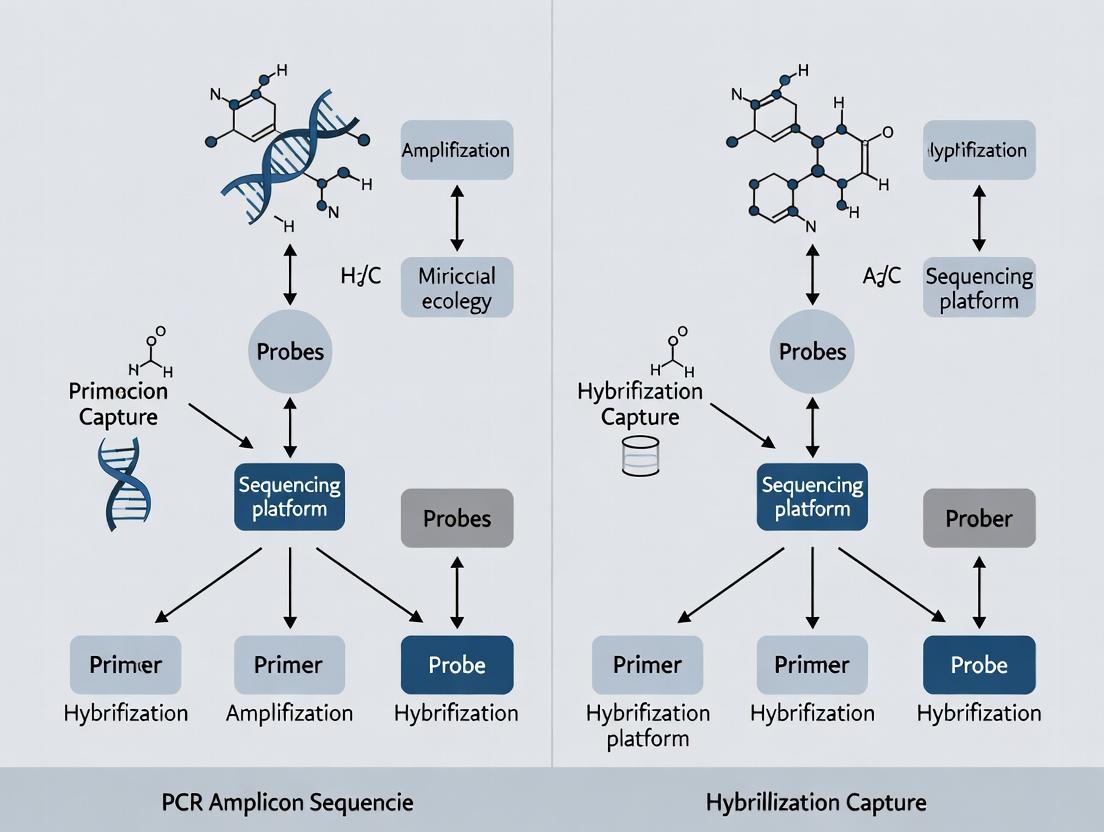
Targeted Sequencing Face-Off: When to Choose PCR Amplicon vs. Hybridization Capture for Precision Variant Detection
This article provides a comprehensive comparison of PCR amplicon sequencing and hybridization capture, the two dominant approaches for targeted next-generation sequencing (NGS) in research and drug development.
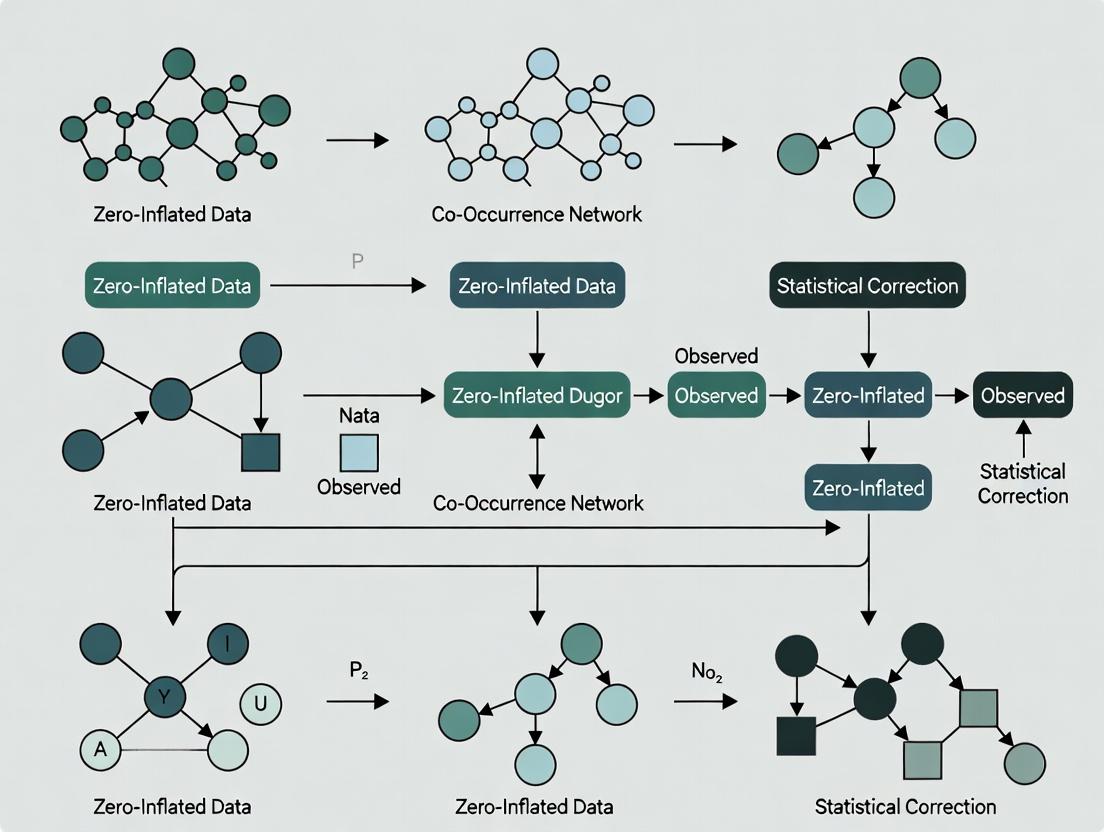
Zero-Inflated Data in Co-Occurrence Networks: Methods, Solutions, and Applications for Biomedical Research
This article provides a comprehensive guide for biomedical researchers and drug development professionals on handling zero-inflated data in co-occurrence network analysis.
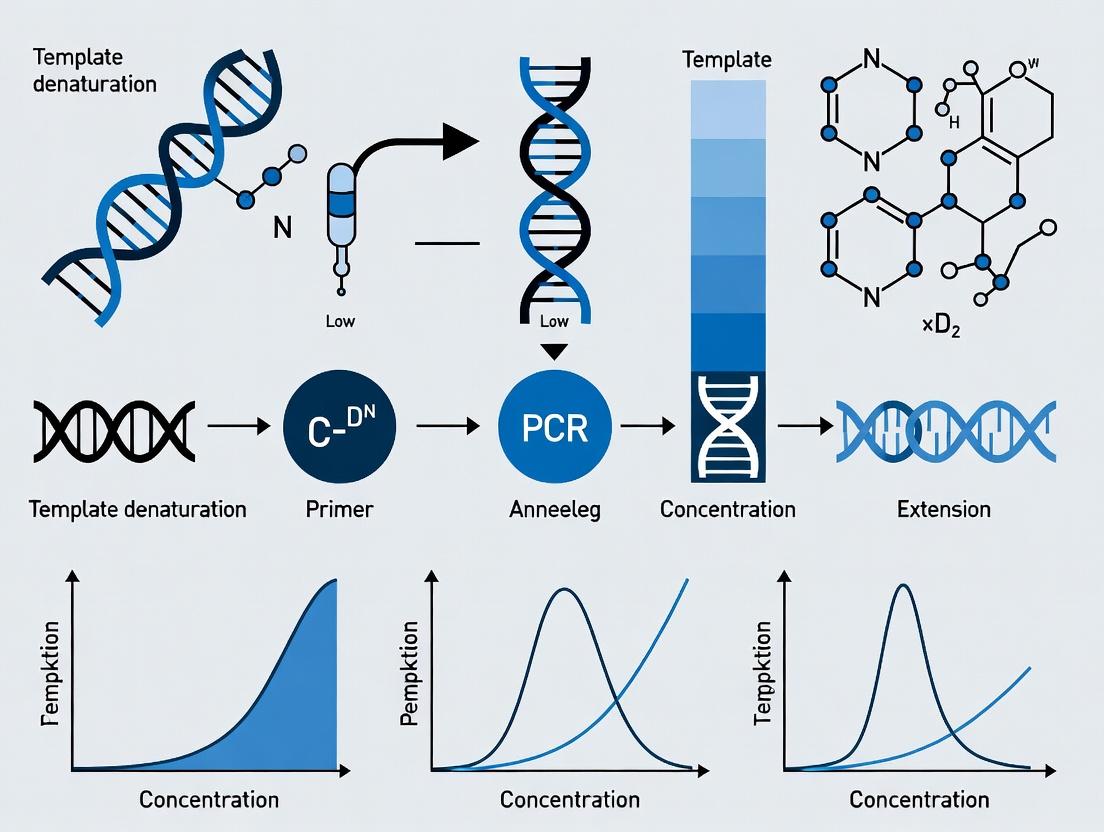
Template Concentration in PCR: The Hidden Driver of Amplification Bias and How to Control It
This article provides a comprehensive analysis of how initial template concentration fundamentally influences PCR amplification bias—a critical but often overlooked factor in quantitative and diagnostic applications.
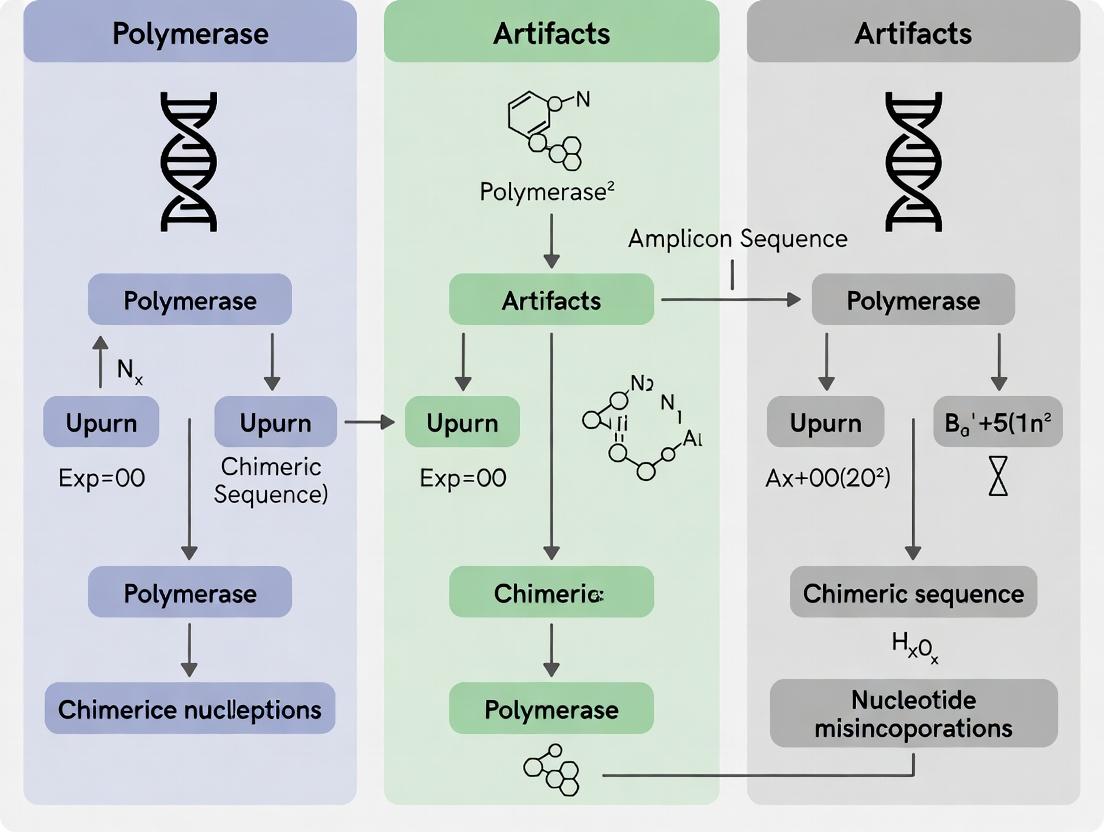
Polymerase Choice in Amplicon Sequencing: A Critical Review of Error Sources, Artifacts, and Best Practices
Amplicon sequencing is fundamental to biomedical research, from microbiome profiling to cancer mutation detection.
Degenerate Primer Bias in 16S rRNA Sequencing: Sources, Impacts, and Mitigation Strategies for Accurate Microbiome Analysis
This article provides a comprehensive analysis of how degenerate primers introduce bias in 16S rRNA gene sequencing, a critical concern for researchers and drug development professionals.
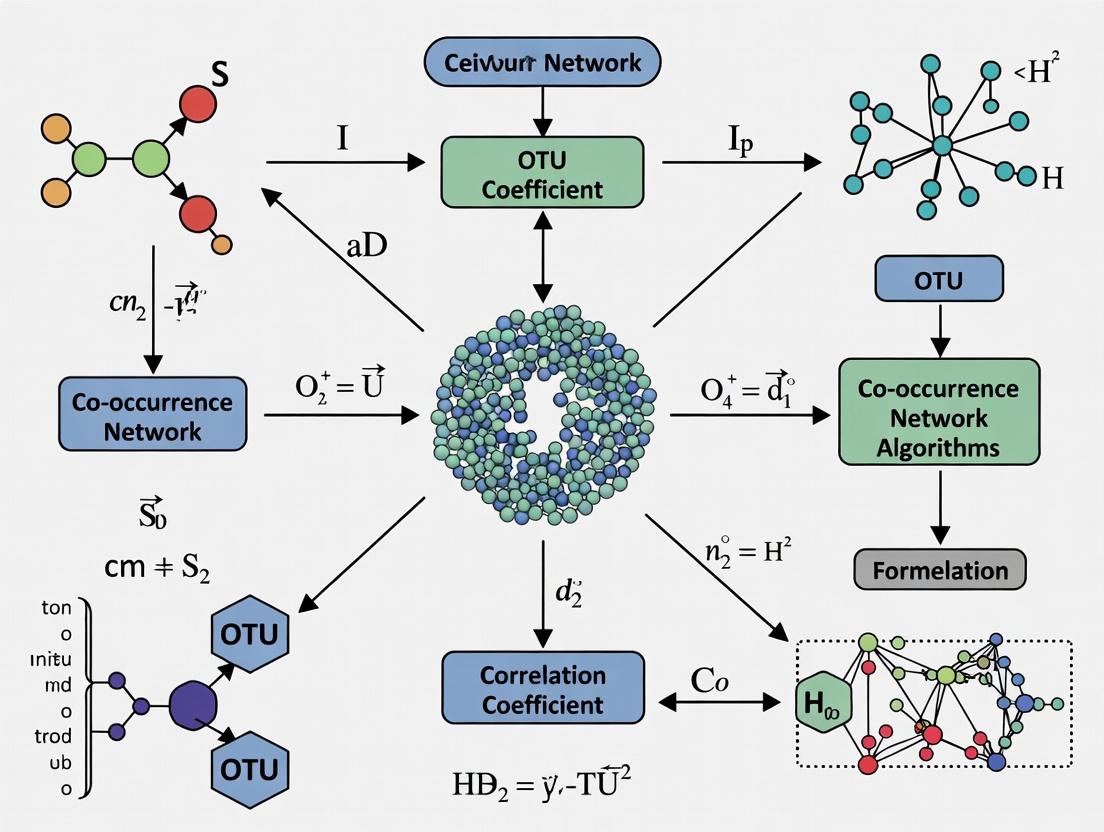
Co-Occurrence Networks Demystified: From Core Algorithms to Biomedical Applications in Omics Research
This comprehensive guide explains the fundamental principles and algorithmic workings of co-occurrence networks, a pivotal tool in systems biology and drug discovery.
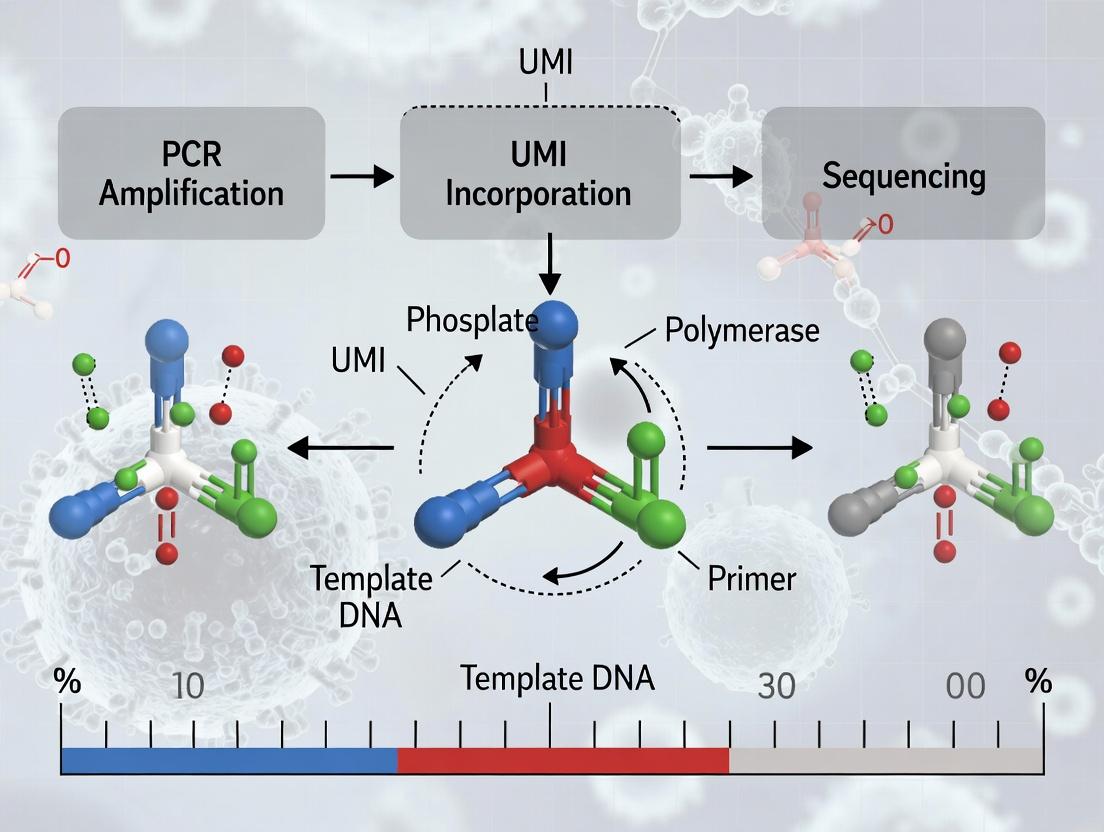
Homotrimeric Nucleotide UMI Design: A Novel Strategy for Ultra-Accurate PCR Error Correction in NGS
This article provides a comprehensive guide to homotrimeric nucleotide Unique Molecular Identifiers (UMIs) for researchers and drug development professionals.
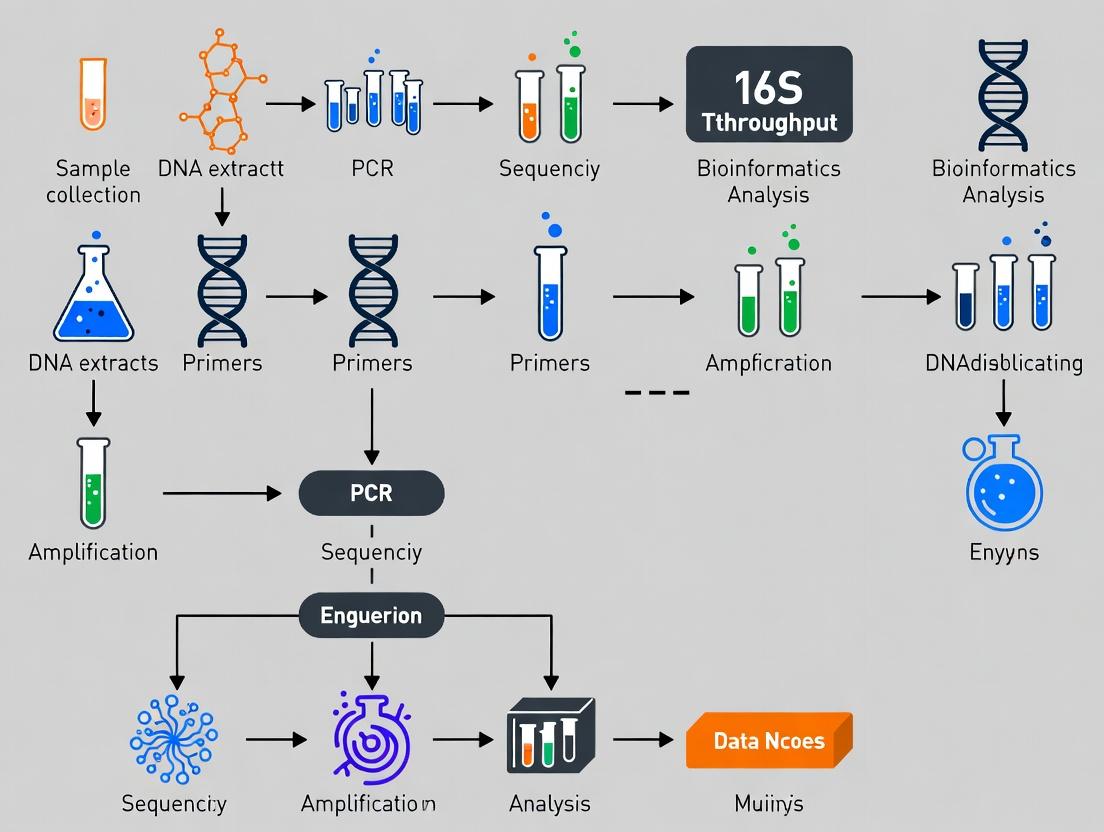
High-Throughput 16S Amplicon Sequencing: A Comprehensive Guide to Optimized Protocols for Researchers
This article provides a detailed guide to high-throughput 16S rRNA gene amplicon sequencing for microbiome analysis.
Beyond the Gap: A Modern Guide to Structural Zeros in High-Dimensional Microbiome Data Analysis
This article provides a comprehensive guide for researchers and biomedical professionals on handling structural zeros—true biological absences—in high-dimensional microbiome datasets.
Overcoming High Sparsity in Microbiome Data: Advanced Strategies for Robust Analysis in Biomedical Research
High sparsity, characterized by a vast majority of zero counts, is an inherent and formidable challenge in real-world microbiome composition data from 16S rRNA and shotgun metagenomic sequencing.