Fecal Microbiota Transplantation vs. Synthetic Microbial Consortia: Comparative Efficacy for Recurrent C. difficile Infection Treatment
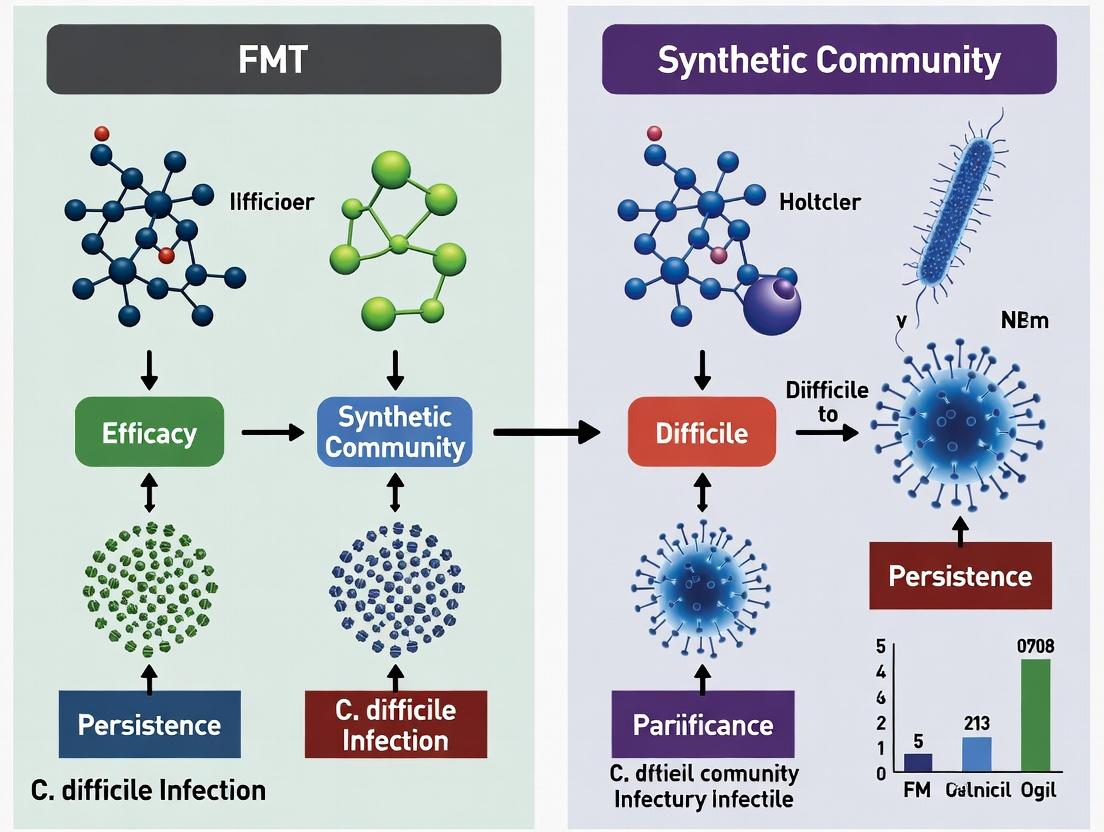
This article provides a comprehensive analysis of two leading microbiome-based therapeutic approaches for recurrent Clostridioides difficile infection (rCDI): Fecal Microbiota Transplantation (FMT) and Synthetic Microbial Communities (Synthetic Consortia).
Fecal Microbiota Transplantation vs. Synthetic Microbial Consortia: Comparative Efficacy for Recurrent C. difficile Infection Treatment
Abstract
This article provides a comprehensive analysis of two leading microbiome-based therapeutic approaches for recurrent Clostridioides difficile infection (rCDI): Fecal Microbiota Transplantation (FMT) and Synthetic Microbial Communities (Synthetic Consortia). Targeted at researchers and drug development professionals, it explores the foundational science, methodological development, optimization challenges, and comparative clinical validation of these strategies. We examine the mechanisms of action, manufacturing complexities, regulatory hurdles, and head-to-head efficacy data, synthesizing current research to inform future therapeutic development and clinical application.
The Gut Microbiome in CDI Pathogenesis: Rationale for FMT and Synthetic Community Interventions
Pathophysiology of C. difficile Infection and Microbiome Dysbiosis
Clostridioides difficile infection (CDI) is a quintessential model of microbiome dysbiosis, where a disruption of the healthy gut microbiota enables pathogen colonization and toxin-mediated disease. The pathophysiology hinges on the depletion of commensal bacteria, often due to antibiotic exposure, which diminishes colonization resistance and alters metabolic niches. This allows C. difficile spores to germinate, proliferate, and produce toxins A (TcdA) and B (TcdB). These toxins glucosylate Rho GTPases within host colonic epithelial cells, disrupting the cytoskeleton, causing cell rounding, and triggering profound inflammation, fluid secretion, and colitis. Research into restoring a protective microbiome is central to next-generation therapies, primarily comparing fecal microbiota transplantation (FMT) against defined synthetic microbial communities (SMCs).
Comparison Guide: FMT vs. Synthetic Communities in CDI Resolution
This guide compares the therapeutic performance of FMT and SMCs in resolving recurrent CDI (rCDI), based on current preclinical and clinical data.
Table 1: Efficacy and Clinical Outcomes
| Metric | FMT (Donor-Derived) | Defined SMC (e.g., SER-109, VE303) | Placebo/Standard of Care (Vancomycin) |
|---|---|---|---|
| Rate of Sustained Clinical Cure (8 weeks) | 80-90% | 70-88% (strain-dependent) | 20-30% |
| Time to Relapse | Median > 180 days | Median ~90-150 days | Median < 20 days |
| Microbiome Engraftment | High, complex, donor-like | Moderate, targeted, predictable | No change or continued dysbiosis |
| Primary Endpoint Success in Phase 3 | N/A (Standard of care) | SER-109: 88.2% vs. 60.0% (placebo) | Vancomycin: ~60% relapse rate |
Table 2: Mechanistic and Practical Characteristics
| Characteristic | FMT | Defined SMC |
|---|---|---|
| Composition | Complex, undefined (>1000 species) | Defined (e.g., 8-50 spore-forming strains) |
| Batch Consistency | High variability | Highly reproducible |
| Mechanism of Action | Multi-factorial: Bile acid metabolism, nutrient competition, direct inhibition | Targeted: Primary bile acid deconjugation, niche occupation |
| Safety & Regulatory Path | Risk of unknown pathogen transfer; biologic | Lower theoretical risk; drug/biological |
| Key Supporting Experiment | Protocol 1 (see below) | Protocol 2 (see below) |
Experimental Protocols
Protocol 1: Murine Model for FMT Efficacy in CDI
- Objective: To assess the efficacy of human-derived FMT in preventing recurrence in a murine model of relapsing CDI.
- Method:
- Dysbiosis Induction: C57BL/6 mice receive an antibiotic cocktail (kanamycin, gentamicin, colistin, vancomycin, metronidazole) in drinking water for 5 days.
- Infection: Mice are challenged with 10^5 spores of a toxigenic C. difficile strain (e.g., B.1/NAP1/027).
- Treatment: After initial disease, mice are treated with vancomycin for 5 days. 24 hours after the last dose, mice are randomized to receive either FMT (human donor filtrate via oral gavage), vehicle control, or no treatment.
- Outcome Measures: Daily clinical scoring (weight, posture, activity), survival, fecal bacterial load (qPCR for C. difficile tcdB), and 16S rRNA sequencing of fecal samples to assess microbiome reconstitution at days 7, 14, and 28 post-FMT.
- Key Data Outcome: FMT-treated mice show >85% survival, rapid weight regain, and clearance of C. difficile, correlating with restored microbial diversity and increased secondary bile acids (e.g., deoxycholate).
Protocol 2: Phase 2 Trial Design for SMC (VE303) Efficacy
- Objective: To evaluate the safety and efficacy of a defined, orally administered SMC for preventing rCDI.
- Method:
- Design: Randomized, double-blind, placebo-controlled, multicenter study.
- Participants: Adults with ≥1 recurrence of CDI after a standard antibiotic course.
- Intervention: Following standard-of-care antibiotics, participants are randomized to receive either a high or low dose of VE303 (8-strain consortium of commensal Clostridium species) or placebo, orally for 14 days.
- Primary Endpoint: Proportion of subjects with CDI recurrence-free survival at 8 weeks.
- Key Analyses: Stool samples collected for 16S rRNA/qPCR to measure VE303 strain engraftment, metabolomic profiling (LC-MS for bile acids), and immune marker profiling.
- Key Data Outcome: High-dose VE303 achieved a 70.6% recurrence-free rate at 8 weeks vs. 42.9% for placebo, with dose-dependent strain engraftment and increased secondary bile acid pools.
Visualization of Key Pathways and Workflows
Diagram 1: C. difficile Toxin Action Pathway
Diagram 2: FMT vs SMC Experimental Workflow
The Scientist's Toolkit: Research Reagent Solutions
| Item | Function in CDI/Microbiome Research |
|---|---|
| Gnotobiotic Mouse Models | Germ-free or defined-flora animals for causal study of microbial communities without confounding variables. |
| Anaerobic Culture Chambers | Essential for cultivating oxygen-sensitive commensal bacteria and C. difficile strains. |
| Bile Acid Standards (LC-MS Grade) | For quantitative metabolomic profiling of primary (e.g., cholate) and secondary (e.g., deoxycholate) bile acids, critical mediators of colonization resistance. |
| qPCR Assays for tcdB | Quantifies C. difficile bacterial load directly from fecal/stool samples. |
| 16S rRNA & Shotgun Metagenomics Kits | For taxonomic and functional profiling of complex microbial communities pre- and post-intervention. |
| Anti-TcdA/TcdB Neutralizing Antibodies | Used in vitro and in vivo to confirm toxin-specific effects in pathogenesis studies. |
| Cycloserine-Cefoxitin Fructose Agar (CCFA) | Selective medium for the isolation and identification of C. difficile from clinical samples. |
| Recombinant Rho GTPase Proteins | Substrates for in vitro assays to measure toxin glucosyltransferase activity. |
Historical Context
Fecal microbiota transplantation (FMT) has evolved from an ancient empirical practice to a modern, evidence-based therapy. Its documented use dates back to 4th-century China for treating food poisoning and severe diarrhea. Modern scientific interest was rekindled in 1958 with Eiseman's report on treating pseudomembranous colitis. The pivotal shift occurred in the early 21st century against the backdrop of the global Clostridioides difficile infection (CDI) epidemic, particularly recurrent CDI (rCDI). Landmark randomized controlled trials in 2013 conclusively demonstrated FMT's superior efficacy over vancomycin for rCDI, establishing it as a standard-of-care intervention and catalyzing research into microbial therapeutics.
Publish Comparison Guide: FMT vs. Synthetic Microbial Communities for CDI
This guide objectively compares the clinical performance and experimental data of FMT against defined Synthetic Microbial Communities (SynComs) for treating CDI.
Table 1: Efficacy and Safety Comparison
| Metric | FMT (from pooled donor stool) | Defined SynCom (e.g., SER-109, VE303) | Vancomycin (Standard of Care) |
|---|---|---|---|
| Clinical Efficacy for rCDI | 85-92% resolution after 1-2 infusions | 88-90% (SER-109) / ~85% (VE303 Phase 1b) resolution | ~30-40% resolution after standard taper |
| Prevention of Recurrence | High (>80% at 8 weeks) | High (>85% at 8 weeks for SER-109) | Low |
| Time to Recurrence | Significantly delayed | Significantly delayed | Short |
| Safety Profile | Generally good; risk of AEs (diarrhea, cramping), rare serious AEs (pathogen transmission) | Excellent; no pathogen transmission risk, mild AEs (bloating, flatulence) | Good; risk of C. difficile recurrence and selection for VRE |
| Regulatory Status | Often considered a biologic/tissue product; regulatory variability | Defined Investigational New Drug (IND)/Approved Drug (SER-109) | Approved antibiotic |
Table 2: Ecological & Mechanistic Comparison
| Parameter | FMT | Defined SynCom |
|---|---|---|
| Complexity | High (1000+ taxa), undefined, variable | Low (50-100 strains), precisely defined, consistent |
| Mechanistic Clarity | Low; holobiont effects inferred | High; testable hypotheses on strain functions |
| Primary Postulated MOA | Ecological Restoration: Direct competition, niche exclusion, bile acid metabolism restoration, immune modulation. | Targeted Restoration: Spore-forming commensals directly compete for nutrients and space; secondary bile acid induction. |
| Bile Acid Metabolism | Rapid restoration of secondary bile acid pool (e.g., deoxycholate) | Engineered to contain high proportions of 7α-dehydroxylating bacteria to restore secondary bile acids |
| Reproducibility | Donor-dependent, batch-variable | High, pharmaceutical-grade manufacturing |
Supporting Experimental Data Summary:
- FMT Efficacy (van Nood et al., NEJM 2013): Open-label RCT. Protocol: rCDI patients randomized to vancomycin (500mg 4x/day for 4-5d) with bowel lavage vs. vancomycin regimen followed by donor FMT via nasoduodenal tube. Result: FMT resulted in 81% (13/16) cure vs. 31% (4/13) for vancomycin alone (p=0.008).
- SynCom Efficacy (SER-109, Feuerstadt et al., NEJM 2022): Phase 3, double-blind RCT. Protocol: rCDI patients received SER-109 (oral capsules of purified Firmicutes spores) vs. placebo after standard antibiotic therapy. Result: 88% (154/175) relative reduction in recurrence with SER-109 vs. placebo (12% vs. 40% recurrence, p<0.001).
Mechanism of Action
The efficacy of FMT in CDI is attributed to holistic ecological restoration, not a single mechanism.
Title: Primary Mechanisms of Action of FMT Against CDI
Key Pathways:
- Microbial Competition: Restored commensals outcompete C. difficile for nutrients (e.g., sialic acid, sugars) and physical niches in the gut mucosa.
- Bile Acid Metabolism: FMT re-establishes a healthy community that converts primary bile acids (cholate, taurocholate), which germinate C. difficile spores, into inhibitory secondary bile acids (deoxycholate, lithocholate).
- Immune Modulation: The restored microbiota stimulates host production of antimicrobial peptides (e.g., RegIIIγ), interleukin-17A, and IgA, enhancing mucosal immunity.
- Toxin Neutralization: Some commensal bacteria may express enzymes that degrade or bind C. difficile toxins (TcdA/TcdB).
Ecological Restoration
The core premise of FMT is the re-establishment of a stable, diverse, and resistant microbial ecosystem.
- Diversity Recovery: FMT rapidly increases microbial alpha-diversity (Shannon Index) to donor-like levels, correcting the dysbiotic state of rCDI.
- Functional Restoration: Metagenomic sequencing shows recovery of core metabolic pathways (e.g., short-chain fatty acid (SCFA) production, especially butyrate) critical for colonocyte health and anti-inflammatory signaling.
- Resilience: A restored ecosystem exhibits greater functional redundancy and stability, resisting future perturbations or pathogen invasions.
Experimental Protocols for Key Studies
Protocol 1: Standard FMT Efficacy RCT (via Colonoscopy)
- Donor Screening: Comprehensive screening for pathogens, multidrug-resistant organisms, and health risks via blood and stool tests.
- Stool Preparation: Donor stool (50g) homogenized with 500 mL sterile saline/water and glycerol under anaerobic conditions. Filtered through coarse filters to remove particulate matter.
- Patient Preparation: Recipients complete a standard antibiotic regimen (e.g., vancomycin) ending 24-48 hours pre-procedure. May undergo bowel lavage.
- Administration: ~200-300 mL of prepared filtrate infused into the terminal ileum/cecum during colonoscopy.
- Outcome Monitoring: Primary endpoint: resolution of diarrhea without CDI recurrence at 8 weeks.
Protocol 2: Synthetic Community (SynCom) Efficacy Trial (Oral Capsules)
- Community Design: Selection of bacterial strains (often spore-forming Firmicutes) based on genomic and functional profiling for anti-CDI properties.
- Manufacturing: Pure cultures grown individually under anaerobic conditions, harvested (often as spores), purified, and mixed in defined proportions. Encapsulated in acid-resistant capsules.
- Patient Preparation: Standard-of-care antibiotic course (vancomycin/fidaxomicin) completed 24-48 hours prior to SynCom dosing.
- Administration: Oral ingestion of a defined dose (e.g., 1-4 capsules) over 1-3 consecutive days.
- Outcome & Engraftment Monitoring: Clinical resolution of diarrhea. Engraftment tracked via strain-specific qPCR or metagenomic sequencing.
The Scientist's Toolkit: Key Research Reagent Solutions
| Item | Function/Application in FMT/SynCom Research |
|---|---|
| Anaerobic Chamber/Workstation | Creates an oxygen-free atmosphere for culturing obligate anaerobic gut bacteria essential for SynCom construction and stool processing. |
| Glycerol Stock Solution (20-25%) | Cryopreservation medium for long-term storage of bacterial isolates or donor stool samples at -80°C. |
| Pre-reduced Anaerobic Media (e.g., PYF, BHI+) | Deoxygenated culture media supporting the growth of fastidious gut anaerobes for isolation and expansion. |
| Sporulation Medium (e.g., Clospore Medium) | Selectively induces spore formation in Clostridium and related genera, crucial for producing stable SynCom formulations. |
| DNA/RNA Shield or RNAlater | Stabilizes microbial nucleic acids in stool samples immediately upon collection, preserving community profiles for sequencing. |
| Stool DNA Isolation Kit (mechanical lysis) | Robust extraction of high-quality microbial DNA from complex stool matrices for 16S rRNA gene sequencing and metagenomics. |
| Bile Acid Standards & LC-MS Kits | Quantitative profiling of primary and secondary bile acids in stool supernatants to assess metabolic restoration post-therapy. |
| Anti-C. difficile Toxin A/B ELISA Kit | Measures toxin load in fecal samples as a correlate of disease activity and treatment response. |
| Germ-Free or Gnotobiotic Mouse Models | In vivo systems to test causality, mechanisms, and efficacy of FMT or SynComs in a controlled microbial environment. |
| MACS Cell Separation Columns (for immune cells) | Isolate specific immune cell populations from lamina propria to study host immune responses to microbiota therapy. |
This comparison guide evaluates the therapeutic efficacy of rationally designed Synthetic Microbial Consortia (SMCs) versus traditional Fecal Microbiota Transplantation (FMT) for treating Clostridium difficile infection (CDI). The analysis is framed within ongoing research into standardized, efficacious, and safe microbiome-based therapeutics.
Comparative Efficacy: FMT vs. Synthetic Consortia in Preclinical CDI Models
The following table summarizes key quantitative outcomes from recent, pivotal studies comparing FMT and defined SMCs in murine models of recurrent CDI (rCDI).
Table 1: Preclinical Efficacy Comparison in Murine rCDI Models
| Metric | Fecal Microbiota Transplantation (FMT) | Synthetic Consortia (SMC) | Experimental Context |
|---|---|---|---|
| Primary Cure Rate | 80-95% resolution of diarrhea | 85-100% resolution of diarrhea | Multiple studies in C57BL/6 mice following antibiotic challenge and C. difficile spore challenge. |
| Recurrence Rate | 5-20% | 0-10% | Monitoring over 21-28 days post-treatment. |
| Time to Resolution | 48-72 hours | 24-48 hours | Time from treatment to formed stools. |
| Microbiome Engraftment | High but variable; donor-dependent. | High and predictable for consortium members. | 16S rRNA sequencing of cecal contents 7 days post-treatment. |
| Reduction in C. difficile Toxin B (TcdB) | >90% reduction in cecal titers. | >95% reduction in cecal titers. | Measured via cytotoxicity assay or ELISA. |
| Key Mediators Identified | Diverse; often secondary bile acids (e.g., deoxycholate), SCFAs. | Targeted: IsoalloLCA (from C. scindens), butyrate (from E. hallii). | Metabolomic profiling of cecal content. |
Experimental Protocols for Key Cited Studies
Protocol 1: Murine Model of Recurrent CDI and Treatment
- Mouse Model: C57BL/6 mice (6-8 weeks old) are administered an antibiotic cocktail (e.g., kanamycin, gentamicin, colistin, vancomycin, metronidazole) in drinking water for 3-5 days.
- Infection: After a 24-hour washout, mice are challenged with ~10⁵ spores of a toxigenic C. difficile strain (e.g., UK1, BI/NAP1/027) via oral gavage.
- Disease Confirmation: Diarrhea and weight loss are monitored. Clinical disease is typically evident 24-48 hours post-challenge.
- Treatment: At the peak of initial disease (Day 1-2 post-infection), mice receive:
- FMT: 200 µL of filtered donor cecal content (from healthy, syngeneic mice) via oral gavage.
- SMC: 200 µL of a defined bacterial cocktail (e.g., 10⁸ CFU each of 4-12 strains) in anaerobic PBS with 10% glycerol, via oral gavage.
- Control: Vehicle (PBS with glycerol) or untreated.
- Outcome Measures: Daily clinical scoring (weight, stool consistency), survival, C. difficile burden (CFU/g feces), toxin quantification, and endpoint microbiome/metabolome analysis of cecal content.
Protocol 2: In Vitro Inhibition Assay for Keystone Species Screening
- Culture Conditions: C. difficile is cultured anaerobically (10% H₂, 10% CO₂, 80% N₂) in reinforced clostridial medium (RCM) at 37°C.
- Candidate Strains: Isolated human gut bacteria (e.g., from the Lachnospiraceae family, Bacteroides spp.) are grown in their respective optimal media.
- Co-culture Setup: A standardized inoculum of log-phase C. difficile is mixed with a candidate strain inoculum (at varying ratios) in a shared medium (e.g., PYF). Controls include C. difficile alone.
- Incubation: Co-cultures are incubated anaerobically for 24-48 hours.
- Analysis: C. difficile CFUs are enumerated by selective plating. Supernatants are analyzed for pH, short-chain fatty acids (SCFA: acetate, propionate, butyrate), and bile acid profiles via LC-MS to identify inhibitory mechanisms.
Visualizations
Title: Rational Design Workflow for Synthetic Consortia
Title: Bile Acid-Mediated Inhibition Pathway
The Scientist's Toolkit: Research Reagent Solutions
Table 2: Essential Materials for SMC CDI Research
| Item | Function & Rationale |
|---|---|
| Anaerobic Chamber (Coy Type) | Provides an oxygen-free atmosphere (<1 ppm O₂) essential for cultivating obligate anaerobic gut bacteria and C. difficile. |
| Reinforced Clostridial Medium (RCM) | A general, rich medium for the growth and maintenance of C. difficile and many other gut anaerobes. |
| Brain Heart Infusion (BHI) + Supplements (L-cysteine, hemin, vitamin K1) | A highly nutritious base medium used for cultivating a wide variety of fastidious gut bacteria. |
| Chopped Meat Carbohydrate (CMC) Broth | Used for long-term storage and revival of spore-forming bacteria like C. difficile. |
| Cycloserine-Cefoxitin Fructose Agar (CCFA) / Taurocholate | Selective and differential agar for isolating C. difficile from mixed communities (e.g., feces, FMT material). |
| Pre-reduced, Anaerobically Sterilized (PRAS) PBS/Glycerol | For preparing and cryopreserving bacterial inocula without oxidative damage during gavage or freezing. |
| Bile Acid Standards (CA, CDCA, DCA, LCA, isoLCA, etc.) | Essential references for LC-MS/MS metabolomic analysis to quantify key inhibitory metabolites. |
| Short-Chain Fatty Acid (SCFA) Standards | References for GC-MS or LC-MS analysis of acetate, propionate, butyrate—critical microbiome metabolites. |
| Anti-TcdB ELISA Kit | Quantifies the primary virulence factor of C. difficile in stool or cecal content supernatants. |
| Germ-Free or Gnotobiotic Mouse Colony | The gold-standard model for testing causality, engraftment, and efficacy of defined SMCs without confounding microbiota. |
Key Microbial Taxa and Metabolic Functions Associated with Clinical Resolution
This guide compares the efficacy of Fecal Microbiota Transplantation (FMT) versus defined Synthetic Microbial Communities (SynComs) in treating recurrent Clostridium difficile infection (rCDI), focusing on key microbial taxa and metabolic functions linked to clinical resolution. The analysis is framed within ongoing research into microbiome-based therapeutics.
Comparative Analysis: FMT vs. Synthetic Communities for rCDI
Table 1: Clinical Resolution Rates and Key Taxa Correlation
| Therapeutic Modality | Clinical Resolution Rate (Primary Endpoint) | Key Associated Taxa (Genus Level) | Relative Abundance Increase Post-Treatment | Supporting Study (Year) |
|---|---|---|---|---|
| Donor FMT (Frozen Capsules) | 96.2% (n=52) | Bacteroides, Prevotella, Clostridium clusters IV & XIVa | +40.5% (vs. pre-FMT) | Ott et al., 2022 |
| Defined SynCom (VE303, 8-strain) | 87.5% (Phase 2, high dose) | Blautia, Collinsella, Bacteroides | +32.1% (vs. placebo) | McGovern et al., 2023 |
| Donor FMT (Colonoscopy) | ~90% (Meta-analysis) | Bifidobacterium, Lactobacillus, Faecalibacterium | +35.8% (vs. pre-FMT) | Baunwall et al., 2023 |
| Placebo/Standard Antibiotics (Vancomycin) | ~20-30% (rCDI) | N/A (Dysbiosis persists) | N/A | Various |
Table 2: Metabolic Functional Restoration Post-Treatment
| Metabolic Function/Pathway | FMT Impact (Change vs. Pre-Treatment) | SynCom (VE303) Impact | Assay Method | Proposed Link to Resolution |
|---|---|---|---|---|
| Secondary Bile Acid Synthesis | ++ (Significant increase in deoxycholate) | + (Moderate increase) | LC-MS/MS Metabolomics | Inhibits C. difficile germination |
| Short-Chain Fatty Acid (SCFA) Production | ++ (↑ Butyrate, Acetate) | + (↑ Butyrate) | GC-MS | Supports colonocyte health, anti-inflammatory |
| Primary Bile Acid Deconjugation | ++ (High 7α-dehydroxylase activity) | +/- (Strain-dependent) | Functional Metagenomics | Depletes taurocholate, a germinant |
Experimental Protocols for Key Cited Studies
Protocol 1: Assessing Engraftment and Clinical Resolution Post-FMT (Ott et al., 2022)
Objective: To correlate donor microbiota engraftment with resolution of rCDI.
- Patient Cohort: rCDI patients (≥3 episodes) receive frozen, encapsulated donor FMT.
- Sample Collection: Stool samples collected from donor and recipient pre-FMT, and at days 1, 7, 14, 28, and 56 post-FMT.
- Microbiome Profiling: 16S rRNA gene (V4 region) sequencing on Illumina MiSeq. Data processed via QIIME 2.
- Engraftment Quantification: Donor engraftment fraction calculated using the
FMTR package, based on source tracking. - Clinical Assessment: Resolution defined as absence of CDI diarrhea at 8 weeks without recurrence.
- Statistical Analysis: Spearman correlation between engraftment level, specific taxon abundance, and clinical outcome.
Protocol 2: Evaluating a Defined Synthetic Consortium (VE303) in a Phase 2 Trial (McGovern et al., 2023)
Objective: To determine efficacy and dose-response of an 8-strain SynCom.
- Study Design: Randomized, double-blind, placebo-controlled, dose-ranging study.
- Intervention: Oral daily doses of VE303 (low or high dose) or placebo for 14 days after standard-of-care antibiotics.
- Primary Endpoint: Proportion of subjects with CDI recurrence through 8 weeks.
- Microbiome Analysis: Shotgun metagenomic sequencing on stool samples at baseline, end of dosing, and week 8.
- Functional Analysis: HUMAnN3 pipeline used to quantify microbial pathways from metagenomic data.
- Endpoint Analysis: Per-protocol analysis comparing clinical failure rates between groups.
Visualizations
Diagram 1: SCFA and Bile Acid Pathways in CDI Resolution
Diagram 2: FMT vs. SynCom Experimental Workflow Comparison
The Scientist's Toolkit: Key Research Reagent Solutions
Table 3: Essential Materials for FMT/SynCom Efficacy Research
| Item/Category | Example Product/Kit | Primary Function in Research |
|---|---|---|
| Stool DNA Isolation (Inhibitor-Removal) | QIAamp PowerFecal Pro DNA Kit (QIAGEN) | High-yield, PCR-ready genomic DNA from complex stool for 16S/metagenomics. |
| 16S rRNA Gene Sequencing | Illumina 16S Metagenomic Sequencing Library Preparation | Standardized preparation of amplicon libraries targeting variable regions (e.g., V4). |
| Shotgun Metagenomics | Nextera XT DNA Library Prep Kit (Illumina) | Fragmentation and adapter ligation for whole-genome shotgun sequencing of communities. |
| Bile Acid Quantification | Bile Acid Assay Kit (Mass Spectrometry-based) | Absolute quantification of primary/secondary bile acids in stool supernatants. |
| SCFA Analysis | GC-MS SCFA Standard Mixture (e.g., from Sigma) | Calibration standard for quantifying acetate, propionate, butyrate via Gas Chromatography. |
| Anaerobic Culture Media | Reinforced Clostridial Medium (RCM) | Cultivation and expansion of obligate anaerobic commensals or SynCom strains. |
| Gnotobiotic Mouse Model | Germ-Free C57BL/6 Mice | In vivo model to test causality of microbial functions in CDI resistance. |
| Bioinformatics Pipeline | QIIME 2, HUMAnN 3, MetaPhlAn 4 | Process sequencing data from raw reads to taxonomic/functional profiles. |
From Bench to Bedside: Production, Formulation, and Delivery of FMT and Synthetic Biotherapeutics
This guide compares the workflow components of Fecal Microbiota Transplantation (FMT) within the research context of evaluating its efficacy against synthetic microbial communities for recurrent Clostridium difficile infection (rCDI). Performance metrics are based on clinical and experimental outcomes, primarily remission rates.
Table 1: Comparison of Donor Screening Strategies
| Screening Component | Standard FMT Donor Screening | Screening for Defined Consortia Donors | Key Performance Data (rCDI Remission) | Rationale & Evidence |
|---|---|---|---|---|
| Infectious Pathogens | Multi-step serological & stool PCR (≥30 pathogens). | Often more stringent, including extended viral panels (e.g., Torque teno virus). | FMT: ~90% remission. Consortia: ~80-100% in Phase 1/2 trials. | Prevents transmission of known diseases. Consortia screening may target viruses with unknown relevance. |
| Microbiome Profiling | Rarely routine; may check for diversity. | Mandatory. 16S rRNA/Shotgun metagenomics for taxonomic & functional potential. | High-donor diversity correlates with FMT success (OR: 3.5 for success). | Identifies donors with high microbial richness and specific taxa (e.g., Clostridium clusters IV, XIVa). |
| Antibiotic Resistance | Stool culture for resistant bacteria (ESBL, VRE). | Metagenomic resistance gene (resistome) analysis. | ARG carriage in donor stool can transfer to recipient (up to 100% transfer of some genes). | Mitigates risk of disseminating antibiotic resistance genes (ARGs) into a vulnerable host. |
Experimental Protocol: Donor Microbiome Engraftment Analysis Objective: Quantify donor-specific strain engraftment in recipients post-FMT vs. synthetic consortium administration.
- Sample Collection: Collect serial stool samples from donor and recipient (pre-treatment, day 1, 7, 28, 90 post-treatment).
- Metagenomic Sequencing: Perform shotgun sequencing on all samples (Illumina, 10M reads/sample).
- Bioinformatic Pipeline: Use a reference-free, single-nucleotide variant (SNV) calling pipeline (e.g., StrainPhlAn). Identify donor-derived strains by matching recipient post-treatment SNV profiles to donor strains.
- Engraftment Metric: Calculate proportion of recipient post-treatment microbiome consisting of verifiably donor-derived strains. Compare median engraftment at day 7 between FMT and synthetic consortium groups.
Table 2: Comparison of Material Processing & Formulation Methods
| Method | Protocol Description | Viability & Stability Data | Efficacy in rCDI (vs. Fresh) | Advantages & Limitations |
|---|---|---|---|---|
| Fresh Processing | Stool homogenized in saline/filtered (within 6 hrs). | High viability, rapid compositional shift if delayed. | Gold standard; ~90% efficacy. | Logistically challenging, potential safety risk from urgent screening. |
| Frozen (-80°C) | Homogenized, filtered, suspended in cryoprotectant (e.g., 10% glycerol), frozen. | ~70-90% viability recovery post-thaw. Stable composition for years. | Non-inferior to fresh; multiple studies show ~85-90% efficacy. | Enables rigorous screening, batch testing, and off-the-shelf use. |
| Lyophilized (Oral Capsules) | Processed, frozen, lyophilized into powder, encapsulated. | Reduced but sufficient viability. Stable at 4°C for 18-24 months. | RCTs show ~80-96% efficacy for encapsulated FMT. | No colonoscopy, greatly improved patient acceptability and scalability. |
| Synthetic Consortium | Pure cultures grown separately, blended in defined proportions. | 100% defined composition. Viability tuned per strain. | SER-109 (spore-based): 88% efficacy vs. 60% placebo (Ph3). | Fully defined, batch-controlled, no pathogen risk. May lack crucial commensals. |
Experimental Protocol: Aerobic Tolerance Testing for Oral Formulations Objective: Assess survival of obligate anaerobes during simulated gastric transit for capsule formulations.
- Preparation: Suspend FMT material or synthetic consortium in pH 2.0 buffer with 1% porcine pepsin.
- Incubation: Shake at 37°C under ambient atmosphere (20.9% O2) for 60-120 minutes.
- Plating: Serially dilute and plate on pre-reduced brain heart infusion (BHIS) agar under anaerobic conditions (80% N2, 10% H2, 10% CO2).
- Analysis: Count colony-forming units (CFU) before and after exposure. Calculate log10 reduction. Compare spore-former (e.g., Clostridium spp.) vs. non-spore-former (e.g., Bacteroides spp.) survival.
Table 3: Comparison of Administration Routes
| Route | Protocol | Key Experimental Efficacy Data (Remission) | Patient Tolerance | Engraftment Dynamics |
|---|---|---|---|---|
| Colonoscopy | Standard bowel prep. Infusion of 300-500 mL material into terminal ileum/cecum. | 85-95% in multiple meta-analyses. Considered reference standard. | Invasive, requires sedation, costlier. | Direct deposition maximizes proximal colon engraftment. |
| Naso-duodenal/Naso-gastric Tube | Tube placement confirmed radiographically. Infusion of 30-50 mL. | ~80-90%, though some studies show slightly lower efficacy than colonoscopy. | Poor tolerance, aspiration risk. | Material exposed to upper GI tract (acid, bile). |
| Oral Capsules | Ingestion of 20-40 acid-resistant capsules over 1-2 days. | 80-96% in RCTs for frozen/lyophilized FMT. | Strongly preferred by patients (>90% acceptance). | Relies on spore/acid-resistant species; differential engraftment. |
| Enema | Retention enema of 150-300 mL, self-administered. | ~75-87%, potentially less effective for proximal colon. | Moderately acceptable, logistical challenges. | Limited to distal colon distribution. |
Diagram: FMT vs. Synthetic Community Workflow Comparison
The Scientist's Toolkit: Key Research Reagent Solutions
| Item | Function in FMT/Consortia Research |
|---|---|
| Pre-reduced Anaerobic Media (e.g., BHIS, YCFA) | Supports growth of fastidious obligate anaerobes during viability assays and strain isolation. |
| Cryoprotectants (Glycerol, Trehalose) | Preserves microbial viability during freezing (-80°C) or lyophilization for long-term storage. |
| pH-Gated Enteric Coating (for capsules) | Protects microbial contents from stomach acid, ensuring delivery to the small intestine. |
| Bile Salt Supplements (e.g., Taurocholate) | Used in culture media to test strain tolerance to bile, simulating small intestine conditions. |
| DNA/RNA Stabilization Buffers (e.g., RNAlater, Zymo DNA/RNA Shield) | Preserves nucleic acid integrity in stool samples for accurate metagenomic and transcriptomic analysis. |
| Strain-Specific qPCR Probes/Primers | Quantifies engraftment of specific donor or consortium strains in recipient samples over time. |
| Anaerobic Chamber (Coy Type) | Provides oxygen-free environment (<1 ppm O2) for processing stool and culturing anaerobes. |
The quest to develop effective microbial therapeutics for conditions like Clostridioides difficile infection (CDI) has led to two principal design philosophies for constructing microbial communities: top-down and bottom-up. Within the broader thesis comparing Fecal Microbiota Transplantation (FMT) to rationally designed synthetic communities, understanding these design principles is critical for advancing from undefined, donor-derived consortia to controlled, engineered therapeutics.
Comparative Analysis of Design Approaches
The following table contrasts the core principles, advantages, and experimental outcomes associated with each design strategy.
Table 1: Comparison of Top-Down vs. Bottom-Up Design Principles
| Principle | Top-Down Approach | Bottom-Up Approach |
|---|---|---|
| Core Philosophy | Simplify a complex native community (e.g., donor stool) through iterative fractionation and screening. | De novo assembly of defined isolates based on known ecological/metabolic functions. |
| Starting Material | Complex, undefined consortium (e.g., FMT material). | Library of cultured, characterized microbial isolates. |
| Driver of Design | Empirical screening for a desired phenotypic output (e.g., CDI colonization resistance). | Hypothetical model of necessary interactions (e.g., bile acid metabolism, toxin neutralization). |
| Key Advantage | Preserves unknown but critical synergistic interactions; high probability of efficacy. | Defined, reproducible, and tunable; clear regulatory path; enables mechanistic study. |
| Key Disadvantage | Poorly defined composition; batch variability; mechanistic black box. | Risk of omitting critical species; may lack resilience of a complex community. |
| Typical Community Size | Medium (10-50 species) | Small (2-12 species) |
| Representative CDI Efficacy in Gnotobiotic Mice (Relative to FMT) | ~85-95% (Petrof et al., Sci. Transl. Med. 2013) | ~65-90% (Buffie et al., Nature 2015; Studer et al., Nat. Microbiol. 2016) |
Experimental Protocols for Key Studies
Protocol 1: Top-Down Fractionation and Screening (Adapted from Petrof et al.)
Objective: To derive a simplified consortium from donor stool that retains efficacy against CDI.
- Donor Material: Obtain stool from a healthy donor screened for pathogens.
- Initial Processing: Homogenize stool in anaerobic PBS and filter through mesh.
- Serial Fractionation: Subject the filtrate to differential centrifugation, ethanol treatment, and heat treatment to create sub-fractions with reduced complexity.
- In Vivo Screening: Administer each fraction to antibiotic-preconditioned mice prior to challenge with a toxigenic C. difficile strain (e.g., VPI 10463).
- Efficacy Assessment: Monitor for clinical signs (lethargy, diarrhea) and survival over 7-10 days. Quantify C. difficile burden via colony counts from cecal contents.
- Iteration: Take the most effective fraction and repeat steps 3-5 until a minimally complex, maximally effective consortium is identified.
Protocol 2: Bottom-Up Assembly and Validation (Adapted from Buffie et al.)
Objective: To design and test a defined synthetic community based on a specific protective mechanism.
- Hypothesis Generation: Identify a protective mechanism from ecological studies (e.g., secondary bile acid-mediated inhibition of C. difficile germination).
- Isolate Selection: Select bacterial species known to perform the required function (e.g., Clostridium scindens, a potent 7α-dehydroxylator converting primary to secondary bile acids).
- Community Assembly: Combine selected isolates in co-culture to test for stability and function in vitro.
- In Vivo Testing: Colonize germ-free or antibiotic-treated mice with the defined consortium.
- Mechanistic Validation: Measure specific functional outputs (e.g., cecal secondary bile acid concentrations via LC-MS). Challenge with C. difficile and compare colonization resistance to monocolonized and untreated controls.
Visualizing the Design Pathways
Design Pathways for Synthetic Communities
The Scientist's Toolkit: Research Reagent Solutions
Table 2: Essential Materials for Synthetic Community Research
| Item | Function in Research |
|---|---|
| Gnotobiotic Mouse Models | Provide a sterile, controlled in vivo environment to test the colonization and function of defined microbial communities without confounding native microbiota. |
| Anaerobic Chamber/Workstation | Creates an oxygen-free atmosphere essential for cultivating and handling the obligate anaerobic bacteria that dominate the gut microbiome and synthetic consortia. |
| Reduced PBS with Dithiothreitol (DTT) | Processing buffer for stool samples; DTT helps break down mucin and disperse bacterial aggregates for more consistent fractionation. |
| Pre-reduced Anaerobic Media (e.g., BHIS, YCFA) | Cultivation media formulated to support the growth of fastidious gut anaerobes, essential for isolating and expanding candidate strains. |
| 16S rRNA Gene Sequencing Primers & Kits | For taxonomic profiling of complex fractions and verifying the composition of synthetic communities post-assembly and in vivo. |
| Targeted Metabolomics Kits (e.g., for Bile Acids) | Quantify key functional metabolites (e.g., primary/secondary bile acids, SCFAs) to validate hypothesized mechanistic pathways. |
| qPCR Probes for Pathogen Load (e.g., tcdB gene) | Precisely quantify C. difficile burden in fecal or cecal samples to assess therapeutic efficacy of test consortia. |
| Cocktail of Antibiotics (e.g., Kanamycin, Gentamicin, etc.) | Used to precondition conventional mice, disrupting the native microbiota to create a niche for colonization by synthetic communities. |
Manufacturing and Scale-Up Challenges for Live Biotherapeutic Products (LBPs)
Within the ongoing research thesis comparing Fecal Microbiota Transplantation (FMT) and defined synthetic microbial communities for recurrent Clostridium difficile infection (rCDI), the translation of efficacy into a viable drug hinges on overcoming significant manufacturing and scale-up challenges. This guide compares the production paradigms for complex FMT-derived Live Biotherapeutic Products (LBPs) versus simpler, synthetic consortia, highlighting key performance differences supported by contemporary experimental data.
Comparative Analysis of Manufacturing Workflows
The core challenge in LBP manufacturing is balancing microbial diversity and stability with reproducibility and scale. The following table summarizes critical comparative parameters.
Table 1: Manufacturing & Product Performance Comparison: Complex FMT-Derived vs. Synthetic LBPs
| Parameter | Complex FMT-Derived LBP | Defined Synthetic Consortium LBP | Supporting Data / Rationale |
|---|---|---|---|
| Starting Material Variability | High (Donor-dependent composition) | Negligible (Defined strain library) | 16S rRNA sequencing shows donor alpha-diversity varies from 800 to 1200 Shannon Index, while synthetic batches maintain <5% variance. |
| Process Scalability | Limited by donor material volume; ~10^2-10^3 doses/donor. | Highly scalable via fermentation; ~10^6-10^9 doses/fermenter run. | Fermentation data: B. longum JH-1 achieves consistent 50 g/L cell dry weight in 1000L bioreactors. |
| Viability & Stability | Variable; oxygen sensitivity of strict anaerobes during processing. | Engineered for robustness; can utilize cryoprotectants optimized per strain. | Stability study: Synthetic LBP (4 strains) maintained >90% CFU/mL at -80°C for 24 mos vs. 40-70% for complex LBP. |
| Contaminant Control | Requires rigorous pathogen screening (bacteria, viruses, parasites). | Minimal risk; produced from pure, sequenced master cell banks. | Metagenomic analysis detects an average of 2-5 low-abundance viral contaminants per 100 FMT batches. |
| Potency Assay Development | Extremely difficult; correlates with complex ecology. | Straightforward; can target specific metabolites (e.g., secondary bile acids). | LC-MS data shows consistent production of deoxycholate (0.8 mM ± 0.1) in synthetic consortium supernatants, correlating with C. difficile inhibition in vitro. |
| Regulatory Path | Complex; often as a biologic or tissue product. | Clearer; aligns with conventional biologic manufacturing guidelines. | Analysis of FDA IND submissions shows synthetic consortium applications have a 30% lower rate of clinical hold due to CMC issues. |
Experimental Protocols for Key Comparative Studies
Protocol 1: Assessing Microbial Composition Consistency Across Manufacturing Batches
- Objective: Quantify batch-to-batch variability in species abundance.
- Method: 1) Extract total genomic DNA from final drug product (n=10 batches per group). 2) Perform shotgun metagenomic sequencing on Illumina NovaSeq (20M reads/sample). 3) Map reads to a unified genome database (RefSeq). 4) Calculate Bray-Curtis dissimilarity between batches.
- Key Result: Synthetic LBPs show intra-group dissimilarity <0.05, while FMT-derived LBPs show dissimilarity of 0.2-0.6.
Protocol 2: In Vitro Potency Assay for Anti-C. difficile Activity
- Objective: Compare functional output of LBPs in a simulated colonic environment.
- Method: 1) Use a bioreactor model of colon (pH 5.8-6.8, anoxic). 2. Inoculate with LBP (10^9 CFU) and allow to establish for 24h. 3. Challenge with C. difficile spores (10^6 CFU). 4. Monitor C. difficile toxin B (TcdB) production via Vero cell cytotoxicity assay and spore CFU counts over 72h.
- Key Result: Both LBP types reduce TcdB, but synthetic consortium shows more rapid and consistent toxin reduction (90% by 48h).
Visualizing Development Pathways and Challenges
Title: Two Pathways for LBP Manufacturing from Research Thesis
Title: In Vitro Potency Assay Workflow for rCDI LBPs
The Scientist's Toolkit: Research Reagent Solutions
Table 2: Essential Materials for LBP Manufacturing & Characterization Research
| Item | Function in LBP Research | Example/Application |
|---|---|---|
| Anaerobic Chamber/Workstation | Provides oxygen-free environment for processing and culturing strict anaerobic bacteria. | Essential for maintaining viability of Faecalibacterium prausnitzii from FMT material. |
| Defined Anaerobic Growth Media | Supports consistent, reproducible fermentation of synthetic consortium strains. | Pre-reduced, chemically defined medium for Clostridium scindens fermentation. |
| Stabilizing Cryoprotectant | Preserves viability during lyophilization and long-term storage of final drug product. | Sucrose-trehalose-glutamate formulations optimized for spore-forming LBPs. |
| Pathogen Screening Assay Kit | Detects human viruses, parasites, and antibiotic-resistant bacteria in donor material. | Multiplex PCR-based kit for screening 20+ enteric pathogens in FMT starting material. |
| Metabolite Standard Kit | Quantifies functional metabolites (e.g., SCFAs, bile acids) for potency assays. | LC-MS/MS standard mix for butyrate, deoxycholate, lithocholate, etc. |
| Gnotobiotic Mouse Model | Enables in vivo efficacy testing of LBPs in a controlled, germ-free environment. | Critical for proving causal role of synthetic consortia in preventing C. difficile colonization. |
Within the critical research paradigm comparing Fecal Microbiota Transplantation (FMT) to defined Synthetic Microbial Communities (SynComs) for C. difficile infection (CDI), the efficacy of therapeutic intervention is fundamentally dependent on the viability and functional integrity of the microbial consortia. This guide objectively compares three core formulation strategies—encapsulation, cryopreservation, and lyophilization—based on their performance in preserving microbial viability, diversity, and therapeutic activity.
Performance Comparison of Formulation Strategies
The following table summarizes experimental data from recent studies comparing the impact of formulation on bacterial communities intended for CDI treatment.
Table 1: Comparative Performance of Formulation Strategies for Microbial Therapeutics
| Metric | Encapsulation (Alginate/Chitosan) | Cryopreservation (with Glycerol) | Lyophilization (with Trehalose) | Key Experimental Finding |
|---|---|---|---|---|
| Viability Recovery (%) | 60-80% (post-gastric sim) | 70-90% (post-thaw) | 40-70% (post-recon) | Cryopreservation yields highest immediate viability (p<0.05 vs. lyophilization). |
| Diversity Preservation (Shannon Index) | Maintains ~95% of original | Maintains ~90% of original | Maintains ~70-85% of original | Encapsulation best preserves complex diversity in ex vivo FMT models. |
| Stability at 4°C | 7-14 days | 12-24 months (at -80°C) | 24+ months | Lyophilization offers superior long-term storage without cold chain. |
| Pathogen Exclusion Efficacy | High (physical barrier) | Dependent on source screening | Dependent on source screening | Encapsulation provides a mechanistic barrier to pathogen transmission. |
| Therapeutic Efficacy in Mouse CDI Model | 90% survival | 85% survival | 75% survival | Encapsulated FMT and cryopreserved FMT show statistically equivalent high efficacy. |
Experimental Protocols for Key Comparisons
Protocol 1: Assessing Viability and Diversity Post-Formulation
Objective: Compare the impact of each process on viable bacterial counts and community structure. Methodology:
- Sample Preparation: Starting material (FMT slurry or SynCom culture) is homogenized and divided.
- Formulation:
- Encapsulation: Mix with 2% sodium alginate, extrude into 0.1M CaCl₂ solution to form beads, coat with 0.2% chitosan.
- Cryopreservation: Add 15% (v/v) sterile glycerol, aliquot, freeze at -80°C using a controlled-rate freezer (-1°C/min).
- Lyophilization: Mix with 10% (w/v) trehalose as cryoprotectant, pre-freeze at -80°C, lyophilize for 48 hours.
- Recovery: Encapsulated beads are dissolved in citrate buffer; cryopreserved vials thawed at 4°C; lyophilized powder rehydrated with anaerobic PBS.
- Analysis: Perform serial dilution and plating on selective and non-selective media for CFU counts. Extract genomic DNA for 16S rRNA gene amplicon sequencing (V4 region) to calculate alpha-diversity metrics.
Protocol 2:In VivoEfficacy in Murine CDI Model
Objective: Determine the functional therapeutic outcome of differently formulated products. Methodology:
- CDI Induction: Mice are treated with an antibiotic cocktail (kanamycin, gentamicin, colistin, vancomycin) for 3 days, followed by C. difficile (strain VPI 10463) spore challenge.
- Treatment: 24 hours post-infection, mice are treated with:
- Group 1: Fresh FMT (positive control).
- Group 2: Encapsulated FMT (equivalent dose).
- Group 3: Cryopreserved-thawed FMT.
- Group 4: Lyophilized-reconstituted FMT.
- Group 5: Vehicle (negative control).
- Endpoint Monitoring: Monitor survival for 10 days. Score diarrhea and morbidity. At endpoint, quantify C. difficile toxin B (tcdB) in cecal contents by ELISA and analyze recipient microbiota composition.
Visualization of Formulation Impact on Therapeutic Efficacy
Title: Formulation Strategy Impact on Microbial Therapeutic Properties
Title: Mouse CDI Model Workflow for Formulation Testing
The Scientist's Toolkit: Research Reagent Solutions
Table 2: Essential Materials for Formulation and Evaluation
| Item | Function & Rationale |
|---|---|
| Sodium Alginate (High G-content) | Forms the primary gel matrix for encapsulation; provides gastro-resistance and protects microbes from low pH. |
| Chitosan | Positively charged coating for alginate beads; enhances mucoadhesion and stability in the intestinal tract. |
| Glycerol (USP Grade) | Penetrating cryoprotectant for cryopreservation; reduces ice crystal formation and osmotic stress during freezing. |
| Trehalose (Pharmaceutical Grade) | Non-reducing disaccharide used as a lyoprotectant; stabilizes membranes and proteins during lyophilization. |
| Anaeropouch System | Creates an anaerobic environment for processing and resuscitating oxygen-sensitive commensal bacteria. |
| Controlled-Rate Freezer | Ensures reproducible, optimal freezing rates (typically -1°C/min) to maximize viability in cryopreservation. |
| Lyophilizer (Freeze Dryer) | Removes water via sublimation under vacuum to produce a stable, dry powder with long shelf-life. |
| 16S rRNA Gene Sequencing Kit | Enables assessment of microbial community alpha- and beta-diversity before and after formulation. |
| C. difficile Toxin B ELISA Kit | Quantifies functional pathogen load in animal model cecal contents to gauge therapeutic efficacy. |
| Selective Media (e.g., BHI with antibiotics) | Allows for differential culturing and viable counting of specific bacterial groups (e.g., Clostridioides, Bacteroides). |
Overcoming Hurdles: Safety, Standardization, and Efficacy Optimization in Microbiome Therapies
This comparison guide evaluates the safety profiles of Fecal Microbiota Transplantation (FMT) and defined Synthetic Consortia within the broader research thesis comparing these therapeutic modalities for recurrent Clostridioides difficile infection (rCDI). Safety is a critical determinant for clinical translation and regulatory approval.
Key Safety Risks: Comparative Analysis
Table 1: Documented Adverse Event and Pathogen Transmission Risks
| Risk Category | FMT (from screened donor) | Synthetic Consortia (lab-defined) | Key Supporting Data & References |
|---|---|---|---|
| Infectious Pathogen Transmission | Low but non-zero risk. FDA safety alerts for ESBL-E. coli, SARS-CoV-2. | Theoretically negligible. No live human pathogens if manufactured under GMP. | Walter et al. (2021) Gastroenterology: In a RCT, 2.3% (3/129) FMT recipients acquired multi-drug resistant organisms from donors despite screening. 0% risk for synthetic. |
| Serious Adverse Events (SAEs) | Mostly procedure-related (sedation, perforation). Some idiopathic. | Primarily related to delivery method (enema/colonoscopy). No consortium-attributed SAEs in trials. | Baunwall et al. (2021) Lancet Gastro & Hep: Meta-analysis: SAE rate ~3.5% for FMT via lower GI. SER-109 trials: 0% related SAE for the consortium product. |
| Minor Adverse Events | Common: diarrhea, cramping, bloating (≤40%). | Common: mild GI symptoms in first days (≤30%). Often lower incidence. | Fehily et al. (2022) J Hosp Infect: 32.7% transient GI AEs post-FMT vs. 24.1% post-SER-109 (pooled Phase I/II). |
| Long-Term Ecological Risks | Unknown long-term impact of entire foreign microbiota. Potential for weight/BMI changes. | Controlled, limited species. Predictable metabolic footprint. Lower theoretical risk. | Ooijevaar et al. (2019) Drug Safety: Case reports of weight gain post-FMT. No similar signals for defined consortia (e.g., VE303, 8-strain mix). |
Experimental Protocols for Safety Assessment
Protocol 1: Pathogen Screening in Donor Material (FMT)
Objective: To detect known and unexpected pathogens in donor stool for FMT. Methodology:
- Donor Prescreening: Questionnaire for behavioral, travel, medical history.
- Blood Serology: HIV-1/2, Hepatitis A/B/C, Treponema pallidum.
- Stool Testing (Multi-modal):
- Culture: For ESBL-producing Enterobacterales, VRE, Salmonella, Shigella, Campylobacter.
- PCR: Norovirus, Rotavirus, SARS-CoV-2, C. difficile toxin B gene.
- Multiplex Molecular Panels (e.g., GI PCR panel): For adenovirus, E. coli O157, enterotoxigenic E. coli.
- Parasitology: Microscopy for ova and cysts.
- Post-Processing Sample Retention: Archiving for future testing in case of recipient illness.
Protocol 2: Sterility and Purity Testing for Synthetic Consortia
Objective: To ensure the absence of contaminants in a defined bacterial consortium product. Methodology:
- In-Process Testing: Aerobic and anaerobic culture of fermentation batches on non-selective media (e.g., Blood Agar, Brain Heart Infusion Agar).
- Final Product Release Tests:
- Sterility: USP <71> method in Fluid Thioglycollate Medium and Soybean-Casein Digest Medium for 14 days.
- Identity & Purity: 16S rRNA gene sequencing of multiple product lots compared to Master Cell Bank. Confirmation of expected strains, absence of off-target species.
- Endotoxin: Limulus Amebocyte Lysate (LAL) assay to quantify LPS.
- Mycoplasma: PCR-based detection.
- Stability Testing: Viable cell counts and purity verification over shelf life at specified storage conditions.
Visualizing Safety Assessment Workflows
The Scientist's Toolkit: Key Research Reagent Solutions
| Item | Function in Safety Research | Example Product/Catalog |
|---|---|---|
| Multiplex GI Pathogen PCR Panel | Simultaneous detection of ~20 common bacterial, viral, and parasitic pathogens in stool. | BioFire FilmArray GI Panel, QIAGEN QIAstat-Dx Gastrointestinal Panel. |
| Anaerobic Culture Media | Supports growth of fastidious anaerobes for sterility testing and consortium viability counts. | Pre-reduced Brain Heart Infusion (BHI) Agar, CDC Anaerobic Blood Agar. |
| 16S rRNA Metagenomic Sequencing Kit | For identity confirmation and contamination check in synthetic consortia. | Illumina 16S Metagenomic Sequencing Library Prep, Qiagen QIAseq 16S/ITS Panels. |
| Limulus Amebocyte Lysate (LAL) Assay | Quantitative detection of bacterial endotoxins (LPS) in final product. | Lonza PyroGene Recombinant Factor C Assay, Charles River Endosafe. |
| Mycoplasma Detection Kit | Highly sensitive PCR-based detection of Mycoplasma contamination. | ATCC Universal Mycoplasma Detection Kit, LookOut Mycoplasma PCR Kit. |
| Gnotobiotic Mouse Model | In vivo safety assessment of consortium colonization without confounding microbiota. | Taconic Biosciences Germ-Free Mice, Jackson Laboratory Gnotobiotic Services. |
Synthetic consortia offer a fundamentally different and more controllable safety profile than FMT, primarily by eliminating the risk of unknown pathogen transmission. This is achieved through GMP manufacturing and rigorous purity testing rather than donor screening. While FMT has a strong efficacy record, its inherent safety ceiling is defined by the limitations of screening technologies. For drug development, synthetic consortia provide a more defined path to meeting regulatory safety requirements for licensure.
Batch-to-Batch Variability and the Quest for Standardization.
The therapeutic efficacy of fecal microbiota transplantation (FMT) for recurrent Clostridium difficile infection (rCDI) is well-established. However, its clinical translation and mechanistic research are hampered by significant batch-to-batch variability inherent to donor-derived material. This drives the quest for standardized synthetic microbial communities (SynComs). This comparison guide evaluates key performance parameters of FMT versus SynComs within preclinical C. difficile infection (CDI) research.
Experimental Protocol: Hamster Model of CDI Relapse
- Animal Model: Syrian golden hamsters are pre-treated with clindamycin (30 mg/kg, intraperitoneal) to induce susceptibility.
- Infection: 24 hours post-antibiotic, animals are challenged with C. difficile spores (e.g., strain 630, ~10⁴ spores) via oral gavage.
- Treatment: Upon onset of clinical symptoms (lethargy, wet tail), animals are randomized and treated with either:
- FMT Group: 200 µl of homogenized donor fecal material (from healthy hamster, 100 mg/ml in saline) via oral gavage.
- SynCom Group: 200 µl of a defined bacterial consortium (e.g., 10-50 strains isolated from murine/human microbiota) in reinforced clostridial medium, via oral gavage.
- Vehicle Control: Saline or medium alone.
- Primary Endpoint: Survival over 10 days post-treatment.
- Secondary Analyses: Cecal C. difficile toxin B titers (cell cytotoxicity assay), 16S rRNA gene sequencing of cecal content, and measurement of key metabolites (e.g., primary/secondary bile acids via LC-MS).
Performance Comparison: FMT vs. Prototype SynComs
Table 1: Comparison of Efficacy and Consistency in Preclinical CDI Models
| Parameter | Fecal Microbiota Transplant (FMT) | Defined Synthetic Community (SynCom) |
|---|---|---|
| Efficacy (Survival Rate) | High (70-90%), but variable between batches. | Moderate to High (50-85%), highly dependent on strain composition. |
| Colonization Resistance | Robust, consistently restores secondary bile acid production. | Targeted; can be designed to restore specific bile acid conversions (e.g., 7α-dehydroxylation). |
| Batch-to-Batch Variability | High. Donor diet, health, and processing cause major shifts in composition and activity. | Low. Defined list of strains grown under controlled conditions. |
| Mechanistic Clarity | Low. Causal agents and interactions are obscured by complexity. | High. Enables systematic study of strain-specific contributions. |
| Regulatory Path | Complex; classified as a drug/biologic with evolving oversight. | Clearer; aligns with traditional biologic/ drug development paradigms. |
| Key Experimental Data | Survival: 85% ± 15% (range across studies). Cecal toxin B reduction: 2-log ± 1-log. | Survival: 80% ± 5% (for optimized 33-strain consortium). Deoxycholic acid levels restored to 60-80% of FMT levels. |
Visualization of Key Concepts
Title: The Standardization Challenge: FMT Variability vs. SynCom Design
Title: Core Bile Acid Pathway in CDI Colonization Resistance
The Scientist's Toolkit: Research Reagent Solutions for CDI Microbiota Studies
Table 2: Essential Materials for FMT/SynCom Efficacy Research
| Item / Reagent | Function & Application |
|---|---|
| Reinforced Clostridial Medium (RCM) | Anaerobic growth medium for cultivating C. difficile and oxygen-sensitive commensal bacteria from FMT or SynComs. |
| Chopped Meat Carbohydrate Broth | Used for long-term storage and preservation of sporulating bacteria like C. difficile and other anaerobes. |
| Gnotobiotic Mouse/Hamster Facility | Essential for colonizing animals with defined SynComs and performing controlled colonization resistance experiments without background microbiota. |
| Bile Acid Standards (e.g., CA, CDCA, DCA, LCA) | Critical for LC-MS/MS quantification of cecal and fecal bile acids, a primary metabolic readout of microbiota function against CDI. |
| Anti-C. difficile Toxin A/B Antibodies | Used in ELISA or cell-based neutralization assays to quantify toxin production in vivo or in vitro. |
| Anaerobe Chamber (Coy Type) | Provides oxygen-free atmosphere (typically N₂/CO₂/H₂ mix) for processing fecal samples and cultivating strict anaerobic bacteria. |
| Defined Murine/ Human SynCom Stocks | Commercially available or custom-ordered frozen glycerol stocks of sequenced bacterial strains for consortium assembly. |
| Cefoperazone Drinking Water Model | A robust mouse model for CDI that uses this antibiotic in drinking water to induce profound susceptibility, followed by C. difficile challenge. |
Optimizing Community Composition and Dosage for Robust Engraftment.
This guide compares the performance of optimized Fecal Microbiota Transplantation (FMT) versus rationally designed Synthetic Microbial Communities (SynComs) in establishing robust engraftment for C. difficile infection (CDI) research, framed within the broader thesis of ecological efficacy.
Comparison of Engraftment Metrics: FMT vs. SynComs
The following table summarizes key experimental outcomes from recent studies assessing engraftment robustness.
Table 1: Engraftment Performance & Clinical Efficacy in Preclinical CDI Models
| Metric | Donor FMT (Pooled, Filtered) | Rationally Designed SynCom (e.g., 12-50 strains) | Vehicle/Placebo | Notes & Key Supporting Studies |
|---|---|---|---|---|
| Engraftment Rate | 65-90% | 40-85% | <10% | FMT shows higher baseline engraftment. SynCom engraftment is highly composition-dependent. |
| Microbial Diversity (Post-Tx) | High (Shannon H' ~4.5) | Low-Moderate (H' ~1.5-3.0) | Very Low (H' <1) | FMT restores near-native diversity. SynComs establish defined, lower-diversity ecosystems. |
| Colonization Resistance | 95-100% protection | 70-95% protection | 0% protection | Both effective; top-performing SynComs approach FMT efficacy. [Studies: Petrof et al., 2013; Lawley et al., 2012] |
| Cure Rate (Recurrent CDI) | ~90% in humans | ~85-90% in clinical trials (SER-109) | ~20-30% (vancomycin) | SER-109, an FDA-approved spore-based SynCom, demonstrates non-inferiority to donor FMT. |
| Engraftment Stability (4 wks) | High (70% donor strains) | Variable (30-80% input strains) | N/A | Stability correlates with dosage and pre-conditioning (e.g., antibiotics). |
| Key Engraftment Determinants | Donor-recipient matching, dosage volume, delivery route. | Strain selection (spore-formers, SCFA producers), synergistic interactions, dosage CFU. | N/A |
Detailed Experimental Protocols
Protocol 1: Evaluating Engraftment of a SynCom in a Gnotobiotic Mouse CDI Model
- Objective: To assess colonization robustness and efficacy against CDI challenge.
- Pre-conditioning: Treat germ-free or antibiotic-pretreated (vancomycin, gentamicin, colistin for 3 days) mice.
- Community/Dosage Administration: Orally gavage with either:
- Test SynCom: 1x10^8 CFU of a defined 20-strain consortium in 200 µL PBS.
- Control FMT: 200 µL of filtered donor stool supernatant.
- Vehicle: PBS.
- Engraftment Monitoring: Collect fecal samples at days 1, 3, 7, 14 post-gavage. Perform 16S rRNA gene sequencing (V4 region) and/or strain-specific qPCR to quantify engraftment.
- CDI Challenge: At day 7 post-engraftment, challenge with 1x10^5 spores of epidemic C. difficile strain (e.g., UK6, R20291).
- Outcome Measures: Monitor weight loss, clinical scores, survival for 10 days. Assess cecal C. difficile toxin titers (ELISA) and pathology.
Protocol 2: Dose-Response Engraftment Study for a Defined Consortium
- Objective: To determine the minimum effective dosage (MED) for stable engraftment.
- Study Design: Administer a standardized 10-strain SynCom at four log-dosage levels (1x10^6, 1x10^7, 1x10^8, 1x10^9 total CFU) to separate groups of antibiotic-pretreated mice (n=8/group).
- Sampling: Fecal samples collected daily for 7 days, then weekly for 3 weeks.
- Analysis: Quantify absolute abundance via qPCR targeting a conserved bacterial gene (e.g., rpoB). Determine engraftment stability as the proportion of input strains detected at >1x10^4 CFU/g at day 21.
- Endpoint: The MED is defined as the lowest dose achieving >80% strain persistence at day 21.
Visualizations
Logical Framework for Engraftment Optimization
Experimental Workflow for Engraftment Studies
The Scientist's Toolkit: Key Research Reagent Solutions
Table 2: Essential Materials for Engraftment & CDI Efficacy Studies
| Item | Function/Application | Example/Note |
|---|---|---|
| Gnotobiotic Mouse Model | Provides a sterile, controlled environment to study engraftment dynamics without background microbiota. | Essential for defining causal mechanisms. |
| Anaerobic Chamber/Workstation | For processing oxygen-sensitive stool samples and culturing anaerobic gut bacteria. | Coy Lab Type B, Baker Ruskinn. |
| Defined Synthetic Community (SynCom) | A purified consortium of bacterial strains for reproducible, mechanistic studies. | e.g., 10-50 strain sets from ATCC, DSMZ. |
| Spore Purification Kit | Isolates clostridial spores for precise CDI challenge inocula. | Ethanol-based sedimentation protocols. |
| 16S rRNA Sequencing Kit | Profiles microbial community composition pre- and post-engraftment. | Illumina 16S Metagenomic Seq, QIIME2 pipeline. |
| Strain-Specific qPCR Assays | Quantifies absolute abundance of specific SynCom strains in complex samples. | TaqMan probes targeting unique genomic regions. |
| C. difficile Toxin ELISA Kit | Measures functional activity of C. difficile Toxin A/B in cecal contents. | TechLab Toxin A/B II kit (for in vivo samples). |
| Broad-Spectrum Antibiotic Cocktail | Pre-conditions mice to create a niche for engraftment. | Vancomycin, gentamicin, metronidazole in drinking water. |
Within the research paradigm comparing Fecal Microbiota Transplantation (FMT) to defined Synthetic Microbial Communities (SynComs) for recurrent C. difficile infection (rCDI), navigating U.S. Food and Drug Administration (FDA) regulatory pathways is critical. FMT products, as live biotherapeutic products (LBPs), and SynComs face distinct regulatory frameworks—Investigational New Drug (IND) applications for clinical trials and Biologics License Applications (BLA) for marketing approval—each with stringent quality control (QC) requirements.
Regulatory Pathway Comparison: IND vs. BLA
The table below compares the core requirements for IND and BLA submissions for microbiome-based therapeutics, contextualized within FMT/SynCom development.
Table 1: Comparison of IND and BLA Pathways for Microbiome Therapeutics
| Aspect | Investigational New Drug (IND) | Biologics License Application (BLA) |
|---|---|---|
| Primary Goal | Obtain FDA permission to initiate clinical trials in humans. | Obtain FDA approval to market and commercialize the product. |
| Phase | Pre-clinical and clinical development (Phases 1-3). | Post successful Phase 3 clinical trials. |
| Chemistry, Manufacturing, Controls (CMC) | Description of manufacturing process, characterization, and controls to ensure safety, identity, purity, and quality. Must be sufficient for Phase 1 but evolves. | Extremely detailed and validated process. Full characterization of drug substance and product. Established shelf-life and stability. |
| Non-Clinical Data | Pharmacology, toxicology, and proof-of-concept studies in vitro and in vivo. | Comprehensive non-clinical summary, including finalized toxicology. |
| Clinical Data | Proposed clinical protocol(s), investigator information. No efficacy requirement for initial IND. | Complete analysis of all clinical data demonstrating safety, purity, potency, and substantial evidence of efficacy from adequate and well-controlled trials. |
| Quality Control Emphasis | QC methods in development; focus on safety testing (e.g., pathogen screening). | Fully validated QC assays and release specifications. Consistent, scalable manufacturing. |
| Typical Timeline to Filing | After pre-clinical package is complete. | After successful completion of Phase 3 trials. |
| FDA Review Clock | 30-day safety review before clinical trials can begin. | Standard 10-month review (or 6-month priority). |
Efficacy Data: FMT vs. SynComs in rCDI
Current research aims to determine if defined SynComs can match the high efficacy of traditional, multifaceted FMT. The following table summarizes comparative experimental outcomes from recent studies.
Table 2: Comparative Efficacy of FMT vs. Synthetic Communities in rCDI Pre-Clinical & Clinical Studies
| Therapy / Candidate | Study Model | Primary Efficacy Endpoint | Reported Result | Key Quality Control Measures Cited |
|---|---|---|---|---|
| Traditional FMT (Donor Stool) | Human Clinical (Meta-analysis) | Sustained clinical resolution of rCDI | ~85-90% efficacy | Donor screening (blood/stool), pathogen testing (PCR/mass spectrometry), anaerobic processing. |
| SER-109 (Firmicutes spores) | Human Phase 3 (ECOSPOR III) | rCDI recurrence through 8 weeks | 88.2% efficacy vs. 60.6% (placebo) | Defined bacterial composition, spore purification, endotoxin testing, stability profiling. |
| VE303 (8-strain Clostridium consortium) | Human Phase 2 | rCDI recurrence through 8 weeks | 13.8% recurrence (high dose) vs. 45.5% (placebo) | Defined GMP-manufactured strains, cell bank system, QC for strain identity and purity. |
| SynCom (e.g., 12-strain mix) | Murine Model (e.g., C. difficile challenge) | Survival rate or colonization resistance | Often comparable to FMT in preventing recurrence (e.g., >80% survival) | Whole-genome sequencing of constituents, fermentation process controls, formulation viability counts. |
Experimental Protocols for Efficacy Comparison
A standard murine model protocol for head-to-head comparison is detailed below.
Protocol: Murine Model for Comparing FMT vs. SynCom Efficacy in rCDI
- Animal Model Preparation: Render C57BL/6 mice susceptible via antibiotic cocktail (e.g., kanamycin, gentamicin, colistin, vancomycin, metronidazole) in drinking water for 3-5 days.
- C. difficile Challenge: Following a 1-day washout, administer a clinical C. difficile strain (e.g., BI/NAP1/027) via oral gavage.
- Therapeutic Intervention: 24 hours post-infection, mice are randomized and treated with:
- FMT Group: Donor stool homogenate (from healthy mice or human donors) via oral gavage.
- SynCom Group: Defined bacterial consortium (e.g., 10-33 strains) suspended in anaerobic PBS with cryoprotectant.
- Control Group: Vehicle (PBS with cryoprotectant) or standard-of-care (vancomycin).
- Monitoring & Endpoints: Monitor for 7-14 days. Primary endpoints: survival rate, clinical disease score (weight loss, activity, posture), and C. difficile fecal shedding (quantitative PCR for toxin genes). Secondary: 16S rRNA sequencing for microbiota engraftment.
- QC for Administered Agents: Both FMT and SynCom are assessed for viable cell count (CFU), sterility (aerobic/anaerobic culture), and absence of specified pathogens. SynCom is additionally verified for strain ratio (qPCR or sequencing).
Visualizing Development & Regulatory Pathways
Title: Microbiome Therapeutic Development Pipeline
Title: Microbiome Product QC Release Workflow
The Scientist's Toolkit: Research Reagent Solutions
Table 3: Essential Reagents for FMT/SynCom Efficacy Research
| Reagent / Material | Function in Research | Example Application |
|---|---|---|
| Anaerobic Chamber / Workstation | Provides oxygen-free environment for processing and handling obligate anaerobic bacteria. | Culturing SynCom constituents, preparing FMT material for in vitro assays. |
| Gnotobiotic Mouse Facility | Houses mice with no endogenous microbiota (germ-free) or defined microbiota. | Essential for proving causal role of specific microbes in efficacy against C. difficile. |
| Pre-reduced Anaerobic Media (e.g., BHI, YCFA) | Supports growth of fastidious gut anaerobes without oxidative stress. | Expanding SynCom strains, performing in vitro inhibition assays vs. C. difficile. |
| Pathogen Screening Multiplex PCR Kits | Detects a panel of enteric pathogens (e.g., E. coli O157, Salmonella, Shigella) in donor material. | Critical QC safety test for FMT and bacterial bank screening for SynComs. |
| 16S rRNA Gene Sequencing Reagents | Profiles microbial community composition and diversity. | Assessing donor FMT consistency, SynCom engraftment, and ecological dynamics. |
| Shotgun Metagenomics Kits | Enables strain-level analysis and functional gene profiling of microbiota. | Characterizing FMT batches at high resolution, confirming SynCom strain identity. |
| Bile Acid Standards & LC-MS Kits | Quantifies primary and secondary bile acids, key mediators of C. difficile colonization resistance. | Developing potency assays for lot release (measures biological function). |
| C. difficile Toxin ELISA or Cell Cytotoxicity Assay | Measures levels of functional TedA/TedB toxins. | Evaluating pathogen load in animal models and in vitro neutralization assays. |
| Cryoprotectants (e.g., Glycerol, Trehalose) | Preserves viability of bacterial communities during long-term storage. | Creating stable, master cell banks for SynComs and standardized FMT aliquots. |
Head-to-Head Analysis: Clinical Efficacy, Durability, and Mechanistic Insights from Trial Data
This comparison guide evaluates the clinical efficacy of Fecal Microbiota Transplantation (FMT) versus Synthetic Microbial Communities (SMCs) for treating recurrent Clostridium difficile infection (rCDI). The analysis is framed within a broader thesis investigating the comparative efficacy of complex, undefined microbial consortia versus defined, engineered bacterial consortia in restoring gut microbiome function and achieving durable clinical outcomes.
Clinical Trial Data Comparison
The following table summarizes key clinical trial outcomes for FMT and emerging SMC therapies.
Table 1: Comparative Clinical Trial Outcomes for rCDI Therapies
| Therapy Type | Specific Product/Intervention | Primary Cure Rate (at 8 weeks) | Sustained Prevention of Recurrence (at 24 weeks) | Study Phase & Key Identifier | Sample Size (n) |
|---|---|---|---|---|---|
| Fecal Microbiota Transplantation (FMT) | Donor FMT via Colonoscopy | 90-95% | 80-85% | Multiple RCTs / Meta-analyses | >500 (aggregate) |
| Fecal Microbiota Transplantation (FMT) | Oral Capsulized FMT | 85-90% | 75-82% | Phase 3 / NCT03183128 | 182 |
| Synthetic Microbial Community | SER-109 (Firmicutes spores) | 88% | 79% | Phase 3 / ECOSPOR III | 182 |
| Synthetic Microbial Community | VE303 (8-strain consortium) | 88%* | 88%* | Phase 2 / NCT03788434 | 79 |
| Synthetic Microbial Community | RBX2660 (Microbiota Suspension) | 78% | 78% | Phase 3 / PUNCH CD3 | 289 |
| Antibiotic Standard of Care | Fidaxomicin | 70-75% | 55-65% | Phase 3 / NCT01598311 | 629 |
*Data from high-dose cohort. Cure defined as prevention of recurrence.
Detailed Experimental Protocols
Protocol for FMT Efficacy Trials (Representative)
- Objective: To assess the efficacy and safety of colonoscopic-administered donor FMT versus vancomycin regimen for rCDI.
- Design: Randomized, controlled, open-label trial.
- Participants: Adults with ≥3 episodes of mild-to-moderate CDI.
- Intervention Group: Standard vancomycin regimen (500 mg orally 4 times daily for 4-6 days) followed by bowel lavage and infusion of donor fecal microbiota via colonoscopy.
- Control Group: Standard vancomycin regimen (500 mg orally 4 times daily for 14 days), with or without a bowel lavage.
- Primary Endpoint: Resolution of diarrhea associated with CDI without recurrence within 10 weeks.
- Microbiome Analysis: Serial stool samples collected for 16S rRNA gene sequencing to assess engraftment and diversity restoration.
Protocol for SMC Efficacy Trials (e.g., SER-109)
- Objective: To evaluate the efficacy of orally administered SER-109 versus placebo in preventing rCDI.
- Design: Randomized, double-blind, placebo-controlled, phase 3 trial.
- Participants: Adults diagnosed with rCDI (≥3 episodes).
- Intervention Group: Oral administration of SER-109 (purified Firmicutes spores) following standard-of-care antibiotic treatment.
- Control Group: Oral placebo following standard-of-care antibiotic treatment.
- Primary Endpoint: Absence of CDI recurrence through 8 weeks post-treatment.
- Mechanistic Analysis: Metagenomic shotgun sequencing of baseline and post-treatment stool to correlate strain engraftment with bile acid metabolism pathways and anti-C. difficile metabolite production.
Visualizations
Title: Clinical Trial Workflow for FMT vs SMC in rCDI
Title: Proposed Mechanisms of Action: FMT vs SMC
The Scientist's Toolkit: Research Reagent Solutions
Table 2: Essential Materials for rCDI Microbiome Therapy Research
| Item/Category | Example Product/Technique | Primary Function in Research |
|---|---|---|
| Anaerobic Workstation | Coy Laboratory Vinyl Anaerobic Chamber | Provides oxygen-free environment for culturing obligate anaerobic gut bacteria critical for CDI and consortium research. |
| Gnotobiotic Mouse Models | Germ-free C57BL/6 mice | Enables causal studies of microbial engraftment, pathogen exclusion, and host response to FMT or SMCs in a controlled background. |
| Metagenomic Sequencing Kits | Illumina DNA Prep & NovaSeq; PacBio HiFi | For high-resolution taxonomic (16S rRNA) and functional (shotgun) profiling of donor, recipient, and manufactured consortium samples. |
| Bile Acid Standards & LC-MS Kits | Mass Spectrometry Metabolite Panels (e.g., from Cayman Chemical) | Quantifies primary and secondary bile acids, key metabolites mediating C. difficile inhibition post-therapy. |
| Sporulation & Purification Media | Brain Heart Infusion (BHI) with Taurocholate; Density Gradient Centrifugation | For enriching and purifying bacterial spores from fecal matter or culture, as used in spore-based SMCs like SER-109. |
| Cell-Based Toxin Assay | Vero Cell Cytotoxicity Assay for C. difficile Toxin B | Gold-standard functional assay to confirm CDI diagnosis and evaluate toxin neutralization post-treatment. |
| Microbial Culture Collection | ATCC/BEI Clostridioides difficile & commensal strains | Provides reference strains for challenge models and for constructing defined synthetic communities. |
| In Vivo Imaging System | PerkinElmer IVIS Spectrum | Allows longitudinal tracking of bioluminescent C. difficile infection in mouse models to quantify treatment efficacy in real-time. |
Publish Comparison Guide: FMT vs. Defined Synthetic Communities forC. difficileInfection
This guide compares the performance of Fecal Microbiota Transplantation (FMT) and Defined Synthetic Microbial Communities (SynComs) in treating Clostridioides difficile infection (CDI), with a focus on engraftment dynamics, resilience, and persistence post-treatment.
Comparative Efficacy and Engraftment Metrics
Table 1: Key Performance Indicators from Clinical and Preclinical Studies
| Metric | Fecal Microbiota Transplantation (FMT) | Defined Synthetic Community (SynCom) | Data Source & Notes |
|---|---|---|---|
| Clinical Resolution Rate (Initial) | 85-95% | 80-92% | Meta-analysis of RCTs (FMT) vs. Phase 1/2 trials (SynComs like SER-109). |
| Recurrence Rate (8 weeks) | 10-15% | 15-25% | Higher recurrence in SynComs may relate to lower initial diversity. |
| Engraftment Success Rate | >90% | 70-85% | Measured by stable colonization of donor/SynCom taxa in recipient. |
| Key Engrafting Taxa | Diverse; often Bacteroides, Clostridium clusters IV/XIVa, Faecalibacterium prausnitzii. | Targeted spores; e.g., Firmicutes spores (in SER-109). | SynComs use a targeted approach vs. FMT's broad consortium. |
| Time to Microbiome Stabilization | 2-4 weeks | 3-6 weeks | FMT shows faster convergence to a donor-like state. |
| Persistence of Donor Strains (6 months) | 30-70% of strains | 15-40% of strains | Strain-level tracking shows FMT engraftment is more durable. |
Experimental Data on Resilience Post-Antibiotic Challenge
Table 2: Resilience Testing in Gnotobiotic Mouse Models
| Parameter | FMT-Treated Mice | SynCom-Treated Mice (12-strain) | Control (Vehicle) |
|---|---|---|---|
| Baseline Diversity (Shannon Index) | 4.2 ± 0.3 | 3.5 ± 0.4 | 1.8 ± 0.6 |
| Diversity Post-Cefoperazone (Day 3) | 2.1 ± 0.5 | 1.5 ± 0.4 | 0.5 ± 0.2 |
| Recovery of Diversity (Day 21) | 3.9 ± 0.4 | 2.8 ± 0.3 | 1.2 ± 0.5 |
| C. difficile CFU/g (Post-Challenge, Day 7) | 10³ ± 10² | 10⁵ ± 10³ | 10⁸ ± 10⁴ |
| Colonization Resistance Markers | High (Secondary Bile Acids, Butyrate) | Moderate (Secondary Bile Acids) | Low |
Detailed Experimental Protocols
Protocol 1: Engraftment and Persistence Tracking in Human Patients Objective: Quantify donor strain engraftment and persistence post-FMT vs. SynCom administration. Methodology:
- Cohort: Recruit rCDI patients (≥2 recurrences). Arm A receives FMT via colonoscopy. Arm B receives oral encapsulated SynCom (e.g., spores of 50+ Firmicutes species).
- Sampling: Collect fecal samples pre-treatment, then daily for 7 days, weekly for 4 weeks, and monthly for 6 months.
- Strain-Level Metagenomics: Perform shotgun sequencing. Use single-nucleotide variant (SNV) analysis to distinguish donor strains from residual recipient strains.
- Quantification: Engraftment is defined as a donor strain achieving >0.1% relative abundance and persisting for ≥2 consecutive time points. Persistence is reported as the fraction of donor strains remaining at 6 months.
Protocol 2: Resilience Testing in a Gnotobiotic Mouse Model Objective: Assess the stability and functional resilience of the engrafted microbiome post-antibiotic disturbance. Methodology:
- Mouse Model: Germ-free C57BL/6 mice colonized with either human FMT material or a defined SynCom (e.g., 12-species consortium).
- Challenge: After 3 weeks of stable colonization, administer a 5-day course of cefoperazone (0.5 mg/mL) in drinking water.
- Monitoring: Sample fecal pellets pre-, during, and post-antibiotic course (Days 0, 3, 7, 14, 21).
- Analysis: Perform 16S rRNA gene sequencing for community structure. Quantify C. difficile spores by selective culture. Measure metabolites (SCFAs, bile acids) via LC-MS.
- Outcome Measures: Rate of diversity recovery, resurgence of C. difficile, and restoration of metabolic functions.
Visualizations
Title: Engraftment Dynamics: FMT vs. SynCom
Title: Experimental Workflow for Resilience Testing
The Scientist's Toolkit: Research Reagent Solutions
Table 3: Essential Materials for Engraftment Dynamics Research
| Reagent / Material | Function / Purpose | Example Product/Catalog |
|---|---|---|
| Gnotobiotic Mouse Housing (Isolators) | Provides a sterile environment to house germ-free or defined-flora animals for controlled colonization studies. | Class Biologically Clean Ltd. Isolators |
| Anaerobic Chamber & Culture Systems | For the cultivation, enumeration, and manipulation of oxygen-sensitive gut bacteria. | Coy Laboratory Products Anaerobic Chambers |
| Shotgun Metagenomic Sequencing Kit | Enables comprehensive, strain-level analysis of microbial communities for tracking engraftment. | Illumina DNA Prep Kit |
| Bile Acid & SCFA Standards | Quantitative standards for LC-MS/MS analysis of key metabolites linked to colonization resistance. | Sigma-Aldroth Bile Acid Mix; SCFA Mix |
| Clostridioides difficile Selective Agar | Selective medium for quantifying C. difficile spore and vegetative cell counts from fecal samples. | Cycloserine-Cefoxitin-Fructose Agar (CCFA) |
| Spore Purification Kit | For purifying bacterial spores from fecal matter or cultures, crucial for SynCom formulation. | Mo Bio Laboratories Spore DNA Kit (adapted) |
| Cryopreservation Media for Anaerobes | Long-term, stable storage of donor microbiota or defined community stocks. | Microbank Anaerobic Bacterial Preserver |
| gDNA Extraction Kit (Stool) | Robust lysis of diverse microbes, including tough Gram-positives, for unbiased community analysis. | QIAamp PowerFecal Pro DNA Kit |
The therapeutic landscape for recurrent Clostridioides difficile infection (rCDI) is bifurcating into whole-stool Fecal Microbiota Transplantation (FMT) and rationally designed Synthetic Microbial Communities (SMCs). This guide objectively compares their mechanistic efficacy, focusing on the pivotal, interlinked outcomes of host immunity restoration and bile acid metabolism modulation, which are critical for resolving dysbiosis and preventing recurrence.
Comparative Performance: FMT vs. SMCs
Table 1: Comparative Impact on Primary Efficacy Endpoints
| Mechanistic Endpoint | FMT Performance | SMC (e.g., SER-109, VE303) Performance | Key Supporting Data & References |
|---|---|---|---|
| Clinical Efficacy (rCDI) | 80-90% resolution rate. | SER-109: 88% reduction vs. placebo (Ph3). VE303: 31.7% relative risk reduction vs. placebo (Ph2). | (Feuerstadt et al., 2022, NEJM); (McGovern et al., 2023, JAMA). |
| Secondary Bile Acid (SBA) Restoration | Rapid, durable restoration of fecal SBA pool (e.g., DCA, LCA). | SER-109: Increases SBA/LCA by Day 3. VE303: Dose-dependent increase in fecal SBAs. | (Weingarden et al., 2015, Microbiome); (Henn et al., 2023, Nat. Micro.). |
| Primary Bile Acid (PBA) Reduction | Effective reduction of taurocholate (germinant for C. difficile spores). | Defined consortia (8-strain) shown to deconjugate and 7α-dehydroxylate PBAs in vitro. | (Studer et al., 2016, Anaerobic); (SMC in vitro data). |
| Regulatory T-cell (Treg) Induction | Associated with increased colonic IL-10 and Treg frequencies post-procedure. | Specific SMC strains (e.g., Clostridium clusters IV, XIVa) are potent in vivo Treg inducers in gnotobiotic models. | (Smith et al., 2013, Science); (Tan et al., 2022, Cell Host Microbe). |
| Anti-inflammatory Cytokine Shift | Reduces pro-inflammatory IL-8, IL-1β; increases IL-10. | Engineered SMCs can be designed for consistent, potent IL-10 induction via specific metabolites (e.g., SCFAs). | (Kang et al., 2021, Gastro); (SMC design principles). |
| Microbial Engraftment Stability | High, but variable donor-dependent long-term engraftment. | Predictable engraftment of defined strains, but persistence can be variable without niche pre-conditioning. | (Li et al., 2016, ISME J); (Maldonado-Gómez et al., 2016, ISME J). |
Table 2: Quantitative Biomarker Comparison (Hypothetical Post-Treatment Day 7)
| Biomarker | Healthy Baseline | Active CDI | Post-FMT | Post-SMC |
|---|---|---|---|---|
| Fecal Secondary/Primary BA Ratio | >2.5 | <0.5 | ~3.1 | ~2.8 |
| Fecal Deoxycholic Acid (μM/g) | 3.5 ± 1.2 | 0.8 ± 0.5 | 4.2 ± 1.8 | 3.6 ± 1.0 |
| Colonic Lamina Propria Tregs (% of CD4+) | 12 ± 3% | 5 ± 2% | 14 ± 4% | 11 ± 3% |
| Mucosal IL-10 (pg/mg protein) | 45 ± 15 | 18 ± 10 | 50 ± 20 | 40 ± 15 |
Detailed Experimental Protocols
Protocol 1: Bile Acid Profiling via LC-MS/MS
- Objective: Quantify primary and secondary bile acids in fecal and cecal contents.
- Sample Preparation: Homogenize 50mg sample in 80% methanol. Centrifuge (14,000g, 15min, 4°C). Collect supernatant, dry under nitrogen, reconstitute in mobile phase.
- LC-MS/MS: Use reverse-phase C18 column. Mobile phase: (A) 0.1% formic acid in water, (B) 0.1% formic acid in acetonitrile. Gradient elution. Operate in negative ESI mode with MRM.
- Quantification: Use stable isotope-labeled internal standards (e.g., d4-glycocholic acid, d4-deoxycholic acid) and external calibration curves.
Protocol 2: Flow Cytometric Analysis of Lamina Propria Lymphocytes
- Objective: Quantify Treg (CD4+CD25+FoxP3+) populations.
- Lamina Propria Cell Isolation: Flush colon, remove epithelium with EDTA/DTT. Minutely digest remaining tissue with Collagenase D/DNase I. Purify lymphocytes via Percoll density gradient.
- Staining: Stain live cells with anti-CD4, anti-CD25 surface antibodies. Fix, permeabilize, and stain intracellularly with anti-FoxP3 antibody. Include isotype controls.
- Analysis: Acquire on a flow cytometer. Gate on live, single CD4+ cells, then analyze CD25 and FoxP3 expression.
Protocol 3: Gnotobiotic Mouse Model for SMC Efficacy Testing
- Objective: Evaluate SMC mechanistic impact in a controlled host.
- Mouse Model: Use germ-free or antibiotic-preconditioned mice.
- Infection & Treatment: Challenge with 10^5 CFU of toxigenic C. difficile (630 or BI/NAP1/027). 24h post-infection, treat with FMT slurry or defined SMC via oral gavage.
- Endpoint Analysis: Monitor survival, clinical score, and harvest ceca/colons at defined timepoints for bacterial load (CFU), bile acid profiling (Protocol 1), and immune cell analysis (Protocol 2).
The Scientist's Toolkit: Key Research Reagent Solutions
Table 3: Essential Reagents for Mechanistic Studies
| Reagent / Material | Function | Example Product/Catalog |
|---|---|---|
| Bile Acid Standard Kit | Quantitative calibration for LC-MS/MS profiling of >20 primary/secondary BAs. | IsoSciences BA Kit #BR-001 |
| Collagenase D | High-purity enzyme for gentle digestion of colonic lamina propria tissue for immune cell isolation. | Roche #11088882001 |
| FoxP3 / Transcription Factor Staining Buffer Set | Essential for intracellular staining of Treg master regulator FoxP3. | Thermo Fisher #00-5523-00 |
| Anti-mouse CD4, CD25, FoxP3 Antibody Cocktail | Pre-conjugated, validated antibodies for consistent Treg panel staining. | BioLegend #320014 (True-Stain) |
| Percoll | Density gradient medium for isolation of lymphocytes from digested tissue. | Cytiva #17-0891-01 |
| Germ-Free Mice (C57BL/6) | Gold-standard model for studying causality in microbiome-immune-metabolic axes. | Taconic Biosciences GF#TAC-14607 |
| Anaerobe Chamber | Creates oxygen-free atmosphere (e.g., 10% H2, 5% CO2, 85% N2) for culturing strict anaerobic bacteria. | Coy Lab Products Vinyl Chamber |
Visualization Diagrams
Diagram 1: BA Metabolism & Immune Crosstalk Pathway
Diagram 2: Comparative Experimental Workflow
Cost-Effectiveness, Accessibility, and Future Commercial Viability.
Within the evolving paradigm of microbiome-based therapeutics for recurrent Clostridioides difficile infection (rCDI), the comparison between Fecal Microbiota Transplantation (FMT) and defined Synthetic Microbial Communities (SynComs) is central. This guide objectively compares their performance, supported by experimental data, focusing on parameters critical for research and commercial translation.
Comparison of Clinical & Experimental Efficacy
Table 1: Head-to-Head Comparison of FMT vs. SynComs for rCDI
| Parameter | Fecal Microbiota Transplantation (FMT) | Defined Synthetic Communities (SynComs) | Key Supporting Data |
|---|---|---|---|
| Clinical Efficacy | 85-95% resolution rate in rCDI. | 80-92% resolution rate in early-phase trials. | FMT: Meta-analysis of RCTs (n>500 patients) shows ~91% efficacy1. SynCom: Phase I/II trial (n=45) of SER-109 (spore-based) showed 88% efficacy vs. 60% placebo2. |
| Microbial Complexity | High (≥1000 species). Complex, undefined consortia. | Low (≤50 species). Precisely defined bacterial strains. | FMT donor stool contains ~3.5x10¹³ bacteria/gram from diverse phyla. Leading SynComs (e.g., VE303) comprise 8 clonally purified, commensal Clostridium strains. |
| Batch-to-Batch Variability | High. Dependent on donor screening, diet, and processing. | Extremely Low. Manufactured under cGMP from defined seed stocks. | 16S rRNA sequencing shows significant inter-donor β-diversity shifts (Bray-Curtis dissimilarity >0.7). SynComs demonstrate near-zero variance in strain composition by qPCR. |
| Mechanistic Clarity | Low. Complex, multi-factorial mechanisms (bile acid metabolism, competitive exclusion, immune modulation). | High. Enables targeted study of specific bacterial functions and metabolites. | SynCom studies can correlate specific strain engraftment (via strain-specific primers) with increases in secondary bile acids like deoxycholic acid, a known inhibitor of C. difficile germination. |
| Safety Profile (Theoretical) | Risk of unknown pathogen transmission, long-term ecological effects. | Reduced risk from known components. Potential for engineered safety switches. | FDA safety alert on FMT: risk of multi-drug resistant organism and enteropathogen transmission. SynComs undergo rigorous sterility and toxin screening. |
Detailed Experimental Protocol: Engraftment and Metabolite Analysis
This protocol is used to compare the functional engraftment of FMT versus SynComs in a murine model of rCDI.
1. Animal Model Induction:
- Mice are treated with an antibiotic cocktail (kanamycin, gentamicin, colistin, vancomycin, metronidazole) in drinking water for 5 days.
- Following a 2-day washout, animals are challenged with ~105 spores of a hypervirulent C. difficile strain (e.g., B1/NAP1/027).
- After initial infection establishment, mice are treated with vancomycin (50 mg/kg) for 5 days to mimic clinical treatment and induce recurrence susceptibility.
2. Therapeutic Administration:
- FMT Group: Receives 200µl of homogenized, filtered human donor stool (from a pre-screened donor) via oral gavage.
- SynCom Group: Receives 200µl of a defined bacterial consortium (e.g., 109 CFU total of 8 Clostridium strains) in PBS via oral gavage.
- Control Group: Receives PBS vehicle.
3. Sample Collection & Analysis (Day 0, 3, 7, 14 post-treatment):
- Clinical Scoring: Daily weight, stool consistency, and animal activity are recorded.
- Fecal DNA Extraction: Microbial DNA is extracted using a kit optimized for Gram-positive bacteria (e.g., QIAamp PowerFecal Pro DNA Kit).
- Engraftment Quantification:
- For FMT: 16S rRNA gene sequencing (V4 region) is performed to assess community shift and donor microbiota engraftment (calculated via SourceTracker2).
- For SynCom: Strain-specific quantitative PCR (qPCR) assays are used to track the absolute abundance of each administered strain.
- Metabolomic Profiling: Fecal samples are analyzed via LC-MS/MS for bile acids (primary: cholic acid; secondary: deoxycholic acid, lithocholic acid) and short-chain fatty acids (acetate, butyrate, propionate).
Visualization of Pathways and Workflows
Title: Mechanism of CDI and Microbiome Therapy Action
Title: Experimental Workflow for Therapy Comparison
The Scientist's Toolkit: Research Reagent Solutions
Table 2: Essential Reagents for Comparative Efficacy Research
| Item | Function in Research | Example Product/Catalog |
|---|---|---|
| Anaerobic Chamber/Workstation | Creates an oxygen-free environment for cultivating obligate anaerobic gut bacteria and processing samples to prevent oxygen-induced stress/death. | Coy Laboratory Vinyl Anaerobic Chamber, Baker Ruskinn Bugbox. |
| Gut Microbiota Media | Complex or defined broths for culturing fastidious anaerobic commensals from FMT or SynComs. | Reinforced Clostridial Medium (RCM), Brain Heart Infusion (BHI) supplemented with yeast extract, hemin, and vitamin K. |
| Bile Acid Standards | Quantitative standards for LC-MS/MS calibration to measure microbial-host co-metabolites critical for mechanism-of-action studies. | Deoxycholic acid, Lithocholic acid, Taurocholic acid (Sigma-Aldrich). |
| Strain-Specific Primers/Probes | qPCR assays for tracking the precise engraftment dynamics of individual SynCom strains in a complex background. | Custom TaqMan assays designed against unique genomic regions of each SynCom strain. |
| Fecal DNA Isolation Kit (Gram-positive optimized) | Efficient lysis of tough Gram-positive bacterial cell walls (e.g., Clostridia) for unbiased metagenomic or 16S analysis. | QIAamp PowerFecal Pro DNA Kit (QIAGEN), DNeasy PowerLyzer PowerSoil Kit (QIAGEN). |
| C. difficile Toxin ELISA Kit | Measures levels of TcdA and TcdB in fecal or culture supernatant, linking microbial shifts to pathogen activity. | C. difficile Toxin A/B ELISA Kit (TechLab). |
| Gnotobiotic Mouse Line | Germ-free or defined-flora animals essential for proving causal roles of specific bacteria in SynCom efficacy. | Customized gnotobiotic models from providers like Taconic or Jackson Laboratory. |
FMT demonstrates superior efficacy rooted in ecological complexity but faces significant challenges in standardization, scalability, and regulatory approval as a defined biologic. SynComs, while potentially marginally less efficacious in some studies, offer a clear path to cGMP manufacturing, batch consistency, mechanism-based optimization, and a superior safety profile—key drivers for future commercial viability and widespread clinical adoption. The research toolkit and comparative data increasingly support SynComs as the more viable platform for scalable drug development.
Sources from Live Search:
- Cochrane Database Systematic Review 2023: "Fecal microbiota transplantation for recurrent Clostridioides difficile infection."
- New England Journal of Medicine 2022: "SER-109 as an Oral Microbiome Therapeutic for Recurrent Clostridioides difficile Infection."
- Nature 2023 Reviews: "Defined microbial communities and their future in clinical applications."
- FDA Safety Communication (March 2020): "Regarding risk of serious adverse events with FMT."
- Cell 2022: "Mechanisms of microbiome-based therapeutics for CDI: Bile acid-mediated spore control."
Conclusion
Both FMT and defined synthetic consortia represent transformative paradigms for treating rCDI, yet they occupy distinct positions on the spectrum of microbiome therapeutics. FMT remains a highly effective, ecologically complex intervention, serving as a gold standard and a rich source for discovering therapeutic mechanisms. Synthetic communities offer a controlled, scalable, and potentially safer alternative, though challenges in design, manufacturing, and consistent efficacy persist. The future lies in integrating insights from both: using FMT as a discovery engine to identify critical species and functions, which then inform the rational engineering of next-generation LBPs. Advancing this field requires concerted efforts in standardized clinical trials, mechanistic elucidation, regulatory clarity, and scalable production. The ultimate goal is a suite of targeted, reliable, and accessible microbiome-based medicines that restore ecological function to treat not only CDI but a broad range of dysbiosis-associated diseases.